Medizinische Prüfung
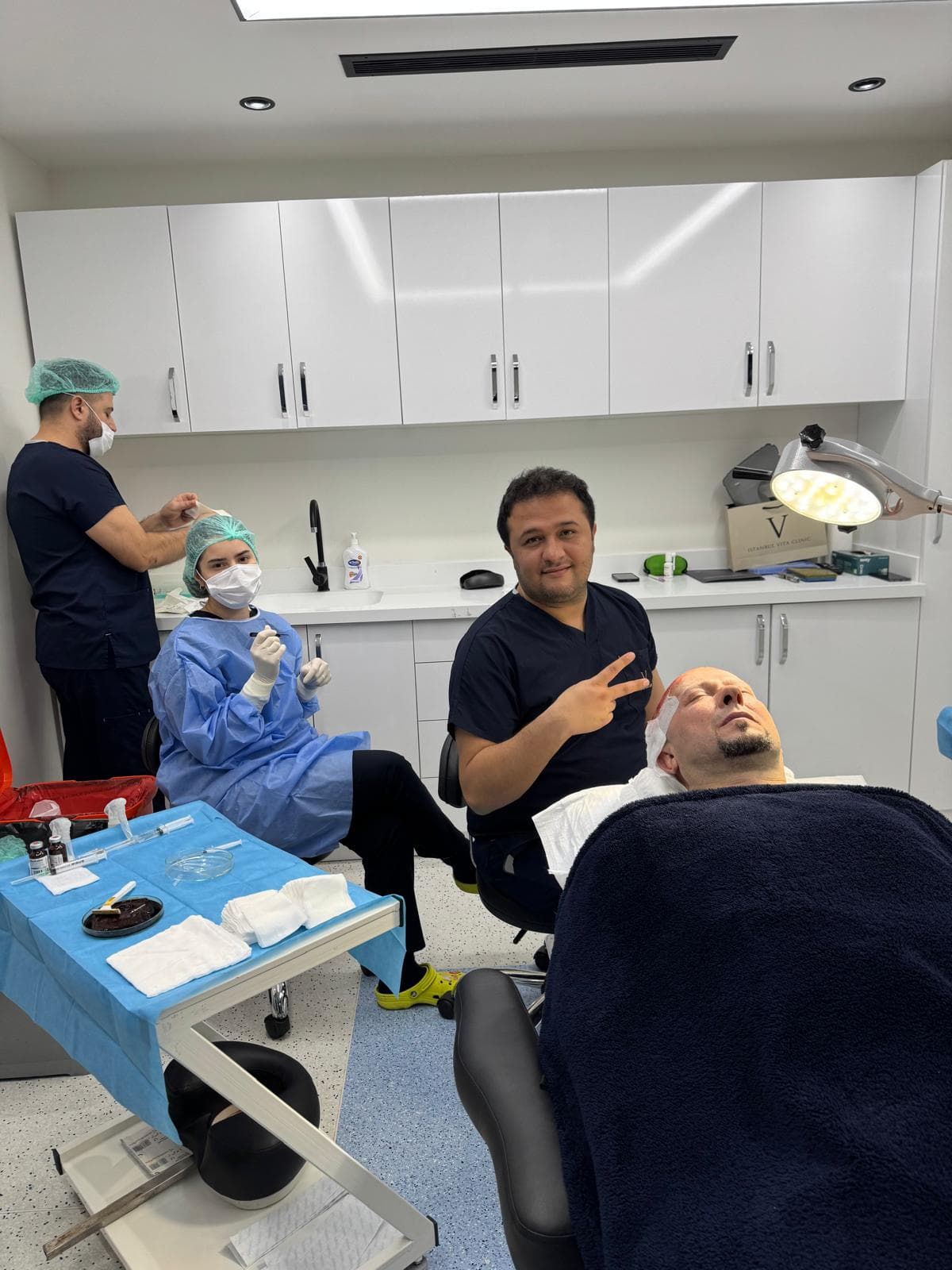
Meva Clinic Hair Restoration Care Team
DHI (Direkte Haarimplantation)
Option ohne Rasur verfügbar. Hochdichte Implantation mit dem speziellen Choi Pen für eine schnellere Heilung.
Meva Clinic Hair Restoration Care Team
Informationen zur Patientenbetreuung
Clinical Governance & Trichology Safety Standards
"DHI hair transplantation combines individual donor-graft harvesting through Follicular Unit Excision with implanter-assisted placement in the recipient area. At Meva Clinic, the placement workflow is integrated with donor assessment, individualized hairline design and graft-allocation priorities to support natural-looking coverage, donor-aware planning and long-term visual balance."
Diese Seite wurde im Rahmen des spezialisierten medizinischen Prüfungspfads der Meva-Klinik überprüft. Die endgültige Eignung für die Behandlung, die Zuweisung des operierenden Arztes, die chirurgische Planung und medizinische Entscheidungen werden erst nach Überprüfung der Krankengeschichte, persönlicher Konsultation, diagnostischen Tests, anästhesiologischer Bewertung und Verfügbarkeit des Arztes bestätigt.
Über dieses Verfahren
Warum Meva Clinic wählen?
Option ohne Rasur verfügbar. Hochdichte Implantation mit dem speziellen Choi Pen für eine schnellere Heilung.
Die Haarwiederherstellungsdisziplin in der Meva Klinik definiert die Ästhetik der natürlichen Haarlinie neu, indem sie hochwertige, schonende Mikrotransplantationsinnovationen einsetzt. Mit präzisen Saphirklingen für V-förmige Mikrorillen und erstklassigen DHI Choi-Pen-Implantationsmethoden stellt unser spezialisiertes klinisches Team den Erhalt der Transplantate durch sorgfältige Handhabung und Nachsorge sicher. Konzipiert zur Behandlung von fortgeschrittener Alopezie und Ausdünnung ohne Beeinträchtigung des Spenderbereichs, beinhalten alle Haartransplantationsinterventionen schonende Lokalanästhesie, computerunterstützte Follikeleinheitenkartierung, ein Premium-Medizin-Nachsorgekit und ein langfristige Nachsorgeunterstützung.
Informationen zur Patientenbetreuung
Betreuungsteam für Haartransplantation von Meva Clinic
Clinical Governance & Trichology Safety Standards
Standardized Hair Follicle Implantation & Trichology Guidelines
Diese Seite wurde im Rahmen des spezialisierten medizinischen Prüfungspfads der Meva-Klinik überprüft. Die endgültige Eignung für die Behandlung, die Zuweisung des operierenden Arztes, die chirurgische Planung und medizinische Entscheidungen werden erst nach Überprüfung der Krankengeschichte, persönlicher Konsultation, diagnostischen Tests, anästhesiologischer Bewertung und Verfügbarkeit des Arztes bestätigt.
Ist diese Behandlung für mich?
Haarausfall bei Frauen
Nicht-Rasur-Suchende
Spezifische Ausdünnungsbereiche
Umfassender Versorgungsplan für internationale Patienten
Privater Flughafentransfer gemäß bestätigtem Betreuungsplan
Unterbringung im Partnerhotel gemäß bestätigtem Plan
Engagierte Patientenbetreuung während des bestätigten Behandlungspfads
Umfassende Nachsorgehinweise und Materialien gemäß bestätigtem Behandlungsplan
Nachsorgeunterstützung gemäß individuellen medizinischen Empfehlungen
Das klinische Verfahren
Direkter Follikeltransfer ohne separate Kanalöffnung.
1. Donor Assessment and Individualized Hairline Planning
Assess hair-loss pattern, donor capacity, facial proportions, recipient coverage priorities and long-term appearance. Confirm the planned hairline and graft distribution before treatment.
2. Follicular Unit Excision
Harvest follicular units individually from a clinically appropriate donor area using suitable micro-punch instrumentation. Implanter pens are used later for graft placement, not donor harvesting.
3. Graft Preparation and Implanter Loading
Inspect and organize extracted follicular units according to the treatment plan. Load grafts carefully into the selected implanter system to maintain follicle viability.
4. Recipient-Site and Placement Planning
Confirm the intended angle, direction, spacing and distribution for the hairline and treated areas. The exact site-creation workflow depends on the clinical protocol.
5. Implanter-Assisted Graft Placement
Place grafts using implanter pens according to the individualized plan, supporting controlled depth, angle and distribution across the recipient zone.
6. Aftercare and Clinical Follow-Up
Provide the first-wash plan, early-care instructions and structured follow-up pathway, connected directly with Meva Clinic clinical care.
Genesungs- und Transformationsreise
Initial healing and gentle scalp washing demonstrated at the clinic; donor and recipient areas protected according to aftercare instructions.
Superficial crusts over recipient sites gradually soften and shed through gentle daily cleansing without force.
Transplanted hair shafts commonly shed as follicles enter a temporary resting phase before new growth begins.
Fine new hair shafts begin to emerge from the recipient scalp and progressively gain calibre over time.
Noticeable improvement in coverage and hair calibre develops across the treated areas.
Overall hair calibre, coverage and visual density are assessed through Meva Clinic's structured clinical follow-up as maturation continues.
Der Meva-Vorteil
Weniger Trauma der Kopfhaut und höhere Dichte.
Medizinische Leitlinien & Sicherheitsprotokolle
Treatment pathways are coordinated with selected specialist medical partners and accredited provider institutions, depending on the procedure and doctor assessment. Nachfolgend finden Sie die klinischen Richtlinien, Sicherheitsprotokolle und medizinischen Referenzdokumente für diesen Eingriff.
Indikationen & Geeignet für
- Candidates for DHI hair transplant in Turkey with a stable hair loss pattern and realistic expectations of density.
- Patients with an adequate donor area (occipital and temporal regions) verified during our detailed donor area assessment.
- International hair transplant patients comparing DHI hair transplant in Istanbul with other advanced micro-grafting techniques.
- Adults who require a direct hair implantation approach for natural hairline planning or target area density enhancement.
- Individuals who are medically suitable for local anesthesia and committed to post-operative care and hair transplant travel planning.
Kontraindikationen & Nicht geeignet
- Diffuse Unpatterned Alopecia (DUPA) or unstable donor areas where healthy follicles are insufficient for graft extraction.
- Active scalp disorders such as untreated psoriasis, severe seborrheic dermatitis, or lichen planopilaris.
- Severe, uncontrolled metabolic conditions, active coagulation disorders, or medical instability under local anesthesia.
- Extremely weak donor area where graft extraction would cause donor area thinning or overharvesting.
- Heavy smoking or history of non-compliance with post-operative hygiene, washing, or clinical guidance.
Präoperative Evaluation & Diagnostik
Pre-Arrival Photo & Document Review: Remote donor assessment and preliminary hair restoration planning for international patients.
Trichoscopic Scalp Evaluation: Microscopic mapping of follicular unit density, caliber, and graft extraction capacity.
Hairline Design Istanbul Consultation: Collaborative hairline planning taking into account facial symmetry and age-appropriate design.
Standard Laboratory Profile: Coagulation tests (PT/INR), blood counts, and infectious disease screenings.
Medical Clearance Check: In-person evaluation of scalp condition, cardiovascular readiness, and anesthesia suitability.
Mögliche Risiken & Komplikationen
In compliance with transparent clinical reporting, Meva Clinic ensures patients are fully informed of the physiological risks associated with surgical procedures through accredited partner-hospital safety protocols where clinically appropriate.
Normal shedding of native or transplanted hair shafts post-procedure, resolving within 3-4 months.
Mild forehead or facial edema, managed with rest, head elevation, and cold compression.
Minor hair follicle irritation in recipient areas, treated with antiseptic solutions or topical antibiotics.
Potential overharvesting of the occipital region, mitigated by strict adherence to donor area limits.
Variation in graft retention caused by scalp circulation, compliance, or individual tissue response.
Minor irregularities requiring a secondary density enhancement session in selected cases.
Realistische Erwartungen & Ergebnisse
Based on Meva Clinic's internal clinical follow-up, graft growth has been observed to approach 99% in clinically suitable patients who follow the recommended aftercare pathway. The observation reflects the complete clinical pathway—including donor assessment, graft handling, placement and aftercare—rather than an outcome guaranteed by the implanter technique alone.
Revisions- & Nachsorge-Richtlinie
Meva Clinic Lifetime Graft Growth Assurance: Meva Clinic evaluates graft growth after the full maturation period (12–18 months). If clinically meaningful insufficient growth is confirmed, an eligible patient may receive a complimentary corrective procedure, subject to donor availability, clinical suitability, safety and adherence to the recommended aftercare pathway. Travel, accommodation and personal expenses are not included unless separately confirmed in writing.
Maßgebliche medizinische Referenzen & Studien
- [1]International Society of Hair Restoration Surgery (ISHRS): Core Curriculum Guidelines on Follicular Unit Extraction and Implanter Pen Usage.Quelle ansehen
- [2]Journal of Cutaneous and Aesthetic Surgery: 'Direct Hair Transplantation: A Modified Follicular Unit Extraction Technique' (2013).Studie ansehen
- [3]American Academy of Dermatology (AAD): Clinical Guidelines on the Diagnosis and Management of Androgenetic Alopecia.Quelle ansehen
Medizinischer Haftungsausschluss: The hair restoration information on this page is for educational purposes only. Final suitability, hairline design, and graft estimates are determined exclusively after face-to-face donor area assessment and medical evaluation.
Häufig gestellte Fragen
Verwandte Behandlungen
Meva Mixed Technik (Saphir + DHI)
Eine hybride Haarwiederherstellungstechnik, die Sapphire FUE für die Haarlinie und DHI für die Dichteplanung kombiniert.
Sapphire FUE Haartransplantation
Erstellung von Empfängerkanälen mit saphirbestückten Klingen während FUE-Eingriffen.
DHI vs. FUE Haartransplantation
Klinische Gegenüberstellung der Implanter-gestützten DHI-Platzierung und von Platzierungsabläufen mit vorab angelegten Empfängerstellen nach einer FUE-Entnahme.
Haartransplantation Ohne Rasur
Eine Option zur Haarwiederherstellung für ausgewählte Patienten, die ihre sichtbare Haarlänge erhalten möchten. Die Wahl der Rasur hängt von der individuellen Beurteilung der Spenderdichte, des Ausfallmusters und des Graft-Bedarfs ab.
Medizinische Einblicke & Blog
Die Evolution von Sapphire FUE: Chirurgische Grundlagen, Spenderschutz und Ergebnisse
Medizinischer Überblick über Saphirklingen bei der FUE-Haartransplantation, das Spenderzonenmanagement und die Abgrenzung zur DHI-Methode.
Heilungsverlauf nach der Haartransplantation: Biologische Phasen, Schockausfall und Pflege
Medizinischer Leitfaden zu Kopfhautpflege, Krustenlösung, physiologischem Schockausfall und Haarmaturation nach AAD- und ISHRS-Standards.
DHI vs. Sapphire FUE: Klinische Unterschiede, Implantationsmechanik und Verfahrenswahl
Objektiver medizinischer Vergleich der FUE-Entnahme in Kombination mit Choi-Implantern (DHI) oder Saphir-Mikroklingen (Sapphire FUE).
Verfahrensdetails
Krankenhausaufenthalt
Keiner
Hotelpaket
3 Nächte
Zurück zur Arbeit
3 Tage
Anästhesie
Lokal
Klinische Ergebnisse
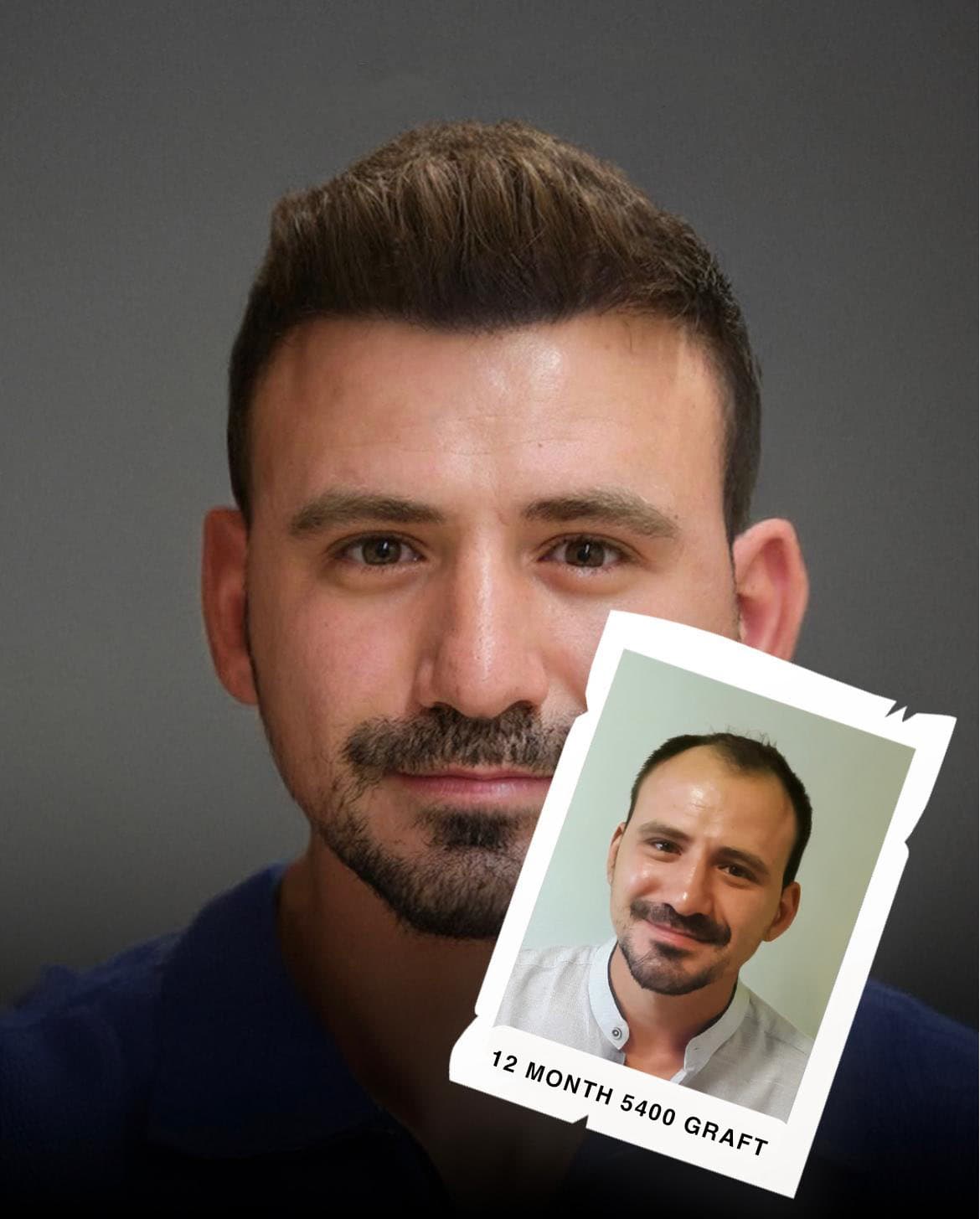
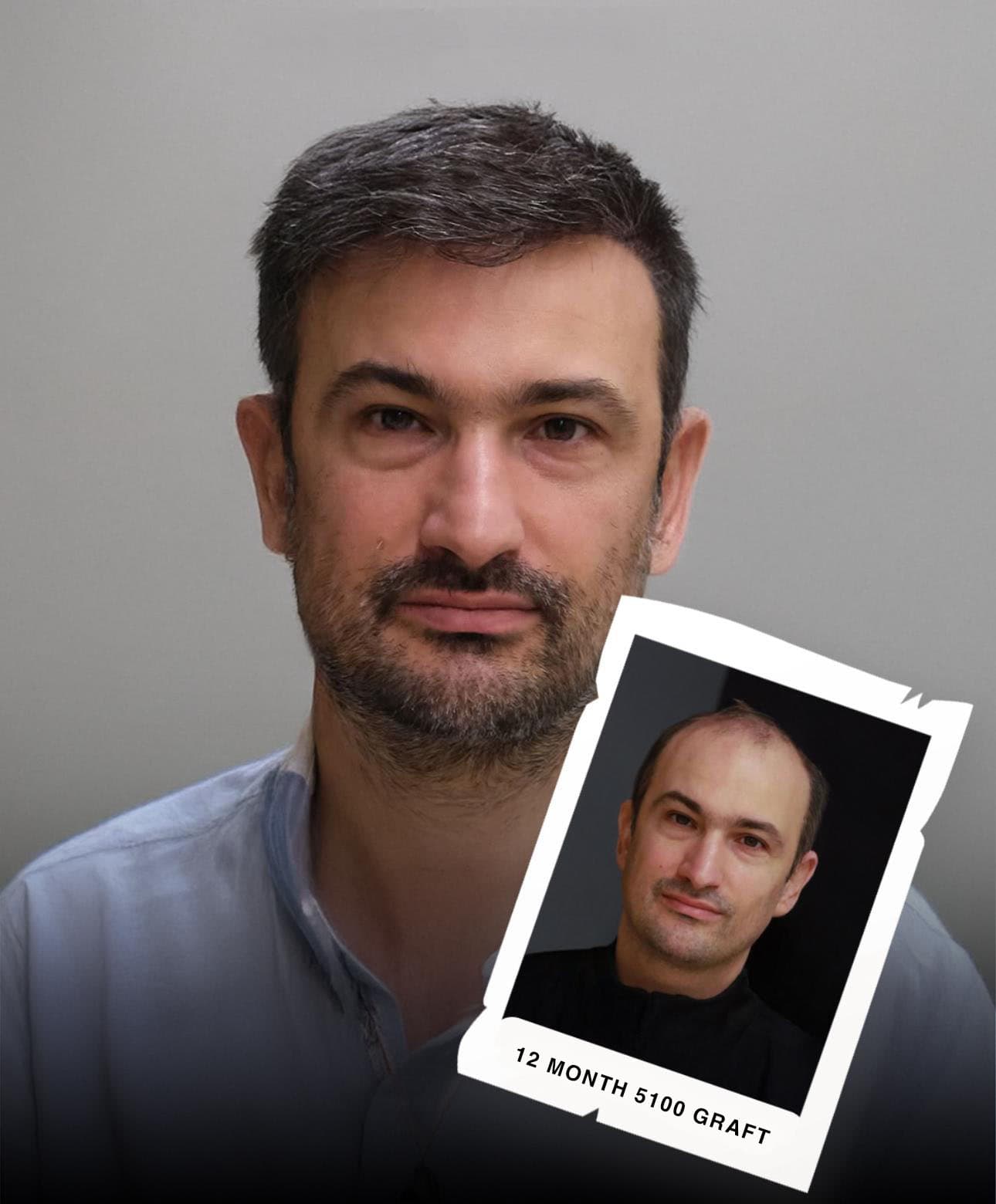
Echte Ergebnisse unserer Patienten. Erleben Sie die Transformationen unseres erfahrenen Ärzteteams.
.jpeg&w=3840&q=75)
.jpeg&w=3840&q=75)
.jpeg&w=3840&q=75)
.jpeg&w=3840&q=75)
.jpeg&w=3840&q=75)
.jpeg&w=3840&q=75)
.jpeg&w=3840&q=75)
.jpeg&w=3840&q=75)
.jpeg&w=3840&q=75)
.jpeg&w=3840&q=75)
.jpeg&w=3840&q=75)
.jpeg&w=3840&q=75)
.jpeg&w=3840&q=75)
.jpeg&w=3840&q=75)
.jpeg&w=3840&q=75)
.jpeg&w=3840&q=75)
.jpeg&w=3840&q=75)
.jpeg&w=3840&q=75)
.jpeg&w=3840&q=75)