Medical Review
Meva Clinic Hair Restoration Care Team
DHI (Direct Hair Implantation)
No-shave option available. High-density implantation using the specialized Choi Pen for faster healing.
Meva Clinic Hair Restoration Care Team
Patient Care Information
Clinical Governance & Trichology Safety Standards
"DHI hair transplantation combines individual donor-graft harvesting through Follicular Unit Excision with implanter-assisted placement in the recipient area. At Meva Clinic, the placement workflow is integrated with donor assessment, individualized hairline design and graft-allocation priorities to support natural-looking coverage, donor-aware planning and long-term visual balance."
This page has been reviewed under Meva Clinic’s specialist medical review pathway. Final treatment suitability, operating physician assignment, surgical planning, and medical decisions are confirmed only after medical history review, in-person consultation, diagnostic tests, anesthesia evaluation, and doctor availability.
About This Procedure
Why Choose Meva Clinic?
No-shave option available. High-density implantation using the specialized Choi Pen for faster healing.
The hair restoration discipline at Meva Clinic redefines natural hairline aesthetics using premium, low-trauma micro-grafting innovations. Our specialized clinical teams use DHI Choi implanter pens to create the recipient opening and place the graft in one controlled step, rather than relying on separate sapphire blade channel opening as in Sapphire FUE hair transplant planning. This direct hair implantation method allows for precise graft angle, depth, and direction control to support strong graft retention. Patients comparing implanter-assisted placement with sapphire channel creation can review the DHI vs FUE comparison. Direct implantation technology is also utilized for reconstructive procedures like an eyebrow transplant. Designed to address advanced hair loss and thinning after a comprehensive donor area assessment and graft planning, all hair transplant interventions feature a comfort-focused local anesthesia protocol, personalized hairline mapping, a premium medical aftercare kit, and structured follow-up support. Not sure which workflow may fit your case? A preliminary review can consider your hair-loss pattern, donor-area photographs, previous procedures and treatment goals before a personalized recommendation is discussed. Final suitability and graft planning are confirmed after medical assessment. Patients who have not yet selected a technique can review the complete Hair Restoration treatment guide.
Patient Care Information
Meva Clinic Hair Restoration Care Team
Clinical Governance & Trichology Safety Standards
Standardized Hair Follicle Implantation & Trichology Guidelines
This page has been reviewed under Meva Clinic’s specialist medical review pathway. Final treatment suitability, operating physician assignment, surgical planning, and medical decisions are confirmed only after medical history review, in-person consultation, diagnostic tests, anesthesia evaluation, and doctor availability.
Is This Treatment for Me?
Female hair loss
No-shave seekers
Specific thinning areas
Comprehensive International Patient Care Plan
Private airport transfer according to the confirmed care plan
Partner-hotel accommodation according to the confirmed care plan
Dedicated patient support during the confirmed care pathway
Aftercare guidance or materials according to the confirmed treatment plan
Follow-up guidance according to individual medical recommendations
The Clinical Procedure
Direct follicle transfer without separate channel opening.
1. Donor Assessment and Individualized Hairline Planning
Assess hair-loss pattern, donor capacity, facial proportions, recipient coverage priorities and long-term appearance. Confirm the planned hairline and graft distribution before treatment.
2. Follicular Unit Excision
Harvest follicular units individually from a clinically appropriate donor area using suitable micro-punch instrumentation. Implanter pens are used later for graft placement, not donor harvesting.
3. Graft Preparation and Implanter Loading
Inspect and organize extracted follicular units according to the treatment plan. Load grafts carefully into the selected implanter system to maintain follicle viability.
4. Recipient-Site and Placement Planning
Confirm the intended angle, direction, spacing and distribution for the hairline and treated areas. The exact site-creation workflow depends on the clinical protocol.
5. Implanter-Assisted Graft Placement
Place grafts using implanter pens according to the individualized plan, supporting controlled depth, angle and distribution across the recipient zone.
6. Aftercare and Clinical Follow-Up
Provide the first-wash plan, early-care instructions and structured follow-up pathway, connected directly with Meva Clinic clinical care.
Recovery & Transformation Journey
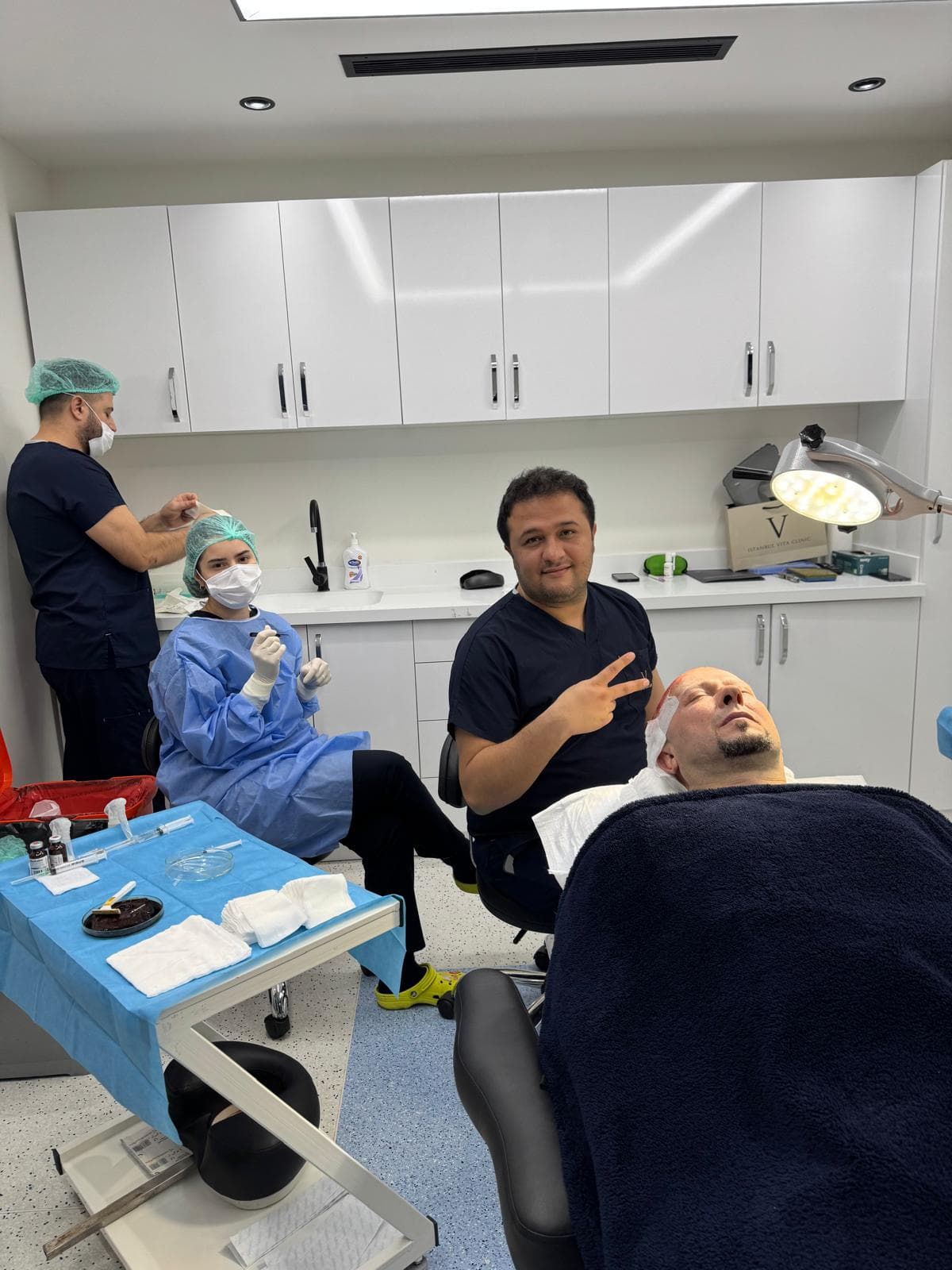
Initial healing and gentle scalp washing demonstrated at the clinic; donor and recipient areas protected according to aftercare instructions.
Superficial crusts over recipient sites gradually soften and shed through gentle daily cleansing without force.
Transplanted hair shafts commonly shed as follicles enter a temporary resting phase before new growth begins.
Fine new hair shafts begin to emerge from the recipient scalp and progressively gain calibre over time.
Noticeable improvement in coverage and hair calibre develops across the treated areas.
Overall hair calibre, coverage and visual density are assessed through Meva Clinic's structured clinical follow-up as maturation continues.
The Meva Advantage
Less trauma to the scalp and higher density.
Medical Guidelines & Safety Protocols
Treatment pathways are coordinated with selected specialist medical partners and accredited provider institutions, depending on the procedure and doctor assessment. Below are the clinical guidelines, safety protocols, and medical reference documentation for this procedure.
Indicated / Suitable For
- Candidates for DHI hair transplant in Turkey with a stable hair loss pattern and realistic expectations of density.
- Patients with an adequate donor area (occipital and temporal regions) verified during our detailed donor area assessment.
- International hair transplant patients comparing DHI hair transplant in Istanbul with other advanced micro-grafting techniques.
- Adults who require a direct hair implantation approach for natural hairline planning or target area density enhancement.
- Individuals who are medically suitable for local anesthesia and committed to post-operative care and hair transplant travel planning.
Contraindications / Not Suitable
- Diffuse Unpatterned Alopecia (DUPA) or unstable donor areas where healthy follicles are insufficient for graft extraction.
- Active scalp disorders such as untreated psoriasis, severe seborrheic dermatitis, or lichen planopilaris.
- Severe, uncontrolled metabolic conditions, active coagulation disorders, or medical instability under local anesthesia.
- Extremely weak donor area where graft extraction would cause donor area thinning or overharvesting.
- Heavy smoking or history of non-compliance with post-operative hygiene, washing, or clinical guidance.
Pre-Operative Evaluation & Diagnostic Checks
Pre-Arrival Photo & Document Review: Remote donor assessment and preliminary hair restoration planning for international patients.
Trichoscopic Scalp Evaluation: Microscopic mapping of follicular unit density, caliber, and graft extraction capacity.
Hairline Design Istanbul Consultation: Collaborative hairline planning taking into account facial symmetry and age-appropriate design.
Standard Laboratory Profile: Coagulation tests (PT/INR), blood counts, and infectious disease screenings.
Medical Clearance Check: In-person evaluation of scalp condition, cardiovascular readiness, and anesthesia suitability.
Potential Risks & Complications
In compliance with transparent clinical reporting, Meva Clinic ensures patients are fully informed of the physiological risks associated with surgical procedures through accredited partner-hospital safety protocols where clinically appropriate.
Normal shedding of native or transplanted hair shafts post-procedure, resolving within 3-4 months.
Mild forehead or facial edema, managed with rest, head elevation, and cold compression.
Minor hair follicle irritation in recipient areas, treated with antiseptic solutions or topical antibiotics.
Potential overharvesting of the occipital region, mitigated by strict adherence to donor area limits.
Variation in graft retention caused by scalp circulation, compliance, or individual tissue response.
Minor irregularities requiring a secondary density enhancement session in selected cases.
Realistic Expectations & Outcomes
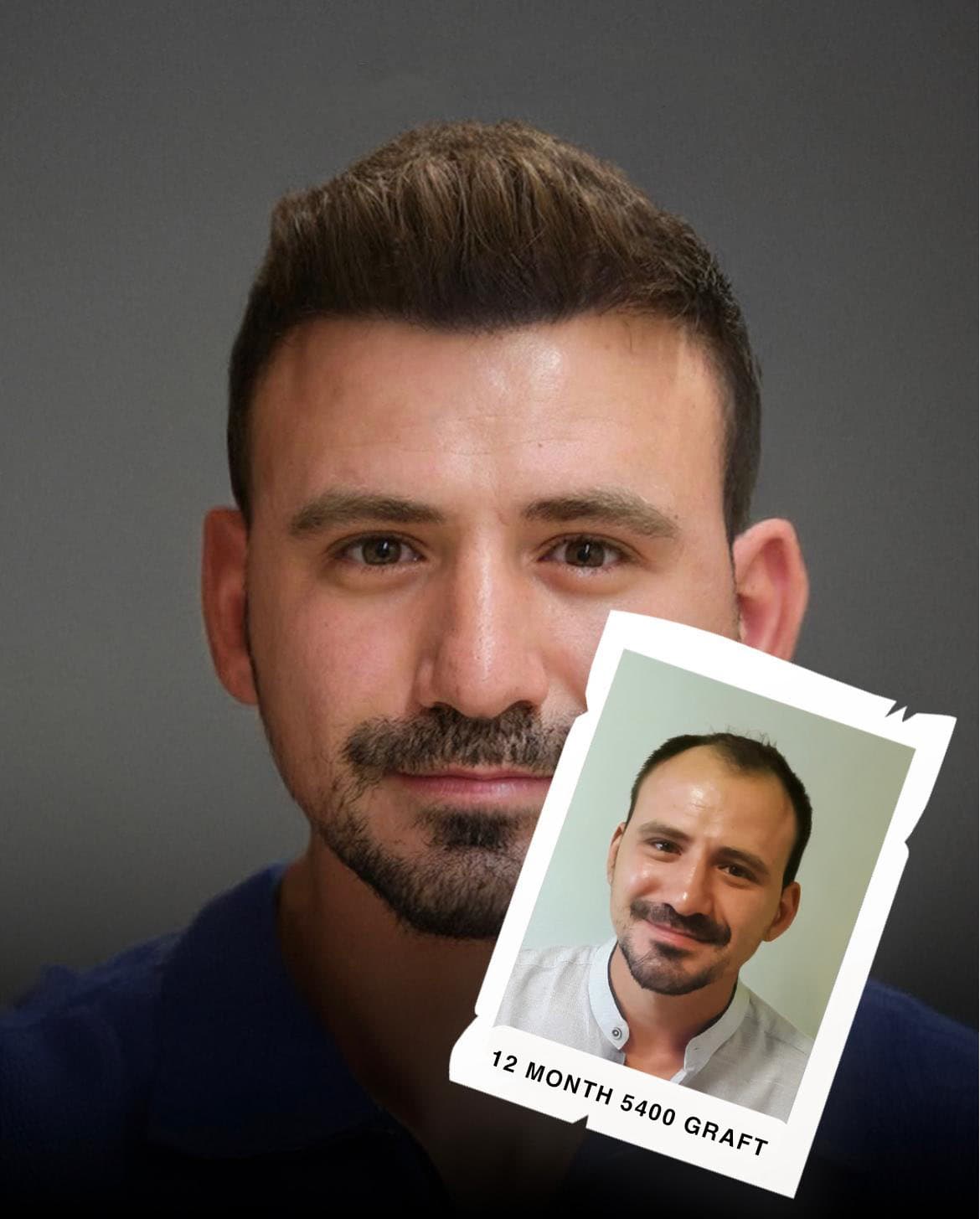
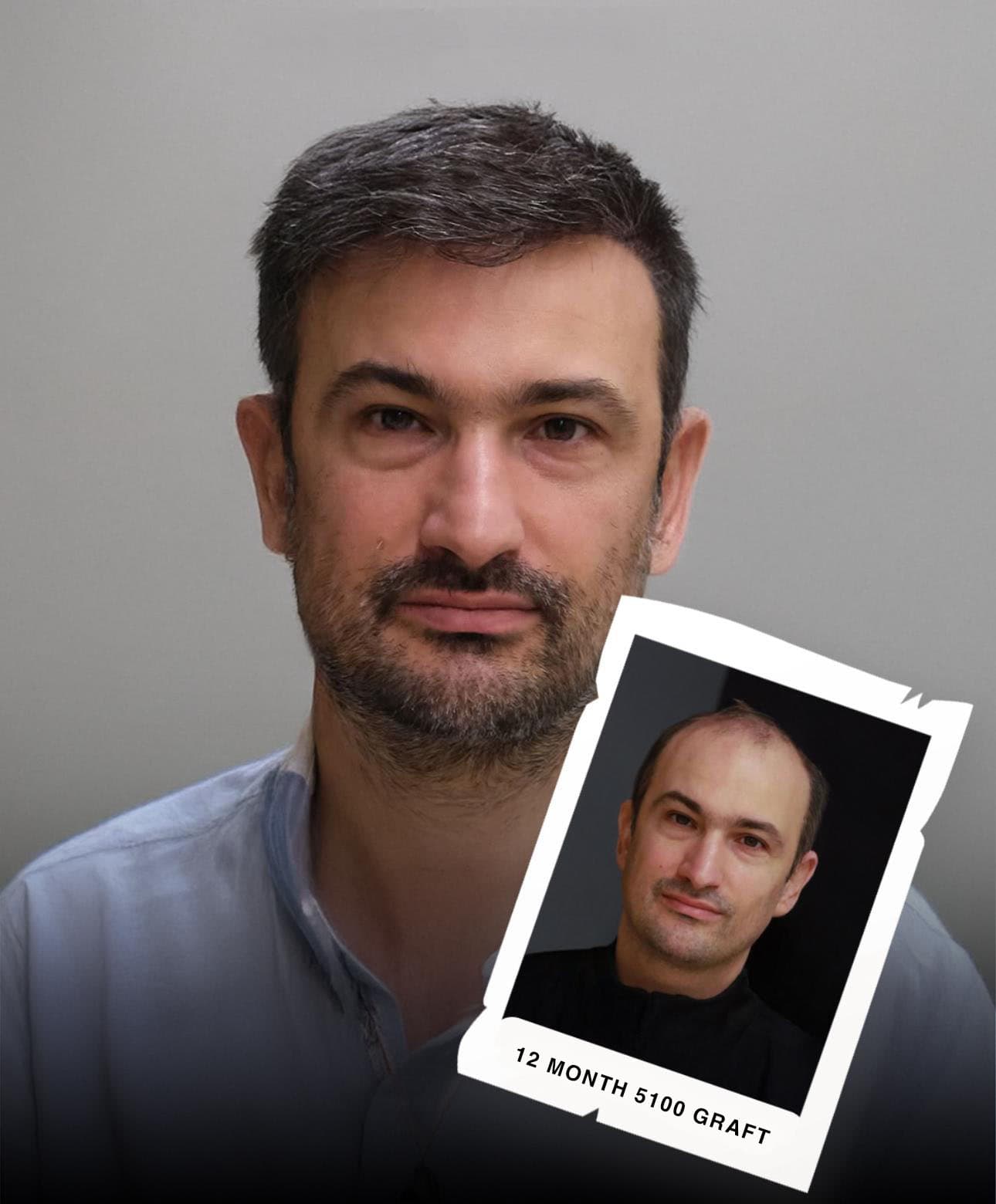
Based on Meva Clinic's internal clinical follow-up, graft growth has been observed to approach 99% in clinically suitable patients who follow the recommended aftercare pathway. The observation reflects the complete clinical pathway—including donor assessment, graft handling, placement and aftercare—rather than an outcome guaranteed by the implanter technique alone.
Revision & Follow-Up Policy
Meva Clinic Lifetime Graft Growth Assurance: Meva Clinic evaluates graft growth after the full maturation period (12–18 months). If clinically meaningful insufficient growth is confirmed, an eligible patient may receive a complimentary corrective procedure, subject to donor availability, clinical suitability, safety and adherence to the recommended aftercare pathway. Travel, accommodation and personal expenses are not included unless separately confirmed in writing.
Authoritative Medical References & Studies
- [1]International Society of Hair Restoration Surgery (ISHRS): Core Curriculum Guidelines on Follicular Unit Extraction and Implanter Pen Usage.View Source
- [2]Journal of Cutaneous and Aesthetic Surgery: 'Direct Hair Transplantation: A Modified Follicular Unit Extraction Technique' (2013).View Study
- [3]American Academy of Dermatology (AAD): Clinical Guidelines on the Diagnosis and Management of Androgenetic Alopecia.View Source
Medical Disclaimer: The hair restoration information on this page is for educational purposes only. Final suitability, hairline design, and graft estimates are determined exclusively after face-to-face donor area assessment and medical evaluation.
Frequently Asked Questions
Related Treatments
Meva Mixed Technique (Sapphire + DHI)
A hybrid hair restoration technique combining Sapphire FUE for hairline planning and DHI for density planning based on donor capacity.
Sapphire FUE Hair Transplant
Recipient-site channel creation using sapphire-tipped blades during Follicular Unit Excision (FUE) procedures in Istanbul, Turkey.
DHI vs FUE Hair Transplant
Compare DHI and Sapphire FUE by donor harvesting, graft-placement workflow, hairline planning, recovery and suitability. Meva Clinic selects the technique according to donor capacity, recipient-area needs and long-term treatment priorities.
Unshaven Hair Transplant
Compare full-unshaven, partial-shave and concealed donor-trim hair transplant options in Istanbul. Meva Clinic plans the shaving strategy and placement workflow according to donor access, native hair density and long-term treatment priorities.
Medical Insights & Blog
The Evolution of Sapphire FUE: Surgical Principles, Donor Safety & Aesthetic Outcomes
A medical review detailing how Sapphire gemstone blades shape recipient channels in FUE hair restoration, explaining donor management, healing biology, and procedural distinctions from DHI.
Hair Transplant Recovery Timeline: Healing Phases, Shock Loss & Long-Term Growth
An evidence-based guide detailing postoperative scalp care, crust softening, physiological shedding, and gradual hair shaft maturation according to AAD and ISHRS standards.
DHI vs Sapphire FUE: Clinical Differences, Implantation Mechanics & Technique Selection
An objective medical comparison examining how follicular unit extraction is combined with Choi implanter pens (DHI) or sapphire micro-blade recipient incisions (Sapphire FUE).
Procedure Details
Hospital Stay
None
Hotel Package
3 Nights
Return to Work
3 Days
Anaesthesia
Local
Clinical Outcomes
Real results from our patients. Witness the transformational outcomes achieved by our expert medical team.
.jpeg&w=3840&q=75)
.jpeg&w=3840&q=75)
.jpeg&w=3840&q=75)
.jpeg&w=3840&q=75)
.jpeg&w=3840&q=75)
.jpeg&w=3840&q=75)
.jpeg&w=3840&q=75)
.jpeg&w=3840&q=75)
.jpeg&w=3840&q=75)
.jpeg&w=3840&q=75)
.jpeg&w=3840&q=75)
.jpeg&w=3840&q=75)
.jpeg&w=3840&q=75)
.jpeg&w=3840&q=75)
.jpeg&w=3840&q=75)
.jpeg&w=3840&q=75)
.jpeg&w=3840&q=75)
.jpeg&w=3840&q=75)
.jpeg&w=3840&q=75)