


Clinical Lead
Meva Clinic Plastic Surgery Care Team
Arm & Thigh Lift (Brachioplasty)
Removes massive skin laxity after weight loss, restoring firm, athletic limbs.
Meva Clinic Plastic Surgery Care Team
Patient Care Information
Patient Care Information
"Our clinical approach prioritizes patient safety, individualized treatment planning, realistic expectations, and long-term follow-up throughout the international care journey."
About This Procedure
Why Choose Meva Clinic?
Removes massive skin laxity after weight loss, restoring firm, athletic limbs.
After major weight loss, the skin on the upper arms and inner thighs often cannot shrink back, leaving folds that exercise will not tighten. An arm or thigh lift in Istanbul removes that excess skin and tightens the remaining tissue in layers. Upper arms (brachioplasty) and inner thighs can be treated separately or together, depending on the amount of skin and your general health. The consultation also plans scar placement, kept on the inner side of the limb where it is less visible. Surgery is under general anaesthesia, with 1 hospital night and about 6 hotel nights. Light walking starts right away; desk work after about 14 days, the gym after 6 weeks. Considering weight loss first? Read about the gastric sleeve.
Patient Care Information
Meva Clinic Plastic Surgery Care Team
Aesthetic & Body Contouring Pathway Guidance
This content is maintained by Meva Clinic’s Clinical Care Team for patient guidance and clinical transparency. Final treatment suitability, operating physician assignment, surgical planning, and medical decisions are confirmed only after medical history review, in-person consultation, diagnostic tests, anesthesia evaluation, and doctor availability.
Is This Treatment for Me?
Post-bariatric skin
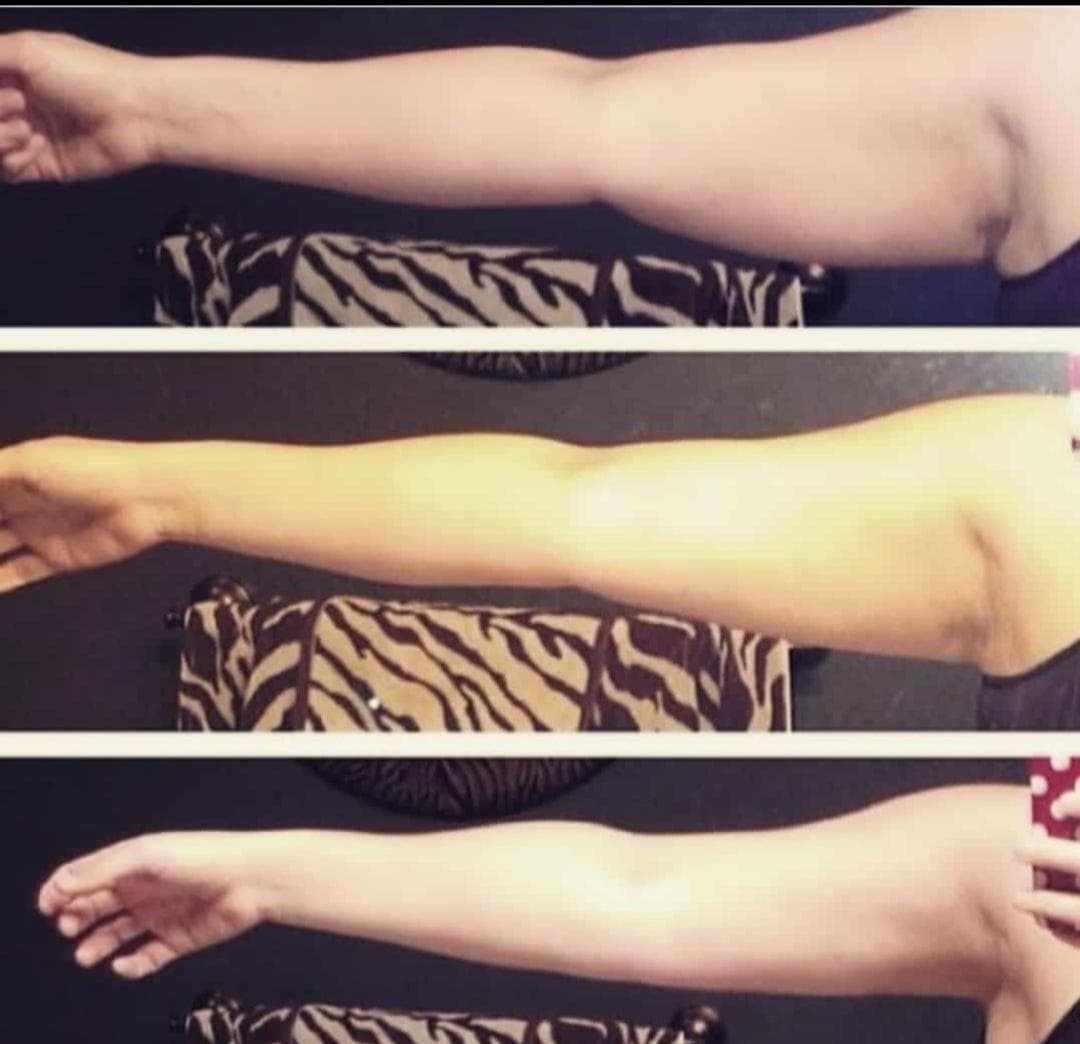
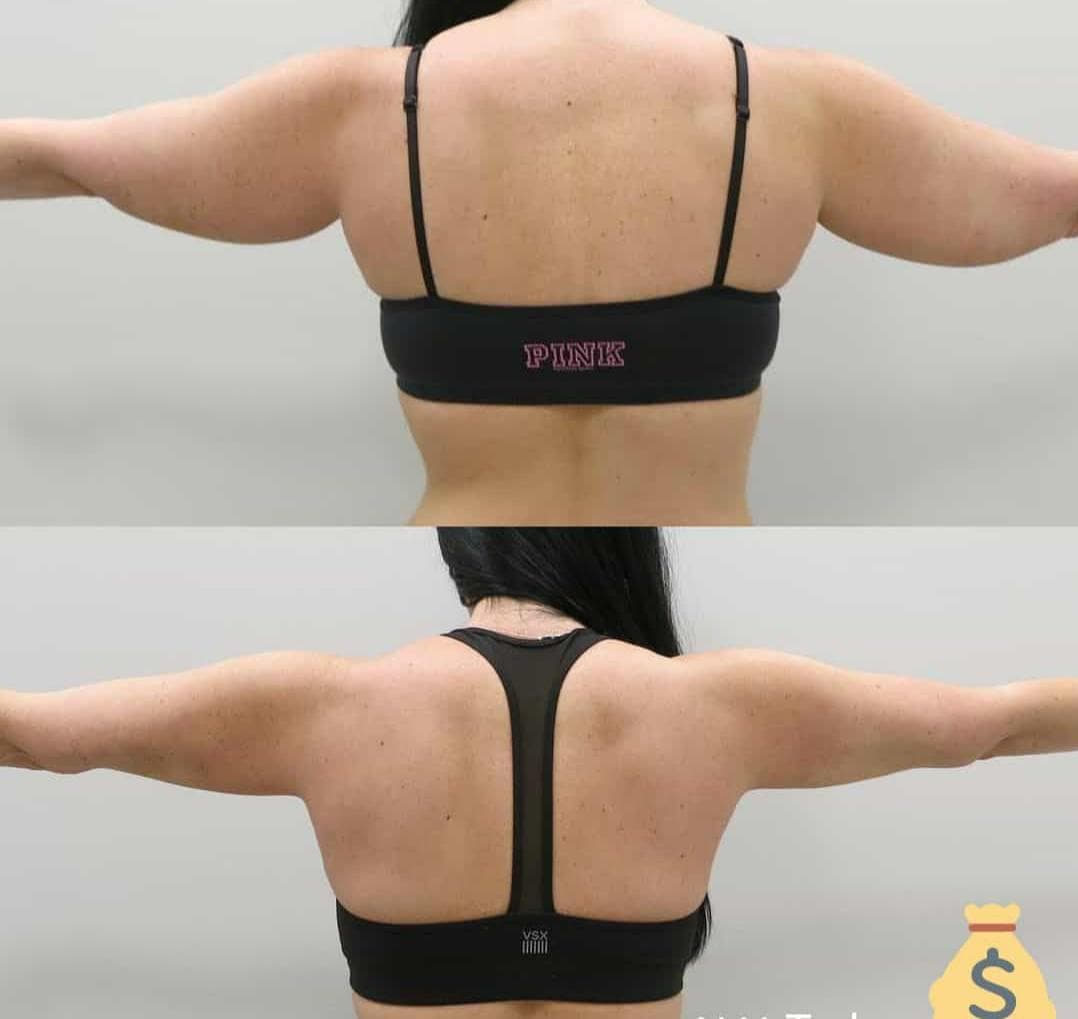
"Bat wing" arms
Inner thigh sagging
Comprehensive International Patient Care Plan
Private airport transfer according to the confirmed care plan
Bosphorus-view partner hotel, according to the confirmed care plan
24/7 nursing care during your hospital stay
Dedicated patient support during the confirmed care pathway
Aftercare guidance or materials according to the confirmed treatment plan
Follow-up guidance according to individual medical recommendations
The Clinical Procedure
Surgical excision and multi-layered skin tightening.
Standing Markings
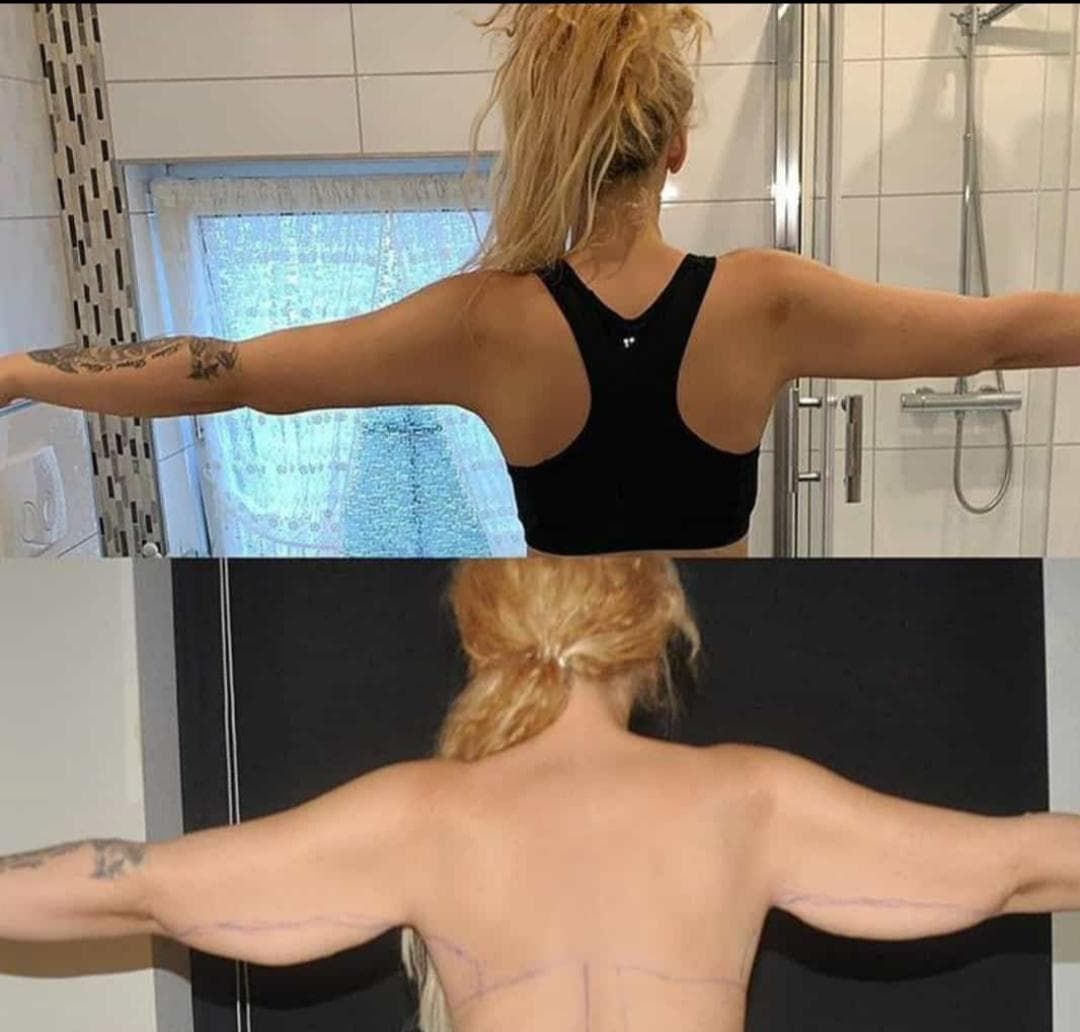
With you standing, the surgeon assesses the loose skin on the upper arms and/or inner thighs, marks how much can be removed and draws the scar line on the inner side of the limb.
Pre-op Tests and General Anaesthesia
After routine blood tests and an anaesthesia review, the operation is performed under general anaesthesia at the partner hospital.
Incision Along the Inner Limb
For the arms, the incision usually runs along the inner upper arm from the armpit towards the elbow; for the thighs, it starts in the groin crease and may continue down the inner thigh, depending on the excess.
Removal of Excess Skin and Fat
The loose skin and underlying fatty tissue are removed. If it is part of the plan, liposuction can refine the contour in the same session.
Layered Closure
The deeper tissue is anchored and the wound is closed in several layers to reduce tension on the scar; drains may be placed if the surgeon considers them necessary.
Compression Garment
Dressings and a compression garment are applied to limit swelling and support the tissue, followed by one night of observation in hospital.
Recovery & Transformation Journey
Phase 1: Days 0–1
One night at the partner hospital. You get up and walk on the same day or the next morning to support circulation. Tightness and swelling are expected and managed with pain relief.
Phase 2: Days 2–7
Hotel stay of about 6 nights with wound checks and dressing changes. Wear the compression garment, walk short distances, and avoid raising the arms above shoulder height or wide leg movements. Post-op check before flying home.
Phase 3: Weeks 2–6
Desk work is usually possible after around 14 days. Swelling reduces gradually and the garment is worn as instructed. No heavy lifting; the gym is typically allowed after about 6 weeks, once your surgeon confirms.
Phase 4: Months 3–12
The new contour settles. The scars are red at first and gradually flatten and fade over 6–12 months; scar care is guided through remote follow-up.
The Meva Advantage
Expertise in hidden-scar placement on the inner limbs.
Medical Guidelines & Safety Protocols
Hospital-based procedures are coordinated through accredited partner hospitals, including JCI-accredited institutions where clinically appropriate. Below are the clinical guidelines, safety protocols, and medical reference documentation for this procedure.
Indicated / Suitable For
- Adults whose weight has been stable for several months, including patients around 12–18 months after bariatric surgery
- People with loose, hanging skin on the upper arms (“bat wing” arms) or inner thighs that diet and exercise no longer improve
- Patients in good general health with a good nutritional status (protein, iron and vitamin levels in range)
- Non-smokers, or smokers ready to give up all nicotine for several weeks before and after surgery
- Patients who accept a long scar on the inner arm or inner thigh in exchange for a firmer, smoother contour
Contraindications / Not Suitable
- Smoking or any nicotine use (cigarettes, vaping, patches) that cannot be paused for several weeks around surgery, because it raises the risk of wound breakdown
- Ongoing weight loss or a weight that is still changing, as further loss can bring the laxity back
- Uncorrected nutritional deficiencies or anaemia after bariatric surgery
- Pre-existing lymphoedema, significant venous disease or a history of deep vein thrombosis that has not been assessed by a specialist
- Uncontrolled diabetes, heart or lung disease, or current pregnancy or breastfeeding
Pre-Operative Evaluation & Diagnostic Checks
Standing Examination and Markings: Pinch test of the skin excess on the arms and/or thighs, assessment of skin quality and planning of the scar line on the inner limb.
Blood Tests Adapted to Weight Loss: Complete blood count, coagulation, blood sugar, kidney and liver values, plus protein (albumin), iron and vitamin status after bariatric surgery.
Thrombosis Risk Assessment: Review of personal and family history of blood clots, hormone use and mobility to plan compression and, where indicated, anticoagulant prophylaxis.
Limb Circulation and Lymphatic Check: Questions about limb swelling or varicose veins and, if the surgeon considers it necessary, a Doppler ultrasound.
Anaesthesia Consultation: In-hospital review of medical history, ECG and current medication to confirm fitness for general anaesthesia.
Potential Risks & Complications
In compliance with transparent clinical reporting, Meva Clinic ensures patients are fully informed of the physiological risks associated with surgical procedures through accredited partner-hospital safety protocols where clinically appropriate.
Fluid can collect under the skin in the first weeks, more often on the inner thigh; preserving the lymphatic tissue, layered closure, drains where needed and compression limit it, and a seroma is usually drained with a simple needle aspiration.
Small openings can appear, mainly near the armpit or the groin crease where tension and moisture are highest; tension-reducing closure, no nicotine and limited arm or leg movements in the first weeks lower the risk, and most heal with local dressings.
The long scar is red at first and can widen, thicken or, on the thigh, drift slightly downward; anchoring the deeper tissue and guided scar care help, and scars are judged only after 6–12 months.
Temporary numbness along the inner arm or forearm (medial cutaneous nerves) or on the inner thigh is common and usually improves over months; incision planning respects the known course of these nerves.
Swelling of the hand, forearm or lower leg can last several weeks and rarely persists as lymphoedema; elevation, compression and early walking support drainage.
Deep vein thrombosis, haematoma and wound infection are less common; walking on the day of surgery or the next morning, compression, risk-based prophylaxis and wound checks during the hotel stay help prevent them and detect them early.
Realistic Expectations & Outcomes
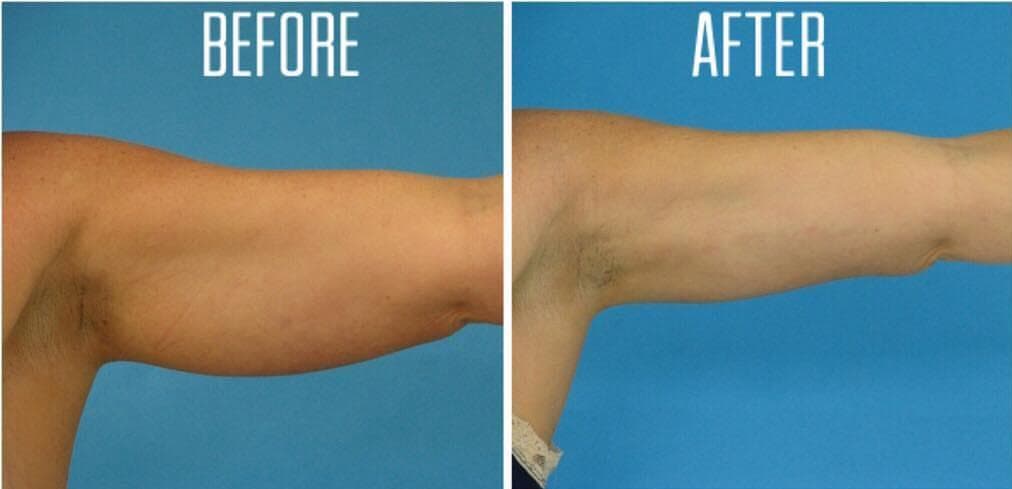
An arm or thigh lift removes skin that can no longer shrink back and tightens the remaining tissue, giving a firmer, smoother contour on the inner limb. It does not replace weight loss or build muscle, and it leaves a long scar that shows in some clothing and positions. Tightness and swelling are strongest in the first two weeks; most swelling settles over 6–12 weeks, while the tissue keeps softening and the scar keeps maturing for up to a year. Some loosening of the skin over time is normal, especially if your weight changes again. The final contour and scar are judged at around 12 months.
Revision & Follow-Up Policy
After you return home, remote follow-up reviews are arranged at around 1, 3, 6 and 12 months, using photos of the scar and contour, with earlier contact whenever needed. Scar or contour concerns are judged only once the tissue has softened and the scar has matured, usually 6–12 months after surgery. If a small scar revision or additional tightening is considered, the surgeon assesses it individually, based on medical findings and your healing. For 12 months after your treatment you can also send photos to the medical team whenever you wish and receive their feedback, and your questions are answered remotely.
Authoritative Medical References & Studies
- [1]Aljerian A, Abi-Rafeh J, Ramirez-GarciaLuna J, et al. Complications in Brachioplasty: A Systematic Review and Meta-Analysis. Plast Reconstr Surg. 2022;149(1):83-95.View Source
- [2]Sisti A, Cuomo R, Zerini I, et al. Complications Associated With Medial Thigh Lift: A Comprehensive Literature Review. J Cutan Aesthet Surg. 2015;8(4):191-197.View Source
- [3]Albanese R, Blessent CGF, Tomaselli F, et al. A Comprehensive Review of Medial Thighplasty: The Role of Liposuction in Reducing Complications and Optimizing Patient Outcomes. J Clin Med. 2025;14(7):2426.View Source
Medical Disclaimer: This information is educational and does not replace a medical consultation. How much skin can be removed, the length and position of the scar, and whether arms and thighs can be treated in one session depend on your weight history, skin quality and general health. Suitability for an arm or thigh lift is confirmed only after a personal assessment by a qualified plastic surgeon.
Frequently Asked Questions
Related Treatments
Piezo Ultrasonic Rhinoplasty
Advanced ultrasonic nasal reshaping using high-frequency micro-vibrations. Designed for selective bone remodeling with soft-tissue preservation to support comfortable healing; individual recovery varies.
Vaser Liposuction (High-Def)
Targeted fat removal with ultrasound. Sculpts athletic contours while tightening the skin.
Double Chin Liposuction
A precise, minimally invasive procedure that removes localized fat cells under the chin; with a stable weight, it can restore a more defined jawline and a younger-looking profile.
Breast Augmentation (Implants)
Premium Motiva & Mentor implants. Natural "Dual Plane" technique for a soft, authentic feel.
Medical Insights & Blog
Anesthesia Safety Protocols: Preoperative Assessment, Monitoring & Clinical Standards
A comprehensive clinical guide explaining anesthesia types (local, sedation, general), preoperative risk screening (ASA classification), and intraoperative vital monitoring.
Tummy Tuck vs Liposuction After Weight Loss: Skin Laxity, Muscle Diastasis, and Body Contouring
A medical guide evaluating when excess skin excision (abdominoplasty) or targeted fat reduction (VASER lipo) is clinically indicated after bariatric or natural weight loss.
Mentor vs Motiva Breast Implants: Shell Technology, Cohesivity, FDA Status, Warranties & Longevity
An objective medical comparison of leading silicone breast implant options (Mentor and Motiva), analyzing shell textures, cohesive gels, official FDA PMA P230005 regulatory status, manufacturer warranty programs, and clinical safety.
Procedure Details
Hospital Stay
1 Night
Hotel Package
6 Nights
Return to Work
14 Days
Anaesthesia
General
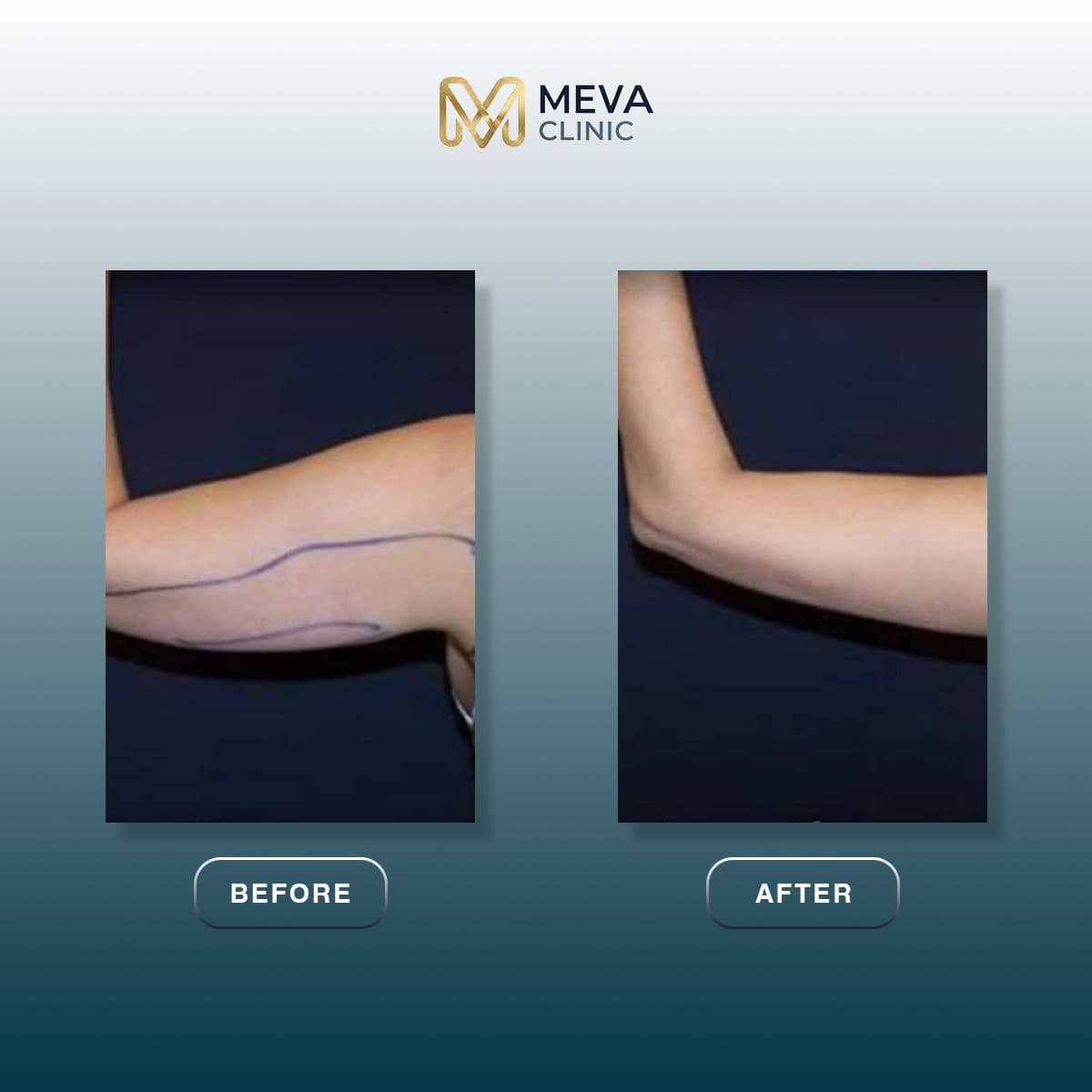
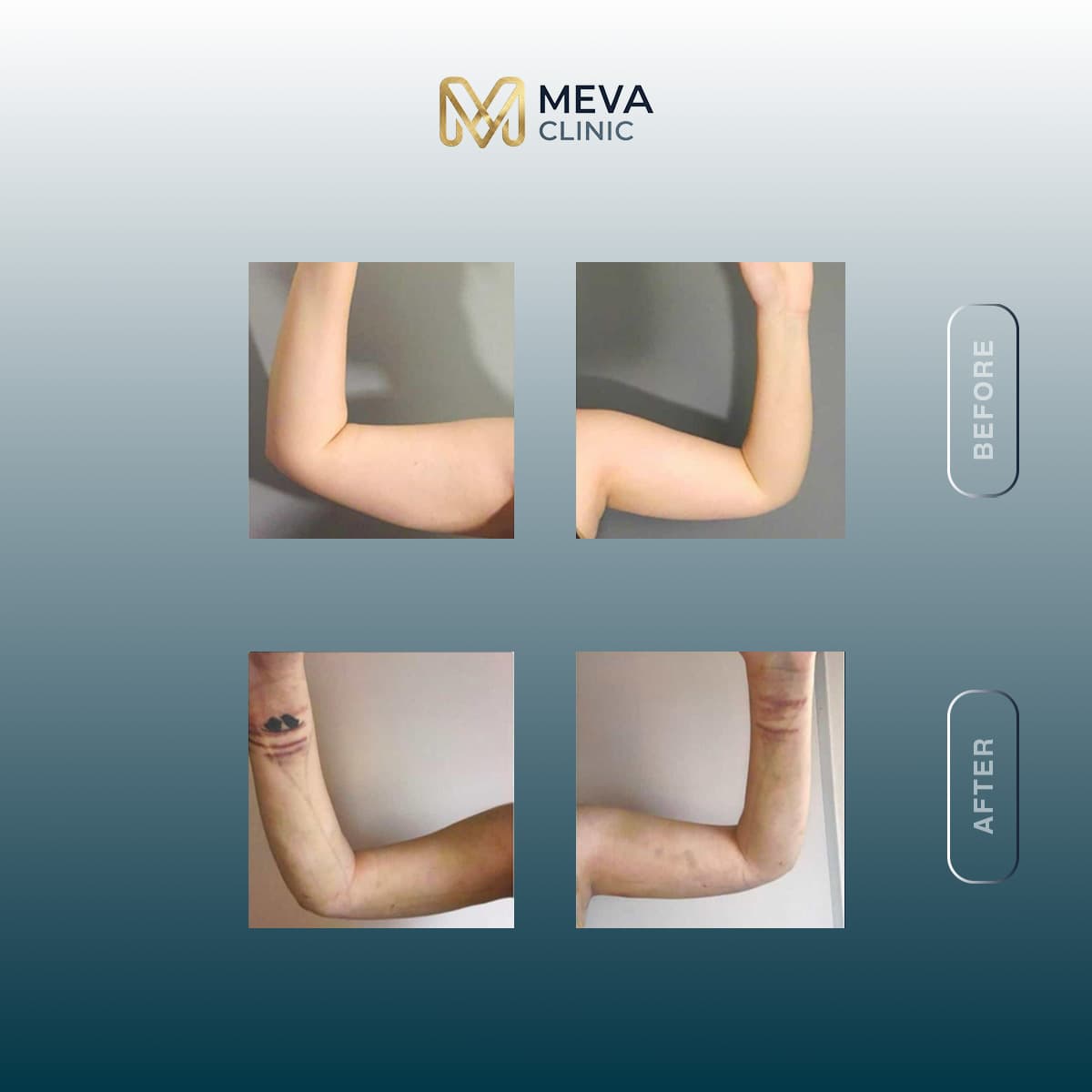
Clinical Outcomes
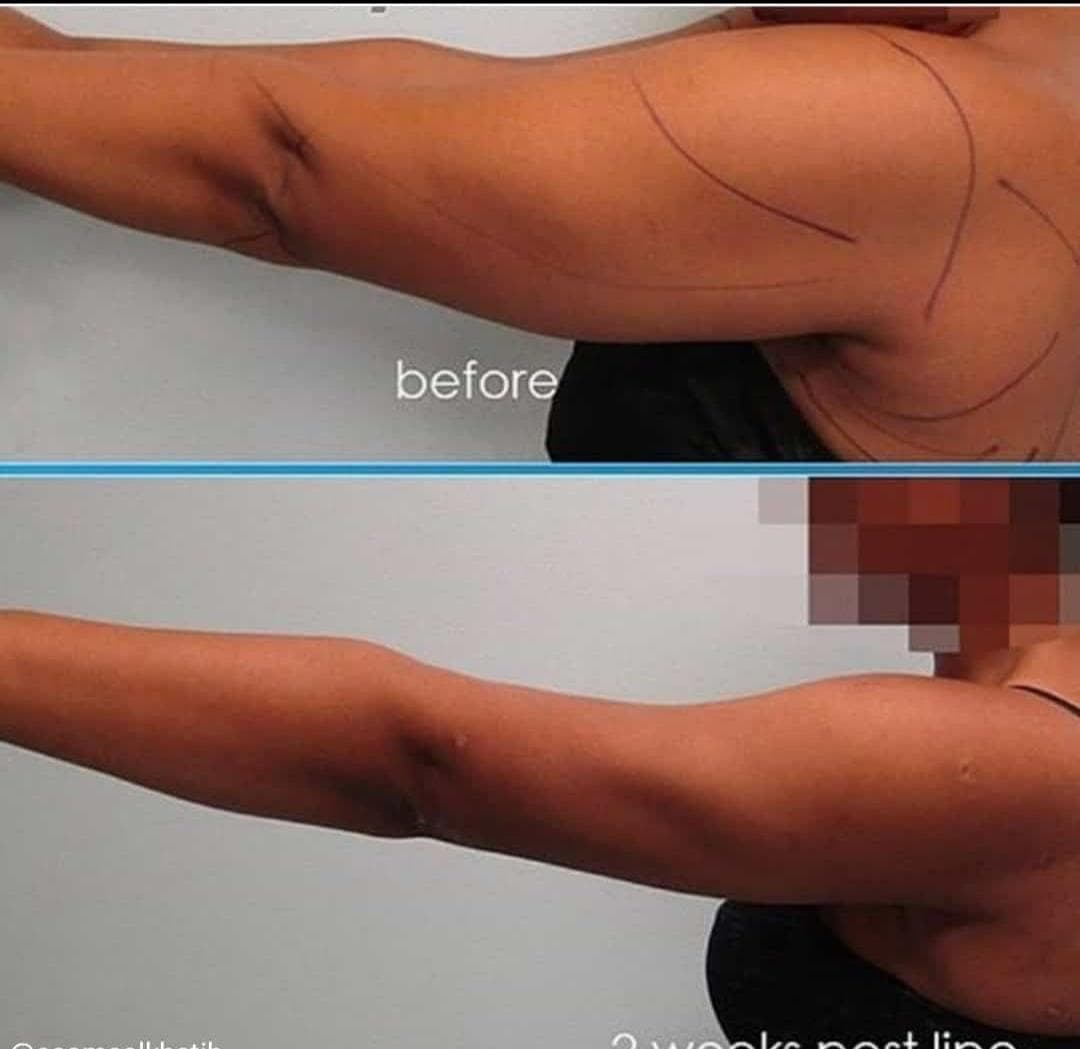
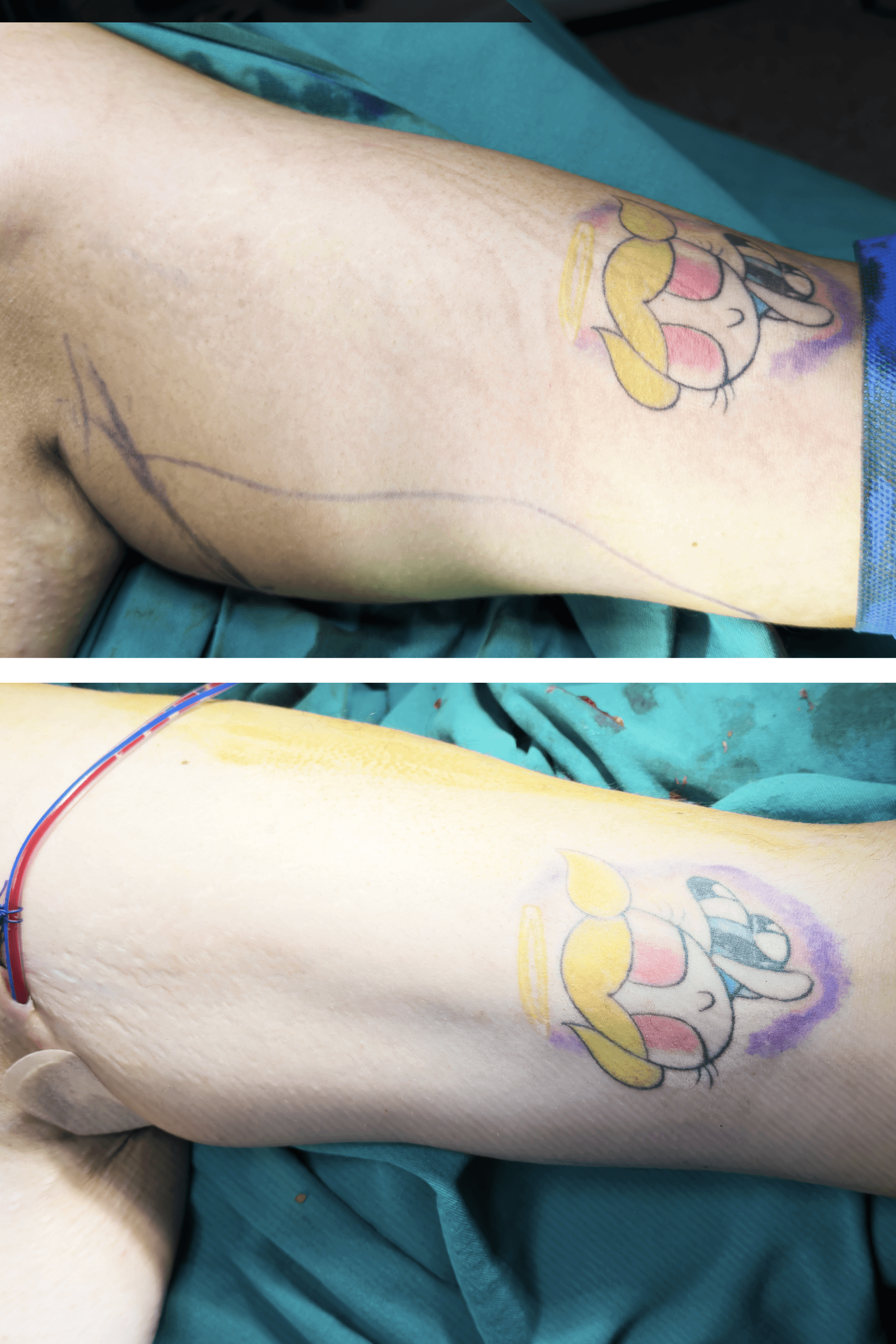
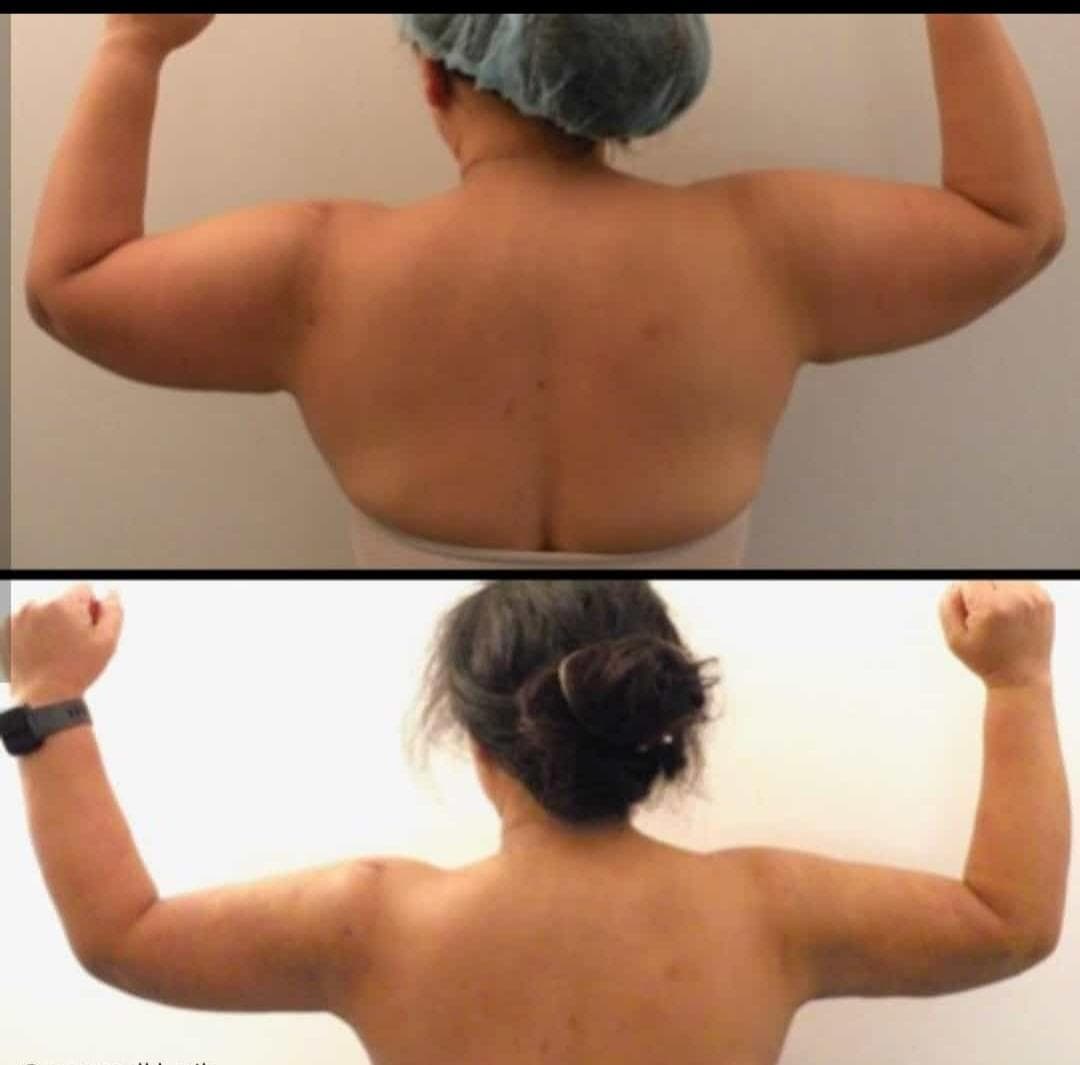
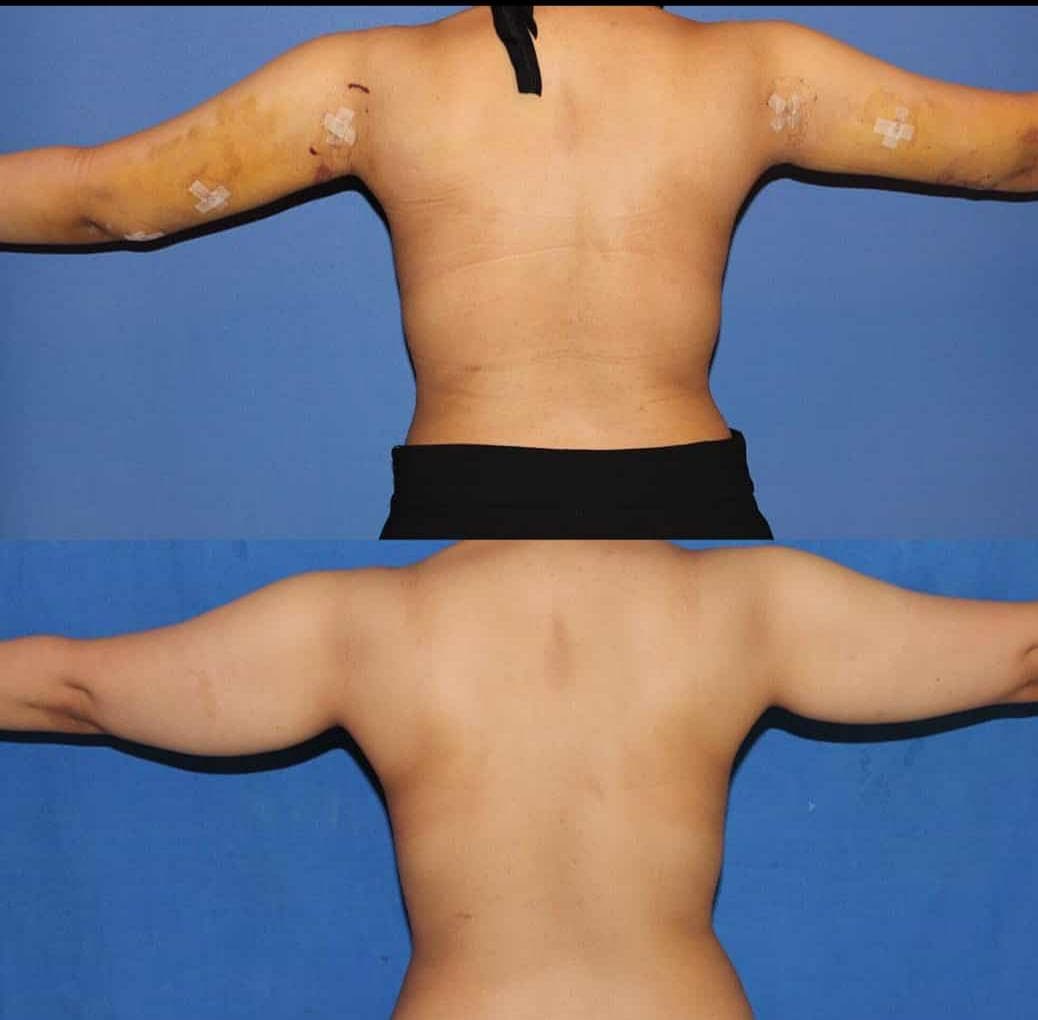
Real results from our patients. Witness the transformational outcomes achieved by our expert medical team.