

Medical Review
Meva Clinic Dental Care Team
Zirconium Veneers & Crowns
Zirconium dioxide restorations in Istanbul: 360° protection for damaged or root-canal-treated teeth, metal-free aesthetics with natural translucency, and a gum-friendly biological fit.
Meva Clinic Dental Care Team
Patient Care Information
Clinical Governance & Implantology Safety Standards
"Zirconium crowns are an outstanding solution when a tooth requires comprehensive protection or aesthetic restoration after damage or root canal therapy. Preserving as much natural tooth structure as possible is always our priority. Our clinical coordination team in Istanbul supports you through every step of your restorative journey."
This page has been reviewed under Meva Clinic’s specialist medical review pathway. Final treatment suitability, operating physician assignment, surgical planning, and medical decisions are confirmed only after medical history review, in-person consultation, diagnostic tests, anesthesia evaluation, and doctor availability.
About This Procedure
Why Choose Meva Clinic?
Zirconium dioxide restorations in Istanbul: 360° protection for damaged or root-canal-treated teeth, metal-free aesthetics with natural translucency, and a gum-friendly biological fit.
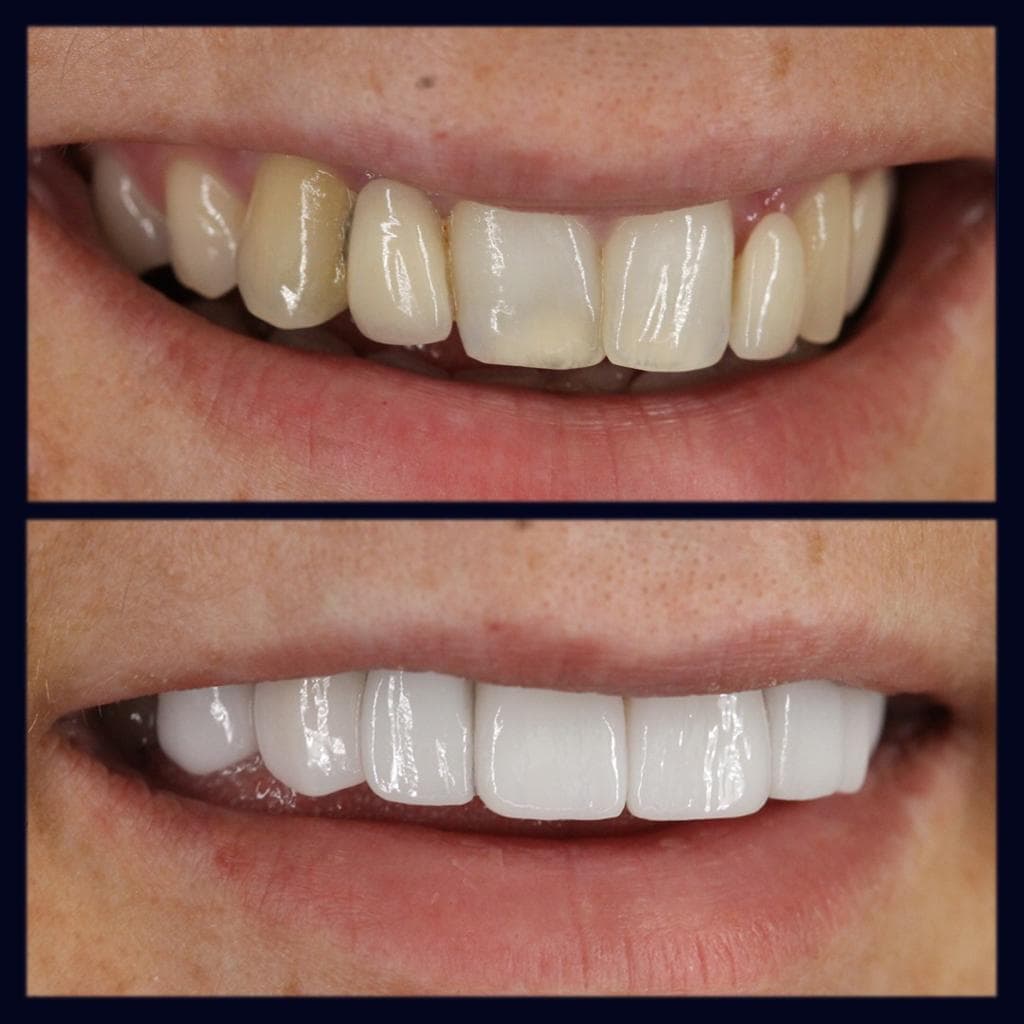
Metal-free zirconium crowns in Turkey are coordinated by Meva Clinic to restore damaged, worn, discoloured or heavily restored teeth for international patients who want durable dental care. The clinical crown planning pathway in Istanbul covers shade, shape, translucency and gum-line planning, and every case, from a single crown to a full-mouth plan, includes a detailed bite and occlusion assessment. Where teeth are missing, crowns can be combined with implant-supported restorations when clinically indicated. The clinical team guides you through tooth preparation under local anaesthesia, digital planning, CAD/CAM milling and final fitting. Healthy, intact teeth may be better served by more conservative options. Realistic expectations about adaptation are discussed, oral hygiene guidance is provided, and travel logistics, typically around seven to eight nights in Istanbul, follow the confirmed care plan.
Patient Care Information
Meva Clinic Dental Care Team
Clinical Governance & Implantology Safety Standards
Standardized Full-Arch Implant Rehabilitation & Smile Makeover Pathways
This page has been reviewed under Meva Clinic’s specialist medical review pathway. Final treatment suitability, operating physician assignment, surgical planning, and medical decisions are confirmed only after medical history review, in-person consultation, diagnostic tests, anesthesia evaluation, and doctor availability.
Is This Treatment for Me?
Fractured, cracked or structurally weakened teeth
Teeth with large old fillings or after root canal treatment
Definitive restorations on dental implants
Comprehensive International Patient Care Plan
Private Airport Transfer
Partner Hotel Accommodation
Dedicated Patient Support Throughout Treatment
Oral Hygiene Kit & Post-Procedure Instructions
Coordinated Follow-up Guidance
The Clinical Procedure
Controlled tooth preparation under local anaesthesia, precision impressions, fabrication of the zirconium dioxide crown and final cementation.
Clinical Examination & Planning
Detailed oral evaluation, imaging reviews, and personalized prosthetic design planning.
Targeted Tooth Preparation
Careful, conservative contouring of the tooth structure under local anesthesia to create space for the crown.
Precision Impression Taking
Capturing detailed physical or digital impressions of the prepared tooth and opposing bite.
Temporary Crown Placement
Fitting provisional crowns to protect the prepared tooth and maintain aesthetics while the permanent crown is fabricated.
Laboratory Custom Milling
High-precision fabrication of the biocompatible monolithic or layered zirconium crown.
Fitting & Final Cementation
Checking margins, occlusion, and aesthetics, followed by definitive bonding with specialized dental cement.
Recovery & Transformation Journey
First 24-48 Hours
Mild gum tenderness and temporary sensitivity around the treated tooth. Soft diet recommended.
Days 3-7 (Adaptation)
Gums settle around the crown margin. The new bite feels completely natural.
Weeks 2-4 (Full Integration)
Complete functional and sensory integration with regular chewing, speaking, and daily brushing.
Long-term Maintenance
Twice-daily brushing, daily flossing around crown margins, and bi-annual dental hygiene check-ups.
The Meva Advantage
Individual prosthetic planning, high mechanical strength without metal and a natural aesthetic blend with the gum tissue.
Medical Guidelines & Safety Protocols
Treatment pathways are coordinated with selected specialist medical partners and accredited provider institutions, depending on the procedure and doctor assessment. Below are the clinical guidelines, safety protocols, and medical reference documentation for this procedure.
Indicated / Suitable For
- Patients with severely broken, cracked, or structurally weakened teeth requiring 360-degree crown protection.
- Individuals with large, failing dental restorations or extensive decay where conservative fillings are insufficient.
- Patients who have undergone endodontic (root canal) treatment and require a reinforced crown to prevent tooth fracture.
- Dental patients seeking durable, metal-free aesthetic restorations for discolored or worn natural teeth.
- Patients needing custom crowns to fit securely over titanium dental implant abutments.
- Individuals with realistic expectations, healthy gums, and good oral hygiene compliance.
Contraindications / Not Suitable
- Completely healthy, intact teeth where non-invasive or conservative options (such as veneers or composite bonding) are clinically superior.
- Active, untreated periodontal (gum) disease or active periapical infections in the target teeth.
- Severe untreated bruxism (teeth grinding) without commitment to using a protective night guard.
- Insufficient remaining tooth structure above the gum line to provide mechanical retention for a crown.
- Severe malocclusion or skeletal discrepancies requiring orthodontic correction prior to prosthetic treatment.
- Poor oral hygiene and lack of compliance with routine dental check-ups.
Pre-Operative Evaluation & Diagnostic Checks
Comprehensive Dental & Periodontal Examination: Evaluating tooth vitality, structural integrity, and gum health.
Imaging Investigations: Intraoral radiographs or panoramic scans to assess roots, periapical bone, and nerve canals.
Occlusal & Bite Assessment: Analyzing masticatory pathways and jaw relationships to ensure balanced bite distribution.
Shade and Translucency Mapping: Selecting custom ceramic shades matching natural adjacent teeth for harmonious aesthetics.
Medical History Review: Checking general health, medications, and allergies to ensure safe clinical procedures.
Potential Risks & Complications
In compliance with transparent clinical reporting, Meva Clinic ensures patients are fully informed of the physiological risks associated with surgical procedures through accredited partner-hospital safety protocols where clinically appropriate.
Temporary sensitivity to temperature after preparation, usually resolving within a few weeks.
Preparation requires removing a thin outer layer of enamel, making the tooth permanently reliant on a crown.
Rarely, a previously vital tooth may develop pulp inflammation after preparation, requiring root canal therapy.
Mild temporary gum inflammation near the preparation margin, managed with good hygiene.
Minor bite interferences requiring fine-tuning polishing adjustments by the dentist.
Although zirconia is exceptionally durable, extreme trauma or heavy bruxism can cause micro-fractures over time.
Realistic Expectations & Outcomes
Zirconium dental crowns provide high mechanical strength, excellent biocompatibility, and a natural aesthetic finish for damaged or restored teeth. However, crowns do not have an unconditional lifetime guarantee. Long-term longevity depends on daily oral hygiene, periodontal health, balanced bite forces, and regular dental check-ups. Crowns cannot be reversed once a tooth is prepared, and conservative alternatives should always be considered for intact, healthy teeth.
Revision & Follow-Up Policy
If adjustments to the bite or margin contouring are needed after cementation, minor polishing is performed. In the event of secondary decay under margins or structural damage over years of service, replacement or revision is coordinated following diagnostic review and in-person clinical assessment. For 12 months after your treatment you can also send photos to the medical team whenever you wish and receive their feedback, and your questions are answered remotely.
Authoritative Medical References & Studies
- [1]Journal of Dentistry: 'Clinical performance and longevity of zirconia-based dental restorations: A systematic review and meta-analysis'.View Study
- [2]International Journal of Prosthodontics: 'Biocompatibility and soft tissue response to zirconia and ceramic dental crowns'.View Study
- [3]American Dental Association (ADA): Clinical Guidelines on Crown Restorations and Tooth Preservation.View Source
Medical Disclaimer: The clinical information on this page is for educational purposes only. Indication for crown placement, tooth preparation depth, and material selection are determined exclusively through an in-person dental examination and diagnostic imaging.
Frequently Asked Questions
Related Treatments
Premium Dental Implants
Straumann & Nobel Biocare systems. long-term restorative option with brand warranty terms depending on implant brand.
Hollywood Smile Design
Total smile makeover using E-Max or Zirconium veneers tailored to your facial proportions.
All-on-4 / All-on-6 Restoration
Full-arch reconstruction on 4 or 6 implants. An option for total tooth loss or teeth that can no longer be saved.
Medical Insights & Blog
Digital Smile Design & 3D Imaging: Clinical Applications in Aesthetic Dentistry
Meva Clinic Clinical Care Team
Zirconium Crowns vs Porcelain Veneers: Tooth Preparation, Strength, Esthetics & Candidacy
A comprehensive dental guide examining tooth preparation requirements, structural resistance, bruxism considerations, and longevity factors for zirconium crowns and porcelain veneers according to ADA standards.
All-on-4 Dental Implants: Full-Arch Rehabilitation, Tilted Implant Mechanics & Staged Restorations
An objective medical guide explaining full-arch fixed implant protocols, 3D CBCT bone evaluation, immediate provisional loading criteria, and final hybrid bridge fabrication according to FDA and clinical implant standards.
Procedure Details
Hospital Stay
None
Hotel Package
7–8 Nights
Return to Work
Next Day
Anaesthesia
Local
Clinical Outcomes
Real results from our patients. Witness the transformational outcomes achieved by our expert medical team.