

Medical Review
Meva Clinic Dental Care Team
Premium Dental Implants
Straumann & Nobel Biocare systems. long-term restorative option with brand warranty terms depending on implant brand.
Meva Clinic Dental Care Team
Patient Care Information
Clinical Governance & Implantology Safety Standards
"Dental implants are the gold standard for tooth replacement, but their survival relies on healthy bone and gums. Diligent oral hygiene and regular professional cleanings are essential to protect your investment. Our clinical coordination team is here to support you at every stage of your dental journey in Istanbul."
This page has been reviewed under Meva Clinic’s specialist medical review pathway. Final treatment suitability, operating physician assignment, surgical planning, and medical decisions are confirmed only after medical history review, in-person consultation, diagnostic tests, anesthesia evaluation, and doctor availability.
About This Procedure
Why Choose Meva Clinic?
Straumann & Nobel Biocare systems. long-term restorative option with brand warranty terms depending on implant brand.
Dental implant planning in Istanbul for international patients is coordinated through Meva Clinic's partner dental clinics in Turkey, where each case begins with a jawbone and gum assessment using CBCT 3D imaging. The implant-supported restoration pathway is structured around osseointegration: the biocompatible titanium post must integrate with the bone before the abutment and crown are placed. Depending on the clinical assessment, single crowns, implant bridges or a full-arch option such as All-on-4 dental implants may be planned. Where bone volume is limited, bone grafting or a sinus lift is coordinated when medically indicated. Every plan focuses on realistic functional expectations, durable implant-supported restorations and practical travel logistics, with four hotel nights in Istanbul for the surgical stage, according to the confirmed care plan.
Patient Care Information
Meva Clinic Dental Care Team
Clinical Governance & Implantology Safety Standards
Standardized Full-Arch Implant Rehabilitation & Smile Makeover Pathways
This page has been reviewed under Meva Clinic’s specialist medical review pathway. Final treatment suitability, operating physician assignment, surgical planning, and medical decisions are confirmed only after medical history review, in-person consultation, diagnostic tests, anesthesia evaluation, and doctor availability.
Is This Treatment for Me?
Missing teeth (one or several)
Difficulty chewing or unstable dentures
Wish to preserve jawbone volume
Comprehensive International Patient Care Plan
Private Airport Transfer
Partner Hotel Accommodation
Dedicated Patient Support Throughout Treatment
Post-Implant Care Kit & Oral Hygiene Instructions
Coordinated Follow-up Guidance
The Clinical Procedure
A minimally invasive surgical procedure in which a titanium implant is placed in the jawbone, followed by the osseointegration period and the fitting of an abutment with a durable zirconia or porcelain crown.
Clinical and 3D Imaging Assessment
A dental examination and CBCT 3D imaging show bone volume and gum health, and whether bone grafting or a sinus lift may be needed first.
Individual Prosthetic Planning
Implant position, angle and size are planned together with the future crown or bridge, so the restoration fits your bite.
Surgical Placement of the Implant
The titanium implant is placed in the jawbone under local anaesthesia; mild soreness or swelling in the following days is common.
Osseointegration Period
Over about 3–6 months, depending on bone quality and implant location, the bone bonds with the implant surface. You usually spend this phase at home.
Abutment Placement
A custom connector (abutment) is fixed to the implant to support the final crown.
Final Crown Fitting
The zirconia or ceramic crown is cemented or screwed in place, and your bite and smile line are checked.
Recovery & Transformation Journey
First 24-72 Hours
Manage mild swelling and sensitivity using cold compresses and prescribed analgesics. Consume soft foods and follow gentle mouth rinsing instructions.
First Week Check-up
Follow-up evaluation to inspect gum healing and suture integrity. Swelling subsides and normal gentle chewing resumes.
Weeks 2-6 (Soft Tissue)
Gums heal completely over the implant site. If applicable, temporary/provisional restorations are adjusted to prevent load on the implant.
Months 2-6 (Osseointegration)
Bone tissue fuses with the titanium implant post. Osseointegration timeline varies based on bone quality and any grafting done.
Final Restoration
Verification of implant stability, custom abutment attachment, and loading of the permanent zirconium or porcelain crowns.
The Meva Advantage
Individual prosthetic planning, aesthetic options with zirconia crowns and full coordination of your dental treatment journey in Istanbul.
Medical Guidelines & Safety Protocols
Treatment pathways are coordinated with selected specialist medical partners and accredited provider institutions, depending on the procedure and doctor assessment. Below are the clinical guidelines, safety protocols, and medical reference documentation for this procedure.
Indicated / Suitable For
- Patients missing a single tooth or multiple teeth due to trauma, decay, or age-related tooth loss.
- International patients planning full-mouth restoration or implant-supported restorations in Istanbul, Turkey.
- Patients with sufficient healthy jawbone volume, or those who have been evaluated as suitable for bone grafting or sinus lifts.
- Individuals seeking a stable, premium alternative to loose, uncomfortable dentures or traditional dental bridges.
- Patients with stable general health and realistic expectations regarding the biological stages of osseointegration.
Contraindications / Not Suitable
- Active, uncontrolled periodontal (gum) disease or untreated oral infections in the target implant zones.
- Uncontrolled systemic illnesses (such as uncontrolled diabetes, active autoimmune conditions) that compromise bone healing.
- Inadequate bone volume or thickness where pre-implant grafting or sinus elevation is clinically contraindicated.
- Heavy smoking or tobacco use, which significantly increases the risk of implant failure and impairs mucosal blood flow.
- Poor compliance with daily oral hygiene protocols and post-surgical maintenance schedules.
- Medical history including recent head/neck radiation or high-dose intravenous bisphosphonate therapy.
Pre-Operative Evaluation & Diagnostic Checks
3D CBCT Imaging: Cone Beam Computed Tomography scanning to assess bone height, density, and locate the inferior alveolar nerve and maxillary sinuses.
Occlusal Bite Assessment: Precise digital or physical bite mapping to plan correct alignment with the opposing teeth.
Bone and Gum Volume Review: Visual and physical evaluation of soft tissue thickness and underlying ridge structure.
Comprehensive Medical History: Detailed review of systemic conditions, bleeding tendencies, and current medications.
Potential Risks & Complications
In compliance with transparent clinical reporting, Meva Clinic ensures patients are fully informed of the physiological risks associated with surgical procedures through accredited partner-hospital safety protocols where clinically appropriate.
The implant post fails to fuse with the jawbone, requiring removal, healing, and eventual re-evaluation.
Post-surgical localized bacterial infection of the gum and bone, managed with cleanings and hygiene adjustments.
Injury to the lower jaw nerve causing temporary or persistent numbness in the lip, chin, or tongue.
Upper jaw implants perforating the sinus membrane, managed with sinus elevation or grafting procedures.
Standard surgical healing delays minimized by sterile protocols and patient compliance.
Realistic Expectations & Outcomes
Clinical studies show high long-term success rates for dental implants in Turkey when proper surgical protocols and patient hygiene are maintained. However, results depend on bone quality, systemic health, and smoking. Dental implants do not include an absolute lifetime claim, and same-day final restorations are not suitable for all patients. Osseointegration yields a highly stable, functional, and natural-looking tooth restoration that looks and feels like a natural tooth.
Revision & Follow-Up Policy
If an implant fails to integrate during the osseointegration period, a secondary clinical plan is developed. The implant is removed to allow bone healing, and re-implantation or alternative prosthetic designs are proposed after diagnostic review and physical evaluation by our dental specialists. For 12 months after your treatment you can also send photos to the medical team whenever you wish and receive their feedback, and your questions are answered remotely.
Authoritative Medical References & Studies
- [1]International Congress of Oral Implantologists (ICOI): Consensus Guidelines on Bone Grafting and Sinus Elevation Criteria.View Source
- [2]Clinical Oral Implants Research: 'Long-term survival and success rates of dental implants in patients with controlled systemic conditions' (2023).View Study
- [3]American Academy of Implant Dentistry (AAID): Clinical Guidelines and Treatment Standards for Dental Implant Restorations.View Source
Medical Disclaimer: The clinical information on this page is for educational purposes only. Individual bone volume and periodontal profiles vary. Final eligibility and treatment planning for dental implants are determined exclusively during an in-person clinical consultation with our dentists.
Frequently Asked Questions
Related Treatments
Zirconium Veneers & Crowns
Zirconium dioxide restorations in Istanbul: 360° protection for damaged or root-canal-treated teeth, metal-free aesthetics with natural translucency, and a gum-friendly biological fit.
Hollywood Smile Design
Total smile makeover using E-Max or Zirconium veneers tailored to your facial proportions.
All-on-4 / All-on-6 Restoration
Full-arch reconstruction on 4 or 6 implants. An option for total tooth loss or teeth that can no longer be saved.
Medical Insights & Blog
Digital Smile Design & 3D Imaging: Clinical Applications in Aesthetic Dentistry
Meva Clinic Clinical Care Team
Zirconium Crowns vs Porcelain Veneers: Tooth Preparation, Strength, Esthetics & Candidacy
A comprehensive dental guide examining tooth preparation requirements, structural resistance, bruxism considerations, and longevity factors for zirconium crowns and porcelain veneers according to ADA standards.
All-on-4 Dental Implants: Full-Arch Rehabilitation, Tilted Implant Mechanics & Staged Restorations
An objective medical guide explaining full-arch fixed implant protocols, 3D CBCT bone evaluation, immediate provisional loading criteria, and final hybrid bridge fabrication according to FDA and clinical implant standards.
Procedure Details
Hospital Stay
None
Hotel Package
1st visit: 4 nights · 2nd visit (after 3–6 months): 7–8 nights
Return to Work
Immediate
Anaesthesia
Local
Clinical Outcomes
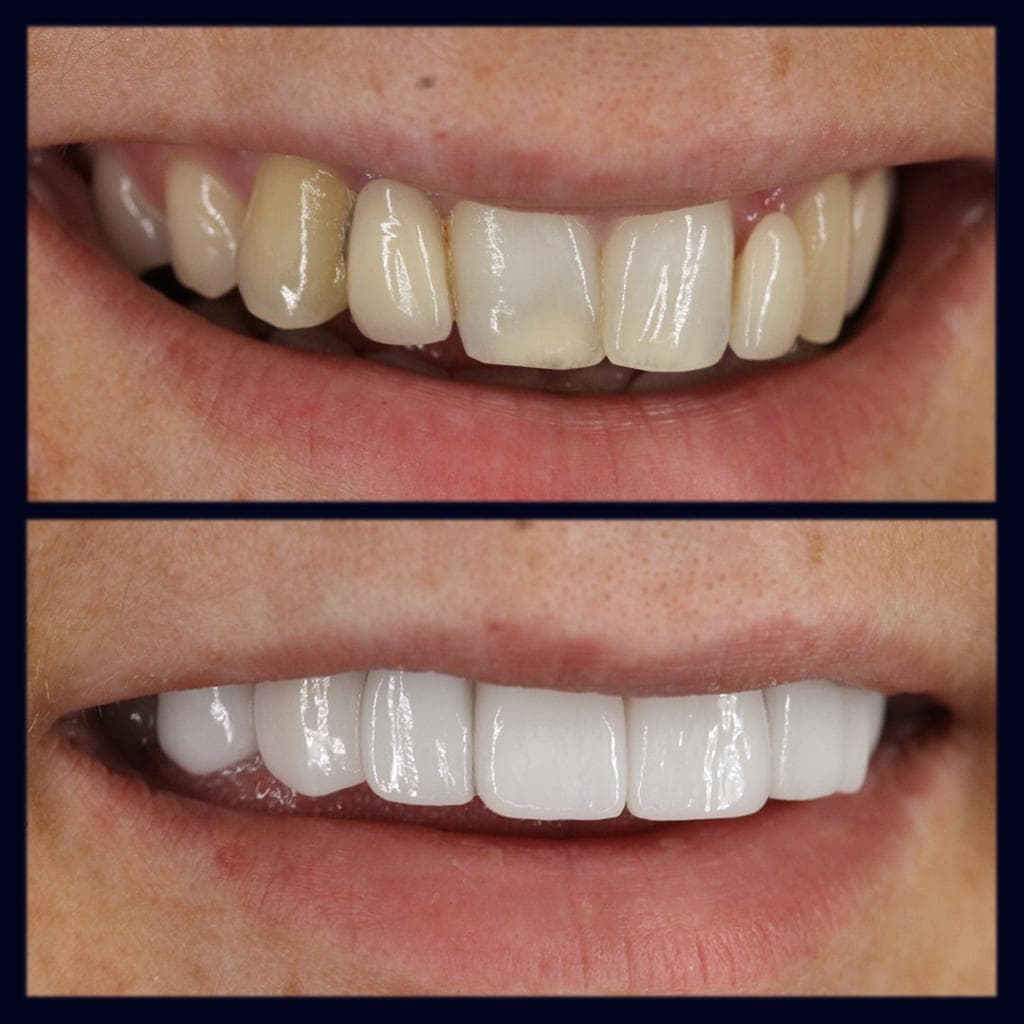
Real results from our patients. Witness the transformational outcomes achieved by our expert medical team.