Clinical Lead
Meva Clinic Plastic Surgery Care Team
Piezo Ultrasonic Rhinoplasty
Advanced ultrasonic nasal reshaping using high-frequency micro-vibrations. Designed for selective bone remodeling with soft-tissue preservation to support comfortable healing; individual recovery varies.
Meva Clinic Plastic Surgery Care Team
Patient Care Information
Patient Care Information
"Our clinical approach prioritizes patient safety, individualized treatment planning, realistic expectations, and long-term follow-up throughout the international care journey."
About This Procedure
Why Choose Meva Clinic?
Advanced ultrasonic nasal reshaping using high-frequency micro-vibrations. Designed for selective bone remodeling with soft-tissue preservation to support comfortable healing; individual recovery varies.
Piezo Ultrasonic Rhinoplasty at Meva Clinic represents a modern approach in aesthetic and functional nasal surgery. Traditional rhinoplasty utilizes manual mechanical osteotomes and rasps to cut and contour nasal bones, which can cause micro-fractures and variable soft-tissue response. In contrast, piezoelectric technology employs calibrated ultrasonic micro-vibrations designed to selectively reshape mineralized bone structures while helping to minimize trauma to adjacent mucosal linings and soft tissues. Performed in accredited partner hospital facilities by specialized plastic surgeons and ENT facial surgeons, this technique supports precise dorsal hump management, osteotomies, and structural alignment. Each international patient journey includes comprehensive pre-operative photographic assessment, individualized anesthesia selection, dedicated multi-language coordination, and structured post-operative follow-up to support safe recovery.
Patient Care Information
Meva Clinic Plastic Surgery Care Team
Aesthetic & Body Contouring Pathway Guidance
This content is maintained by Meva Clinic’s Clinical Care Team for patient guidance and clinical transparency. Final treatment suitability, operating physician assignment, surgical planning, and medical decisions are confirmed only after medical history review, in-person consultation, diagnostic tests, anesthesia evaluation, and doctor availability.
Is This Treatment for Me?
Prominent nasal dorsal hump requiring controlled reduction
Nasal asymmetry or structural crookedness of the nasal bones
Refinement of the nasal tip and definition of the nasal bridge
Functional airway concerns or breathing difficulties with septal deviation
Patients seeking precise ultrasonic bone sculpting with reduced soft-tissue trauma
Comprehensive International Patient Care Plan
Private airport transfer according to the confirmed care plan
Partner-hotel accommodation according to the confirmed care plan
Dedicated patient support during the confirmed care pathway
Aftercare guidance or materials according to the confirmed treatment plan
Follow-up guidance according to individual medical recommendations
The Clinical Procedure
Ultrasonic piezoelectric bone sculpting with micrometric precision.
Facial Assessment & Photographic Planning
Clinical evaluation of facial proportions, skin thickness, and nasal anatomy, with digital simulation where included in the confirmed care plan.
Pre-Operative Medical & Anesthesia Assessment
In-hospital clinical screening, blood chemistry panels, and anesthesiology consultation to select appropriate anesthesia and confirm surgical fitness.
Surgical Access (Open or Closed Approach)
Incision strategy selected by the surgical team according to individual anatomical features and required exposure of the osseocartilaginous framework.
Ultrasonic Piezoelectric Bone Sculpting
Selective high-frequency micro-vibrations reshape, smooth, and mobilize nasal bones with micrometric precision, designed to minimize soft-tissue trauma.
Cartilage Framework & Tip Refinement (Where Indicated)
Cartilage reshaping, septal realignment, or tip structural support performed when clinically indicated to balance aesthetics and airway function.
Closure, Splinting & Initial Aftercare (Where Indicated)
Layered cosmetic suturing, internal nasal support if septal work was performed, and application of a protective external splint where clinically indicated.
Recovery & Transformation Journey
Phase 1: Days 1-7 (Typical)
Hospital observation, initial stabilization, and protective external splint placement where indicated.
Phase 2: Days 7-14 (Typical)
Splint removal, post-operative clinical review by the surgeon, and gradual resumption of light daily activities.
Phase 3: Weeks 3-8
Major swelling progressively subsides; refined nasal contour and profile definition become increasingly visible.
Phase 4: Months 6-12
Full structural integration, subtle tip refinement, and final aesthetic and functional maturation; individual timelines vary.
The Meva Advantage
Ultrasonic micro-vibrations are designed to sculpt mineralized bone while helping to minimize trauma to adjacent soft tissues and mucosal membranes.
Medical Guidelines & Safety Protocols
Hospital-based procedures are coordinated through accredited partner hospitals, including JCI-accredited institutions where clinically appropriate. Below are the clinical guidelines, safety protocols, and medical reference documentation for this procedure.
Indicated / Suitable For
- Adult patients with completed facial and nasal bone growth (typically age 18 and older)
- Individuals with a prominent dorsal hump, wide nasal bridge, or post-traumatic bone irregularity
- Patients with nasal bone asymmetry or crooked nose requiring controlled osteotomies
- Individuals seeking aesthetic refinement combined with septoplasty for functional airway improvement
- Patients with realistic expectations regarding facial harmony, natural proportions, and healing timelines
Contraindications / Not Suitable
- Active nasal, sinus, or skin infections in the surgical area
- Uncontrolled bleeding disorders, severe coagulopathies, or ongoing anticoagulant therapy that cannot be safely adjusted
- Severe uncontrolled chronic conditions (e.g., uncontrolled hypertension, diabetes, or cardiovascular disease)
- Severe untreated body dysmorphic disorder or unrealistic expectations of absolute perfection
- Pregnancy or active lactation
Pre-Operative Evaluation & Diagnostic Checks
Clinical Facial Analysis: Assessment of skin thickness, nasal bone framework, cartilage strength, and facial balance.
Intranasal & Endoscopic Examination: Inspection of the nasal septum, turbinates, and internal nasal valve to assess airway patency.
Standard Laboratory Profile: Complete blood count, coagulation profile, metabolic panel, and infectious disease screenings.
Anesthesiology Consultation: In-hospital evaluation to review medical history and confirm fitness for general anesthesia.
Photographic Documentation & Simulation: Standard multi-angle medical photography and treatment plan alignment.
Potential Risks & Complications
In compliance with transparent clinical reporting, Meva Clinic ensures patients are fully informed of the physiological risks associated with surgical procedures through accredited partner-hospital safety protocols where clinically appropriate.
Standard swelling and bruising around the eyes and bridge; typically peaks at 48-72 hours and resolves gradually over 1-3 weeks.
Mucosal swelling may cause temporary mouth breathing for the first 1-2 weeks, managed with sterile saline irrigation.
Subtle differences in healing or cartilage settling; minimized through precise ultrasonic carving and structured cartilage grafting.
Numbness of the nasal tip or upper incisors that generally recovers over several weeks to months as nerve endings regenerate.
Light oozing during the initial 24-48 hours; managed with head elevation, cold compresses, and gentle post-operative care.
In a small percentage of cases, residual contour refinement may be considered after full 12-month tissue maturation.
Realistic Expectations & Outcomes
Piezo Ultrasonic Rhinoplasty is designed to reshape the bony and cartilaginous architecture of the nose to enhance facial harmony and, where indicated, improve breathing function. It is important to recognize that surgical remodeling does not produce instant final results. While the protective thermoplastic splint is typically removed after 6 to 7 days allowing patients to resume light social interactions, post-operative swelling resolves in distinct stages. Approximately 60-70% of major swelling subsides within the first 4 to 6 weeks, but subtle tissue contraction, skin redraping, and nasal tip definition continue to refine over 6 to 12 months. Final anatomical stability and refined contour outcomes are evaluated at one full year post-surgery.
Revision & Follow-Up Policy
Meva Clinic coordinates structured post-operative monitoring for all international rhinoplasty patients at scheduled intervals (1, 3, 6, and 12 months). Because nasal bones, cartilage grafts, and overlying skin require up to 12 full months to settle completely into their final position, evaluations regarding surgical revision or touch-up procedures are performed only after complete tissue maturation. In the uncommon event that secondary contour refinement is clinically indicated, options are reviewed in consultation with the specialist surgeon according to objective medical criteria.
Authoritative Medical References & Studies
- [1]Gerbault O, Daniel RK, Kosins AM. The Role of Piezoelectric Instrumentation in Rhinoplasty Surgery. Aesthet Surg J. 2016;36(1):21-34.View Study
- [2]Tsikopoulos A, Tsikopoulos K, Doxani C, et al. Piezoelectric or Conventional Osteotomy in Rhinoplasty? A Systematic Review and Meta-Analysis of Clinical Outcomes. ORL J Otorhinolaryngol Relat Spec. 2020;82(4):216-234.View Study
- [3]Safia A, Abd Elhadi U, Farhat R, et al. Is Piezosurgery Associated with Improved Patient Outcomes Compared to Conventional Osteotomy in Rhinoplasty? A Systematic Review and Meta-Analysis of RCTs. J Clin Med. 2024;13(13):3635.View Study
Medical Disclaimer: The medical and procedural information provided on this page is for educational and informational purposes only. Individual facial anatomy, bone density, cartilage strength, and healing responses vary significantly among patients. Definitive suitability, surgical approach (open vs. closed), and expected outcomes for Piezo Ultrasonic Rhinoplasty are determined exclusively following an individualized medical consultation and physical assessment by a qualified, board-certified plastic surgeon.
Frequently Asked Questions
Related Treatments
Vaser Liposuction (High-Def)
Targeted fat removal with ultrasound. Sculpts athletic contours while tightening the skin.
Double Chin Liposuction
A precise, minimally invasive procedure to removes localized fat cells; results depend on weight stability under the chin, restoring a defined jawline and youthful profile.
Breast Augmentation (Implants)
Premium Motiva & Mentor implants. Natural "Dual Plane" technique for a soft, authentic feel.
Abdominoplasty (Tummy Tuck)
Removes excess skin and repairs separated muscles (Diastasis Recti) for a flat, toned core.
Medical Insights & Blog
Anesthesia Safety Protocols: Preoperative Assessment, Monitoring & Clinical Standards
A comprehensive clinical guide explaining anesthesia types (local, sedation, general), preoperative risk screening (ASA classification), and intraoperative vital monitoring.
Tummy Tuck vs Liposuction After Weight Loss: Skin Laxity, Muscle Diastasis, and Body Contouring
A medical guide evaluating when excess skin excision (abdominoplasty) or targeted fat reduction (VASER lipo) is clinically indicated after bariatric or natural weight loss.
Mentor vs Motiva Breast Implants: Shell Technology, Cohesivity, FDA Status, Warranties & Longevity
An objective medical comparison of leading silicone breast implant options (Mentor and Motiva), analyzing shell textures, cohesive gels, official FDA PMA P230005 regulatory status, manufacturer warranty programs, and clinical safety.
Procedure Details
Hospital Stay
1 Night (typical, subject to medical evaluation)
Hotel Package
6-7 Nights (recommended)
Return to Work
7-14 Days (indicative; varies by individual and job type)
Anaesthesia
Selected following medical & anesthesiology assessment
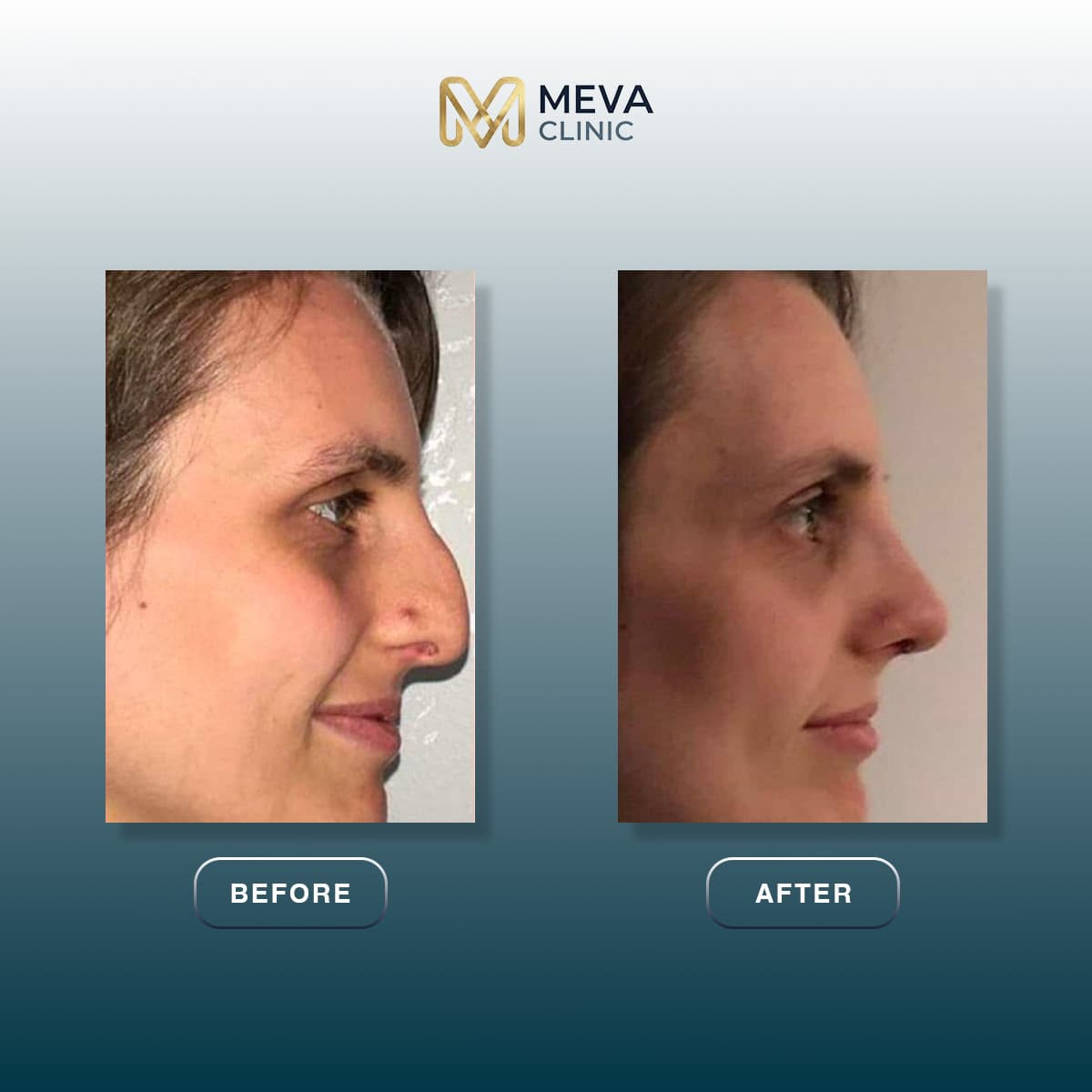
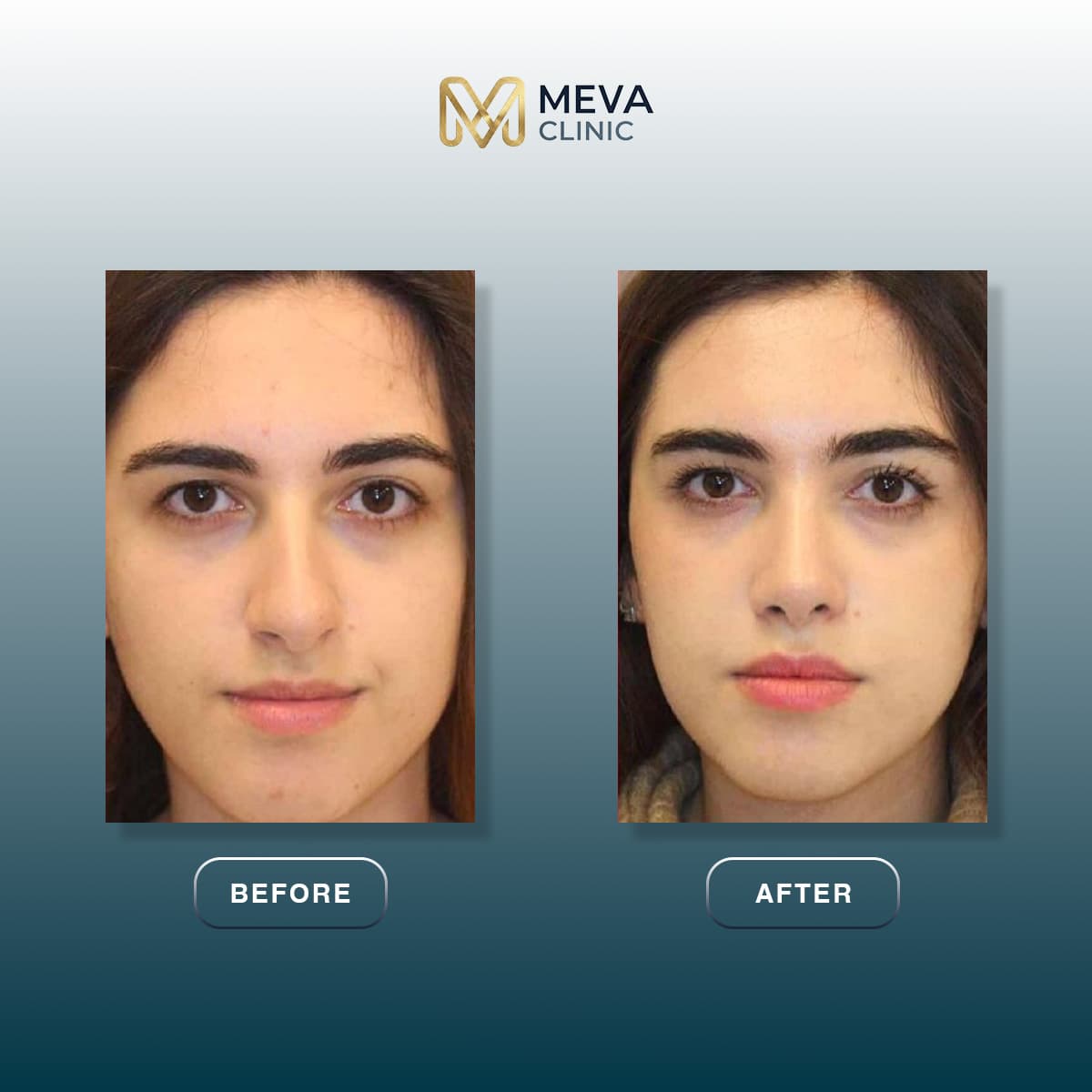
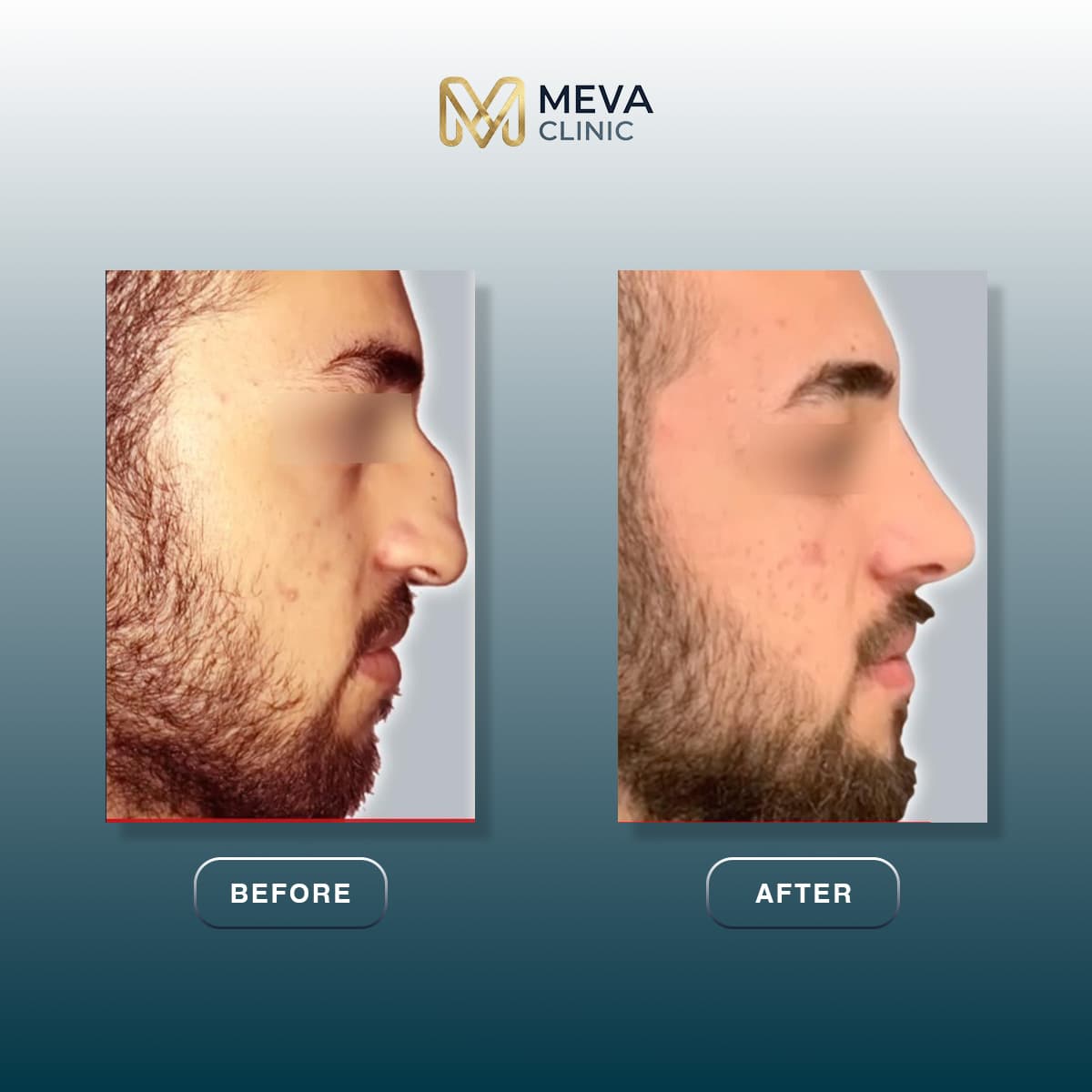
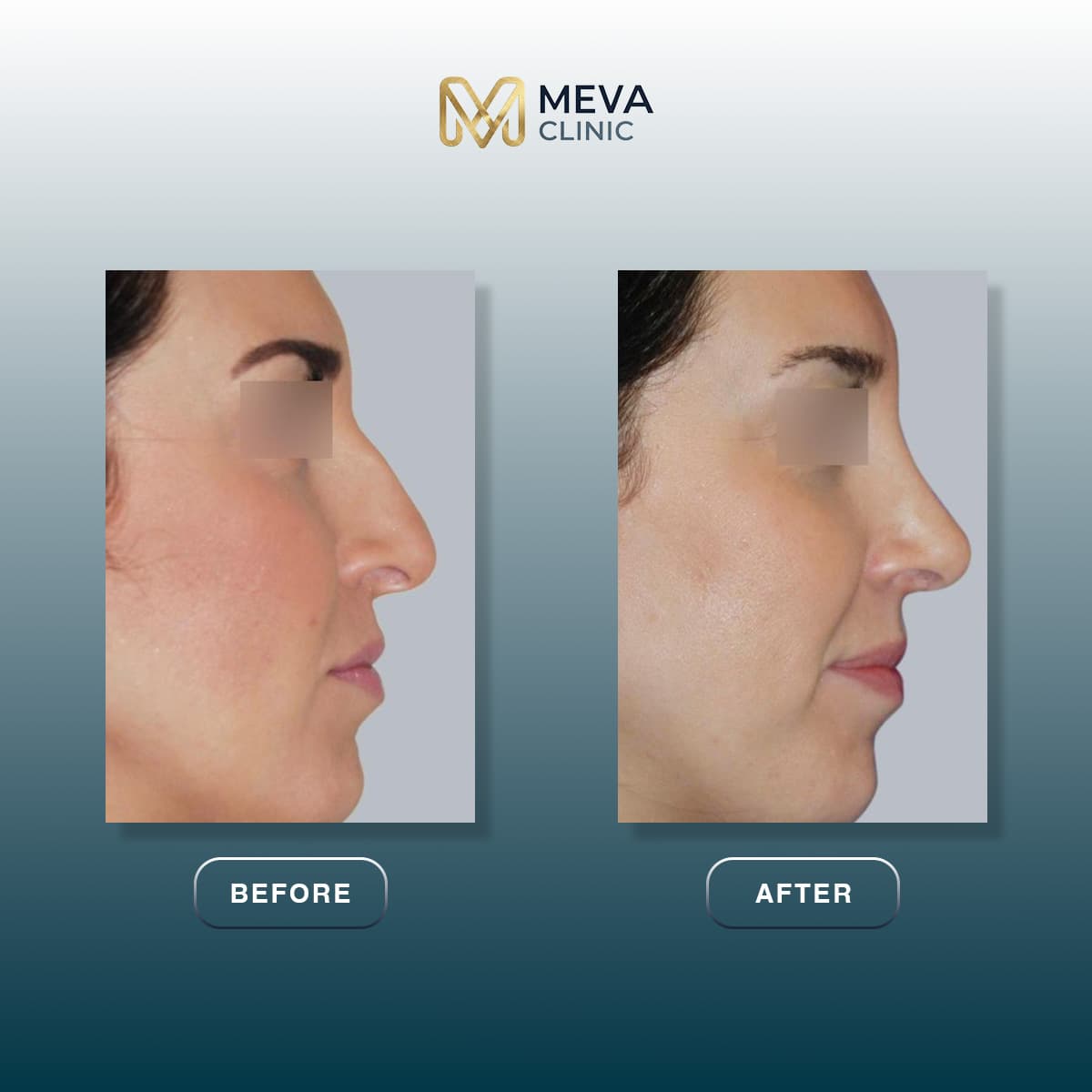
Clinical Outcomes
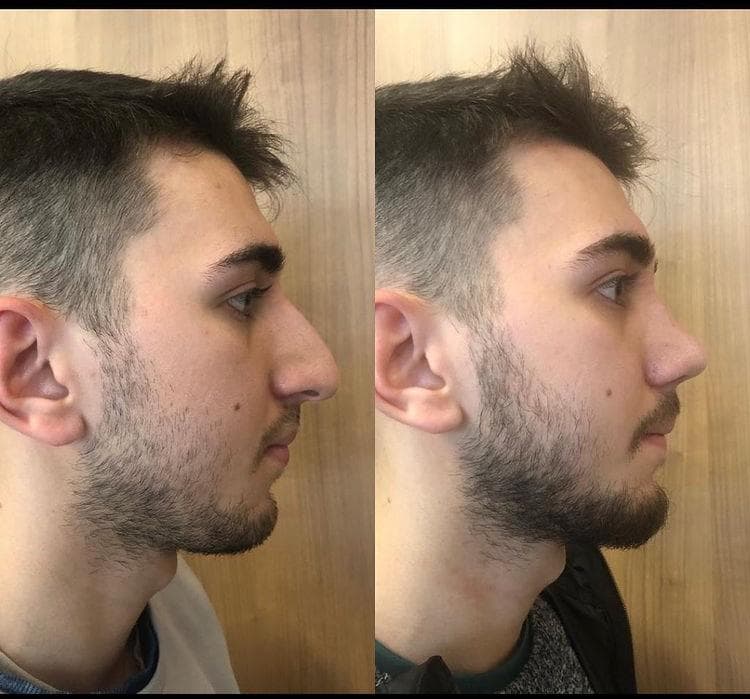
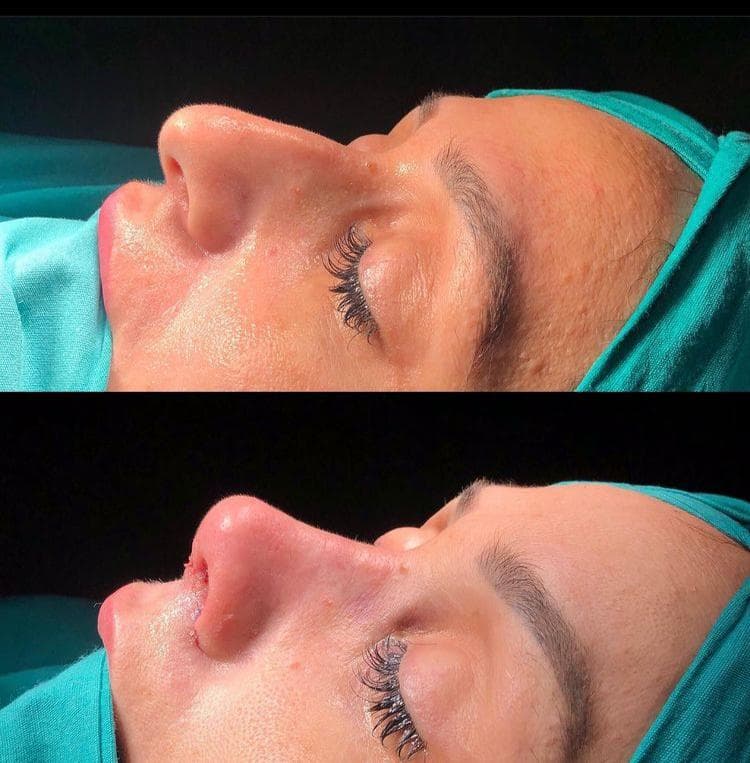
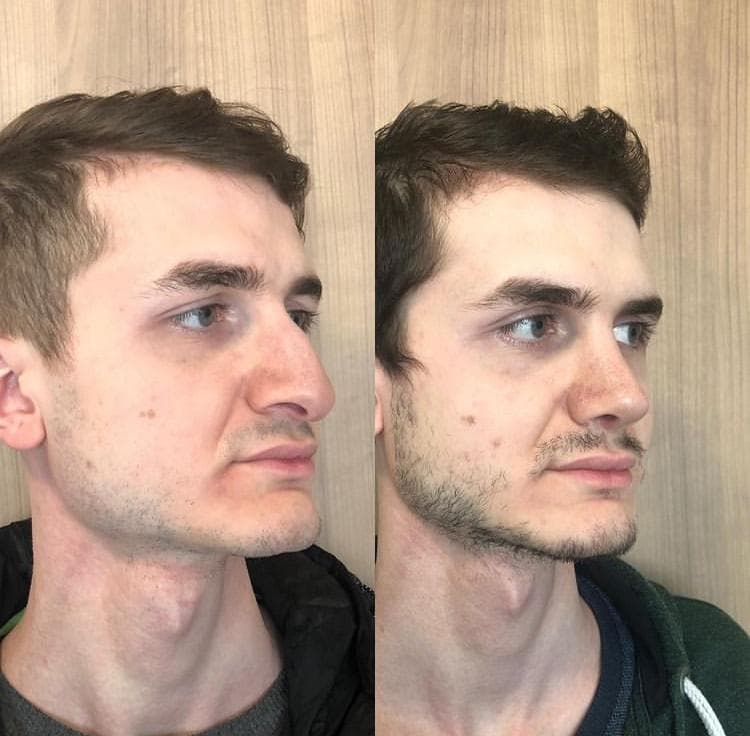
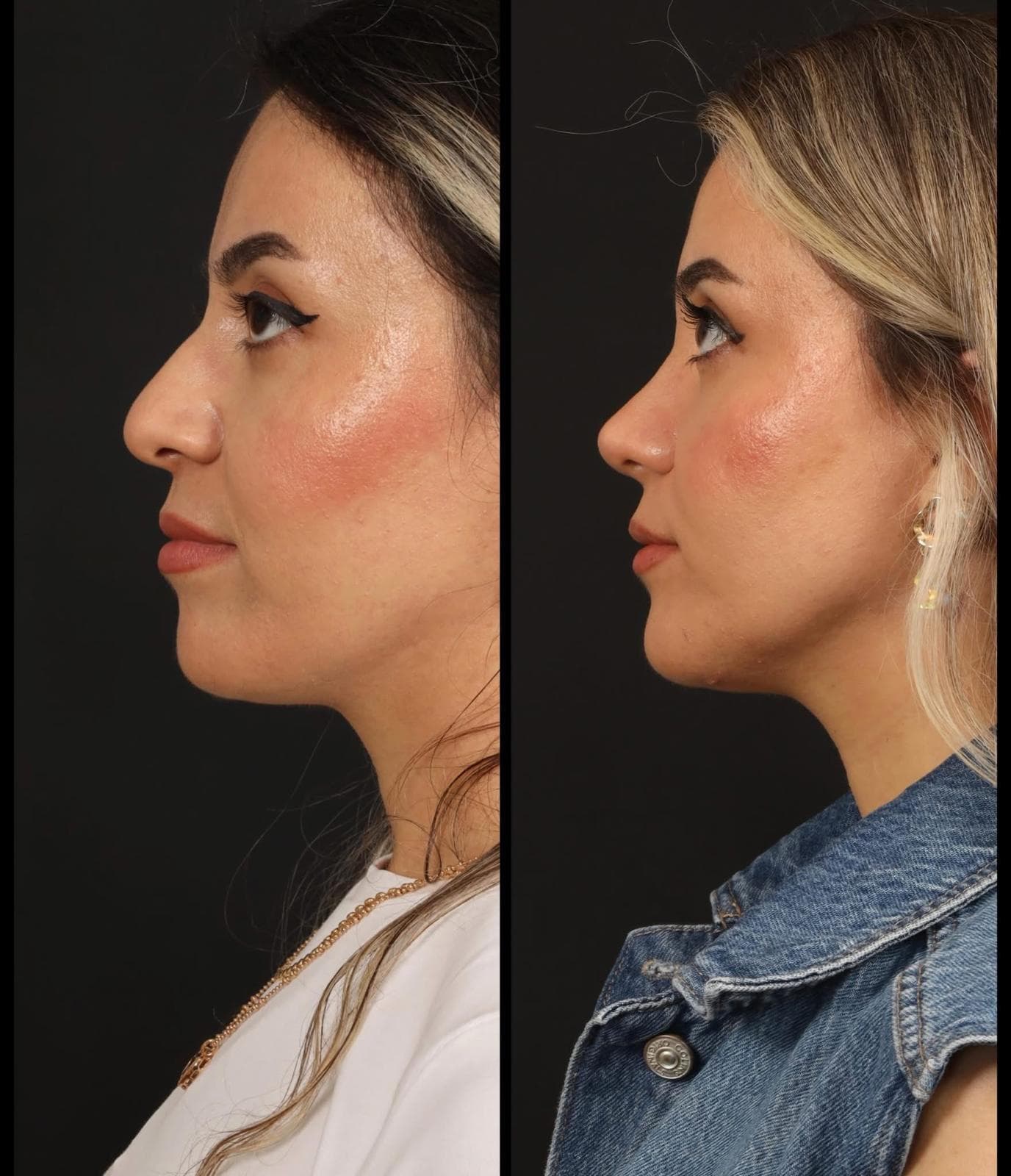
Real results from our patients. Witness the transformational outcomes achieved by our expert medical team.
.jpeg&w=3840&q=75)
.jpeg&w=3840&q=75)
.jpeg&w=3840&q=75)
.jpeg&w=3840&q=75)
.jpeg&w=3840&q=75)
.jpeg&w=3840&q=75)

.jpeg&w=3840&q=75)
.jpeg&w=3840&q=75)
.jpeg&w=3840&q=75)
.jpeg&w=3840&q=75)
.jpeg&w=3840&q=75)
.jpeg&w=3840&q=75)
.jpeg&w=3840&q=75)
.jpeg&w=3840&q=75)
.jpeg&w=3840&q=75)
.jpeg&w=3840&q=75)
.jpeg&w=3840&q=75)