

Clinical Lead
Meva Clinical Team
Kidney & Liver Transplant in Turkey
Living-donor kidney and liver transplantation at authorised, JCI-accredited partner transplant centres in Istanbul. Meva Clinic prepares your medical file for specialist review, explains Turkey's donor rules and document checklist, and coordinates the stay for both recipient and donor, from the first evaluation to follow-up at home.
Meva Clinical Team
Patient Care Information
Patient Care Information
"Our clinical approach prioritizes patient safety, individualized treatment planning, realistic expectations, and long-term follow-up throughout the international care journey."
About This Procedure
Why Choose Meva Clinic?
Living-donor kidney and liver transplantation at authorised, JCI-accredited partner transplant centres in Istanbul. Meva Clinic prepares your medical file for specialist review, explains Turkey's donor rules and document checklist, and coordinates the stay for both recipient and donor, from the first evaluation to follow-up at home.
Turkey is one of the world's highest-volume countries for living-donor transplantation. According to Ministry of Health figures, 3,299 kidney and 1,728 liver transplants were performed in 2025, and around 85% of them came from living donors, usually a family member. Because most transplants in Turkey use a living donor, the timing depends mainly on the evaluation of the patient and donor, not on a deceased-donor waiting list. The rules are strict and set by Law No. 2238 and the Organ and Tissue Transplantation Services Regulation of December 2022: a living donor must be at least 18 years old and a blood or in-law relative up to the fourth degree, or a spouse married for at least two years (the two-year condition does not apply if the illness was diagnosed after the marriage). Any other donor needs approval from the Organ Transplant Evaluation Ethics Commission of the Provincial Health Directorate, and buying, selling or brokering an organ is a crime punishable by 5 to 9 years in prison. In practice, international patients therefore travel with their own related donor. Where the patient and donor are not compatible, the hospital may consider ABO-incompatible transplantation or national paired (cross) exchange, which is run through the Ministry's matching system. Meva Clinic is a coordination service: we do not perform surgery, manage waiting lists or find donors. We collect and translate your medical records, send them to transplant specialists at authorised, JCI-accredited partner hospitals for a preliminary review, give you the document checklist for the ethics committee, and organise transfers, interpreting and accommodation for you and your donor. For patients from Romania: EU cross-border reimbursement (form S2) covers EU/EEA countries, Switzerland and the UK, not Turkey, so treatment in Turkey is normally self-funded; ask your health insurance house (CAS) about your own case.
Patient Care Information
Meva Clinic Clinical Care Team
Clinical Governance & Patient Pathway Safety
This content is maintained by Meva Clinic’s Clinical Care Team for patient guidance and clinical transparency. Final treatment suitability, operating physician assignment, surgical planning, and medical decisions are confirmed only after medical history review, in-person consultation, diagnostic tests, anesthesia evaluation, and doctor availability.
Is This Treatment for Me?
Kidney failure (on dialysis or close to it) or advanced liver disease
A family member or spouse willing to be evaluated as a living donor
Long or uncertain waiting list in your home country
You want a specialist opinion on whether a transplant suits you
Comprehensive International Patient Care Plan
Chaperoned Airport & Hospital Transfers
Bilingual Medical Companion Support
Medical Records & Translation Coordination
Outpatient Check-Up Logistics Support
Pre-Assessment Clinical Coordination
The Clinical Procedure
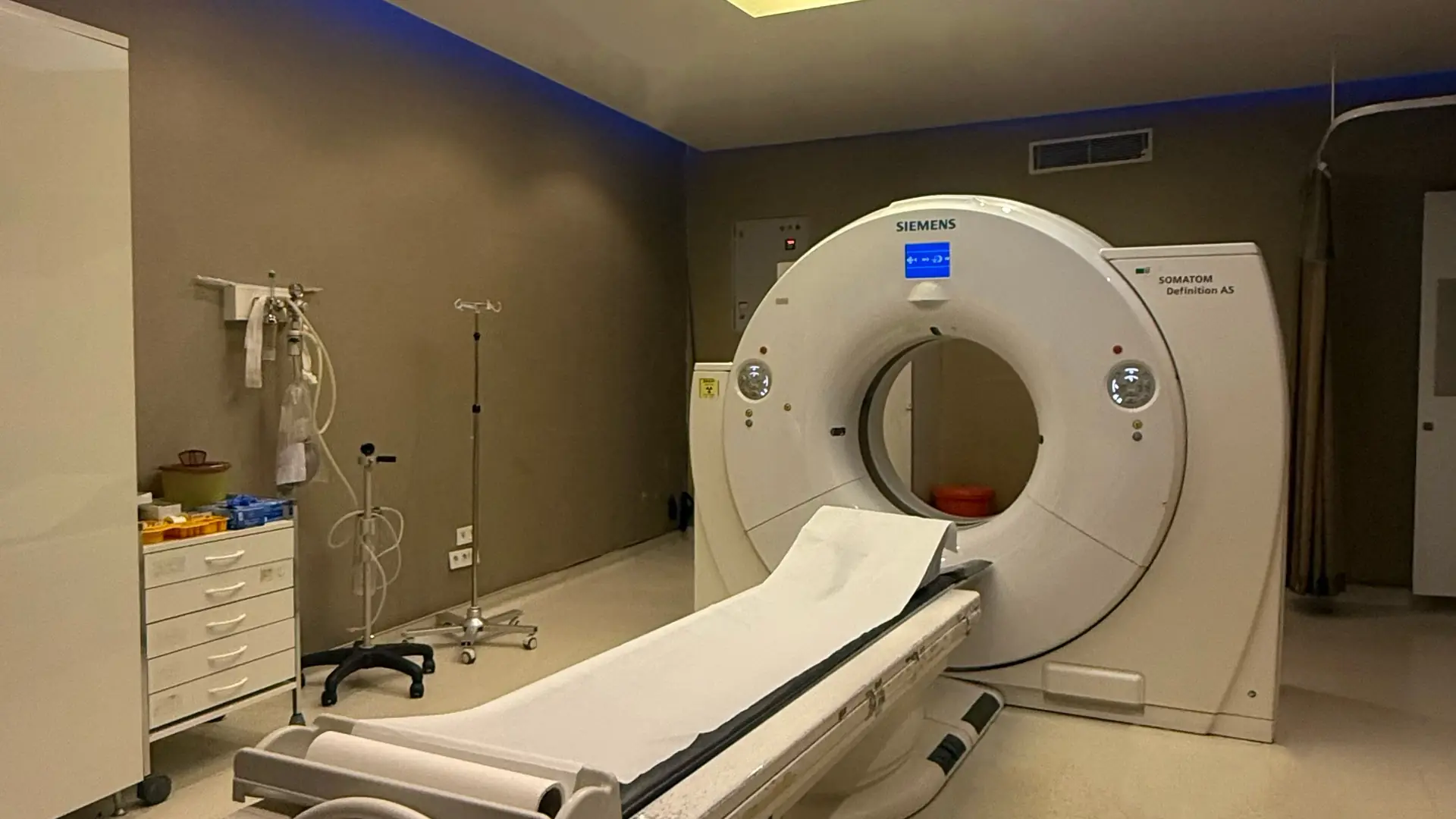
Living-donor kidney or liver transplant at an authorised transplant centre, after compatibility testing and ethics committee approval.
Free File Review
Send recent reports (diagnosis, dialysis or liver tests, imaging, medication list). We translate them and ask a transplant specialist at a partner hospital for a preliminary opinion.
Donor Check
We confirm that your potential donor meets the legal rules (relative up to the 4th degree or spouse of 2+ years, 18 or older) and send the list of tests the donor can start at home.
Documents
You receive a written checklist of identity and kinship documents, translations and legalisation for both of you, so nothing is missing on arrival.
Evaluation in Istanbul
Recipient and donor complete compatibility testing, imaging and specialist consultations at the transplant centre; the team and, where required, the ethics commission review the case.
Surgery & Hospital Stay
Donor and recipient are operated on the same day. A kidney donor usually leaves hospital after 2–3 days and the recipient after about 7 days; liver transplant stays are longer.
Follow-up & Return Home
Frequent check-ups in Istanbul until the transplant team clears you to fly, then a medical summary and medication plan for your doctors at home and ongoing contact with the coordinator.
Recovery & Transformation Journey
Days 1–7: Arrival & Evaluation
Recipient and donor tests, imaging and consultations; ethics and consent paperwork completed before surgery is scheduled.
Surgery Day
Donor and recipient operations take place in parallel at the transplant centre.
Hospital Stay
Kidney: donor about 2–3 days, recipient about 5–7 days. Liver: donor about 5–7 days, recipient about 2–3 weeks, depending on recovery.
Weeks 2–8: Outpatient Monitoring
Recipient stays near the hospital for frequent blood tests while anti-rejection doses are adjusted; most kidney recipients need about 4–8 weeks in Istanbul in total, kidney donors about 2–3 weeks.
After Return Home
Lifelong anti-rejection medication, regular blood tests and follow-up with your local nephrologist or hepatologist, with the Istanbul team available for remote review.
The Meva Advantage
One coordinator for recipient and donor: medical file, document checklist, hospital logistics and follow-up with your doctors at home.
Medical Guidelines & Safety Protocols
Hospital-based procedures are coordinated through accredited partner hospitals, including JCI-accredited institutions where clinically appropriate. Below are the clinical guidelines, safety protocols, and medical reference documentation for this procedure.
Indicated / Suitable For
- Adults with end-stage kidney disease (on dialysis or approaching it) or advanced liver disease whose treating physicians consider a transplant evaluation appropriate.
- Patients who have a prospective living donor: a blood or in-law relative up to the fourth degree, or a spouse married for at least two years, willing to travel and be evaluated in Turkey.
- Patients seeking a second medical opinion from transplant specialists on whether transplantation, or another treatment, suits their situation.
- Candidates who are stable enough to travel and can provide complete, recent medical records (laboratory results, imaging, specialist letters, dialysis or hepatology reports).
- Recipients and donors who are ready to commit to lifelong anti-rejection medication, regular blood tests and long-term follow-up with a transplant team in their home country.
Contraindications / Not Suitable
- Emergencies, such as acute liver failure, severe decompensation, dangerously high potassium or any sudden deterioration, must be treated by local emergency services and are not suitable for travel planning.
- Active, uncontrolled infection, including untreated tuberculosis or uncontrolled viral infection; transplantation is usually postponed until the infection is treated.
- Active cancer, or a recently treated cancer that has not completed the waiting period recommended by the specialists.
- Severe uncontrolled heart, lung or vascular disease, or other conditions that make major surgery under general anaesthesia unsafe for the recipient or the donor.
- Missing legally required donor documentation; in Turkey living donation requires a related donor as defined by law or approval from the hospital ethics committee, any payment for an organ is illegal, and Meva Clinic does not source donors.
Pre-Operative Evaluation & Diagnostic Checks
Medical Dossier & Translation: Diagnosis, dialysis or hepatology records, medication list, previous operations and imaging, collected and translated for the specialists' preliminary review.
Recipient Work-up: Blood group, tissue typing (HLA) and antibody screening, kidney and liver function, infection serology (HIV, hepatitis B and C, CMV, EBV), cardiac tests such as ECG and echocardiography, and age-appropriate cancer screening.
Living Donor Evaluation: Blood group and crossmatch, kidney function tests or, for liver donors, CT angiography and liver volume measurement (the graft must be large enough for the recipient's body weight), a full health check and a psychosocial assessment confirming that the donation is safe and voluntary.
Kinship Documents: Passports, birth certificates and, for spouses, the marriage certificate proving the relationship between donor and recipient, with certified translations; the partner hospital's transplant coordinator confirms the exact legalisation (apostille or notarisation) needed before you travel.
Legal & Ethics Review: Informed consent of donor and recipient and the complete file for the hospital's transplant team and, where required, the ethics commission.
Multidisciplinary Review: Final assessment by transplant surgeons, nephrologists or hepatologists and anaesthetists before a date is confirmed.
Potential Risks & Complications
In compliance with transparent clinical reporting, Meva Clinic ensures patients are fully informed of the physiological risks associated with surgical procedures through accredited partner-hospital safety protocols where clinically appropriate.
The immune system may attack the new organ; the risk is reduced by compatibility testing and anti-rejection medication, and regular blood tests (sometimes a biopsy) allow early detection so treatment can be adjusted.
Anti-rejection drugs lower resistance to viral, bacterial and fungal infections; managed with preventive medication, hygiene measures, vaccination planning and close monitoring, especially in the first months.
Bleeding, clots in the transplant vessels, urine leak or ureter narrowing after kidney transplant, bile leak or bile duct narrowing after liver transplant, and wound problems; monitored in hospital and treated with interventional or surgical procedures when needed.
Immunosuppression can raise blood pressure, blood sugar and cholesterol, affect kidney function and, over the years, increase the risk of skin and some other cancers; lifelong monitoring and dose adjustments keep these under review.
The donor undergoes major surgery with its own risks (pain, bleeding, infection, blood clots) and, for kidney donors, a small long-term increase in kidney disease risk; donors are assessed separately and need their own long-term follow-up.
Flying too early, missed blood tests or an interrupted medicine supply can endanger the new organ; travel home happens only after medical clearance, with a written plan, sufficient medication and a transplant team at home arranged in advance.
Realistic Expectations & Outcomes
A transplant can restore organ function and, for most kidney patients, end the need for dialysis, but it is lifelong treatment rather than a one-time cure. Published Turkish results give an idea of what is achievable: in a series of 3,136 kidney transplants at Başkent University, graft survival was 92.9% at one year and 78.3% at five years, with patient survival of 95.5% and 92.9%; in the first 500 liver transplants at a private Istanbul centre (394 from living donors), patient survival was 87.8% at one year and 78.6% at five years. Results for an individual depend on the underlying disease, age, donor factors and, above all, on taking anti-rejection medication and attending follow-up. Whether a transplant is possible is decided only after specialist evaluation, compatibility testing and, where required, ethics committee review; Meva Clinic cannot promise approval, a compatible donor, a date or a result.
Revision & Follow-Up Policy
After discharge, the patient coordinator helps keep communication open between the transplant team in Turkey and the patient's doctors at home: sharing discharge summaries, laboratory results and medication plans, and arranging remote reviews whenever the specialists request them. Warning signs such as fever, reduced urine output, jaundice or worsening laboratory values are escalated to the treating team or, if urgent, to local emergency services. Any further procedure is decided only by the transplant specialists after individual assessment.
Authoritative Medical References & Studies
- [1]Law No. 2238 on the Removal, Storage, Grafting and Transplantation of Organs and Tissues (Turkey), articles 3, 5 and 15.View Source
- [2]Organ and Tissue Transplantation Services Regulation, Official Gazette of Turkey, 9 December 2022, No. 32038 (articles 9, 12, 13).View Source
- [3]Kidney transplantation outcomes in 3,136 transplants at Başkent University, Turkey. Exp Clin Transplant. 2020.View Study
- [4]Outcomes of the first 500 liver transplants at a private Istanbul centre (394 living donor). Exp Clin Transplant. 2015.View Study
- [5]Chadban SJ, Ahn C, Axelrod DA, et al. KDIGO Clinical Practice Guideline on the Evaluation and Management of Candidates for Kidney Transplantation. Transplantation. 2020;104(4S1 Suppl 1):S11-S103.View Source
- [6]Lentine KL, Kasiske BL, Levey AS, et al. KDIGO Clinical Practice Guideline on the Evaluation and Care of Living Kidney Donors. Transplantation. 2017;101(8S Suppl 1):S1-S109.View Source
- [7]European Association for the Study of the Liver. EASL Clinical Practice Guidelines: Liver transplantation. J Hepatol. 2016;64(2):433-485.View Source
Medical Disclaimer: This page describes coordination services and is for general information only. Meva Clinic does not perform transplants, manage organ waiting lists or source donors. Eligibility, donor suitability, surgical decisions and ethics committee approval rest solely with licensed transplant specialists and authorised hospitals in Turkey. In an emergency, contact your local emergency services.
Frequently Asked Questions
Related Treatments
IVF Cyprus (Advanced Fertility)
Advanced ICSI, PGD, and Family Balancing in our specialized Cyprus laboratory. Clinically monitored outcomes for complex cases.
Targeted Oncology Coordination
For patients exploring targeted therapy or immunotherapy in Turkey, Meva Clinic coordinates medical records review, genomic tumor profiling evaluations, and specialist tumor board consultations at JCI-accredited partner hospitals.
Procedure Details
Hospital Stay
Kidney ~7 days · Liver 2–3 weeks
Hotel Package
Recipient 4–8 weeks in Istanbul
Return to Work
2–3 months (medical clearance)
Anaesthesia
General