

Clinical Lead
Meva Clinic Plastic Surgery Care Team
Deep Plane Facelift
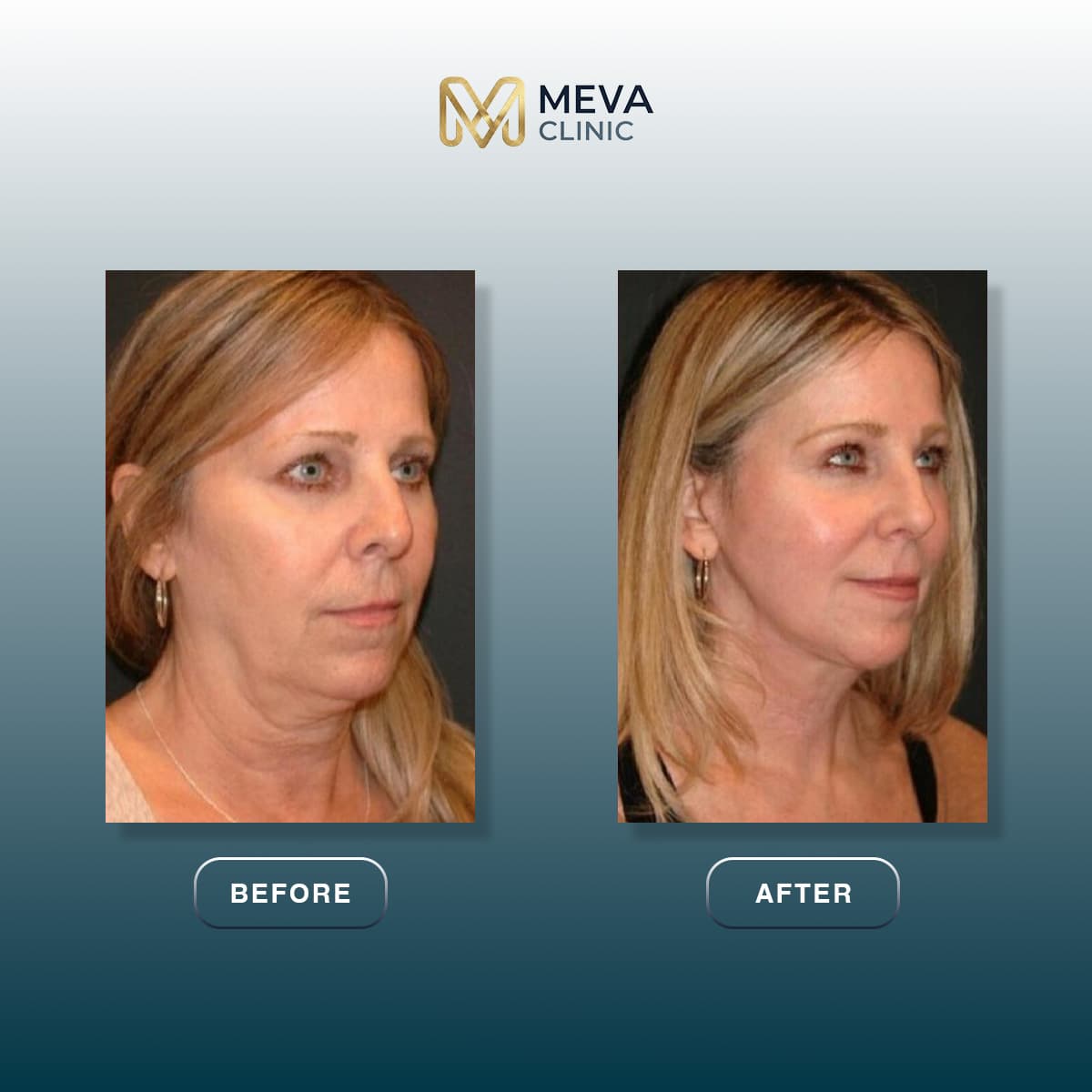
Repositions the deep facial layers (SMAS) for a natural, non-operated look. Results can last for years, depending on individual anatomy and the surgical plan.
Meva Clinic Plastic Surgery Care Team
Patient Care Information
Patient Care Information
"Our clinical approach prioritizes patient safety, individualized treatment planning, realistic expectations, and long-term follow-up throughout the international care journey."
About This Procedure
Why Choose Meva Clinic?
Repositions the deep facial layers (SMAS) for a natural, non-operated look. Results can last for years, depending on individual anatomy and the surgical plan.
Jowls along the jawline, deep folds and a loosening neck usually come from deeper facial tissues sliding downward, not just from the skin. A deep plane facelift in Istanbul works beneath the SMAS, the muscle-and-fascia layer under the skin, and repositions those tissues as a unit. Because the lift is carried by the deeper layer, the skin is laid back without being pulled tight, which helps avoid a stretched look. It suits people with clear jowling and neck laxity. The consultation reviews your anatomy, skin quality and general health. Expect 1 hospital night under general anaesthesia and about 7 hotel nights; most people plan around 14 days away from work. For the eye area, see eyelid surgery.
Patient Care Information
Meva Clinic Plastic Surgery Care Team
Aesthetic & Body Contouring Pathway Guidance
This content is maintained by Meva Clinic’s Clinical Care Team for patient guidance and clinical transparency. Final treatment suitability, operating physician assignment, surgical planning, and medical decisions are confirmed only after medical history review, in-person consultation, diagnostic tests, anesthesia evaluation, and doctor availability.
Is This Treatment for Me?
Significant jowls
Neck sagging
Advanced facial aging
Comprehensive International Patient Care Plan
Private airport transfer according to the confirmed care plan
Bosphorus-view partner hotel, according to the confirmed care plan
24/7 nursing care during your hospital stay
Dedicated patient support during the confirmed care pathway
Aftercare guidance or materials according to the confirmed treatment plan
Follow-up guidance according to individual medical recommendations
The Clinical Procedure
Structural repositioning of deep tissues without skin tension.
Facial analysis and marking
The surgeon assesses the jowls, neck and skin quality, then marks the incision lines, which follow the natural creases in front of and behind the ear and run into the hairline.
General anaesthesia
The operation takes place under general anaesthesia, with a specialist anaesthetist monitoring you throughout.
Access beneath the SMAS
After a limited skin elevation, the surgeon passes beneath the SMAS, the muscle-and-fascia layer, and releases the ligaments that hold the cheek and jowl tissues down.
Repositioning the deep layer
Cheek, jowl and neck tissues are lifted together as one unit, mainly vertically, and secured with internal stitches. When planned, the neck is refined through a small incision under the chin.
Tension-free skin closure
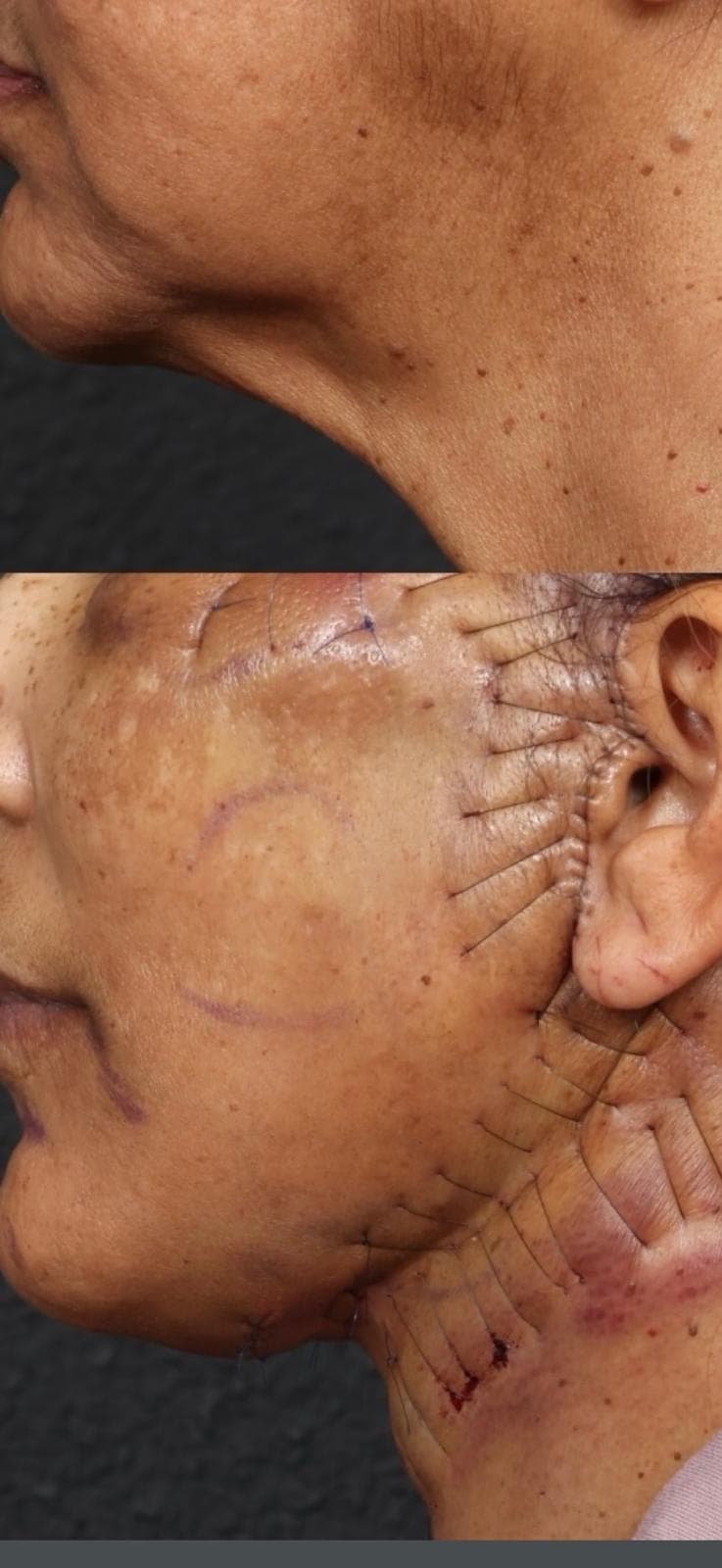
The skin is laid back over the lifted tissues without being pulled tight; only the true excess is trimmed and the incisions are closed with fine stitches.
Dressing and overnight care
A light head dressing is applied and a small drain may be placed. You spend the night in the partner hospital with your head raised.
Recovery & Transformation Journey
Phase 1: Day 1 (hospital)
Overnight monitoring, cold compresses and head elevation. The dressing is checked, and drains, if used, are usually removed the next day.
Phase 2: Days 2–8 (Istanbul hotel)
Swelling and bruising usually peak in the first days, then fade. Stitches are typically removed around one week after surgery, followed by the check that confirms you can fly home.
Phase 3: Weeks 2–6
Most people return to desk work and social life after about 14 days. Tightness and numbness around the ears are common and ease gradually; light exercise often resumes after 3–4 weeks, strenuous exercise later, as your surgeon advises.
Phase 4: Months 3–12
Residual swelling resolves, sensation returns and the scars fade. The settled, final result is typically seen between 6 and 12 months.
The Meva Advantage
provides a refreshed and revitalized appearance with a focus on vertical lift and volume.
Medical Guidelines & Safety Protocols
Hospital-based procedures are coordinated through accredited partner hospitals, including JCI-accredited institutions where clinically appropriate. Below are the clinical guidelines, safety protocols, and medical reference documentation for this procedure.
Indicated / Suitable For
- Adults with visible jowls, loss of jawline definition and deepening folds caused by descent of the deeper facial tissues
- Patients with neck laxity or banding who wish to address the lower face and neck in one procedure
- Non-smokers, or patients willing to stop all nicotine products for several weeks before and after surgery
- People in good general health, with stable weight and conditions such as high blood pressure well controlled
- Patients with realistic expectations of a refreshed, natural look rather than a change in identity or skin texture
Contraindications / Not Suitable
- Active smoking or nicotine use (including vaping and patches) that cannot be stopped, as it raises the risk of skin necrosis and poor wound healing
- Uncontrolled high blood pressure, a key risk factor for haematoma after a facelift
- Bleeding disorders, or anticoagulant/antiplatelet medicines and supplements that cannot be safely paused
- Serious heart, lung or other conditions that make general anaesthesia unsafe
- Planned major weight loss in the near future, or expectations that surgery will stop ageing or change skin quality
Pre-Operative Evaluation & Diagnostic Checks
Facial and Neck Analysis: Assessment of jowls, neck laxity, skin quality, facial symmetry and existing facial nerve function, with standardised photographs.
Blood Pressure Review: Checking that blood pressure is well controlled before surgery and on the day itself, as this is central to haematoma prevention.
Laboratory Tests: Complete blood count, coagulation profile, biochemistry and infectious disease screening.
Medication and Lifestyle Review: Identifying blood thinners, supplements (such as fish oil or vitamin E) and nicotine use that must be stopped in advance.
Anaesthesia Assessment: In-hospital evaluation, with ECG and further tests when indicated, to confirm fitness for general anaesthesia.
Potential Risks & Complications
In compliance with transparent clinical reporting, Meva Clinic ensures patients are fully informed of the physiological risks associated with surgical procedures through accredited partner-hospital safety protocols where clinically appropriate.
A collection of blood under the skin, most often in the first 24 hours; the risk is reduced by strict blood-pressure control and overnight hospital monitoring, and it is treated promptly if it occurs.
Weakness of a facial nerve branch, such as the marginal mandibular branch that moves the lower lip, is uncommon; it is usually temporary and recovers over weeks to months. Careful dissection in known anatomical planes reduces the risk.
Reduced skin sensation is expected and returns gradually over several months; the great auricular nerve is protected during surgery.
Small areas of poor healing behind the ear are more likely in smokers; the tension-free skin closure and a strict nicotine-free period lower this risk.
Incisions follow natural creases and the hairline and usually fade well; occasionally a scar thickens or widens and may need treatment or a minor revision.
Uneven swelling is common early on and settles over weeks; minor persistent irregularities are assessed once the tissues have matured.
Realistic Expectations & Outcomes
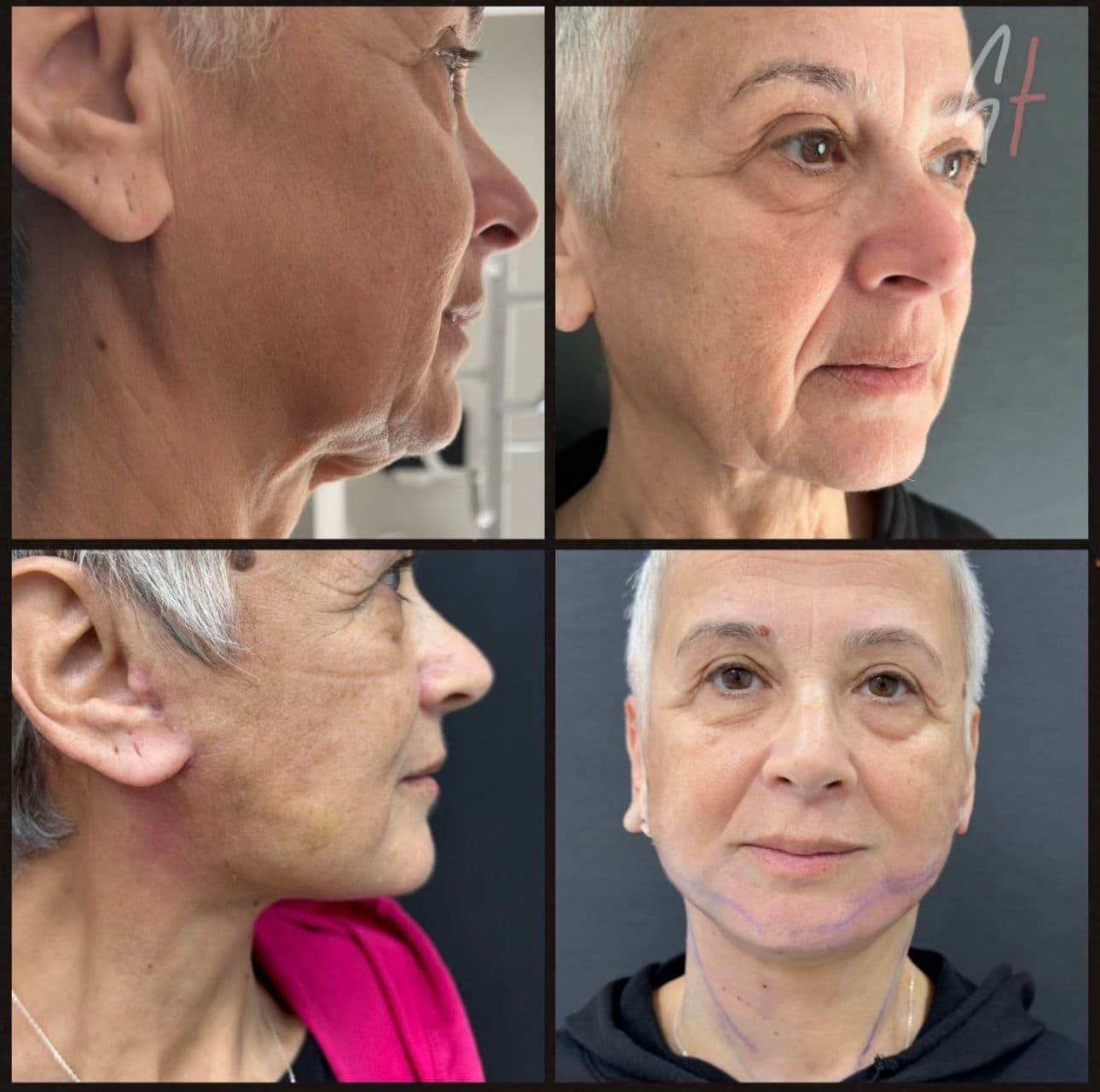
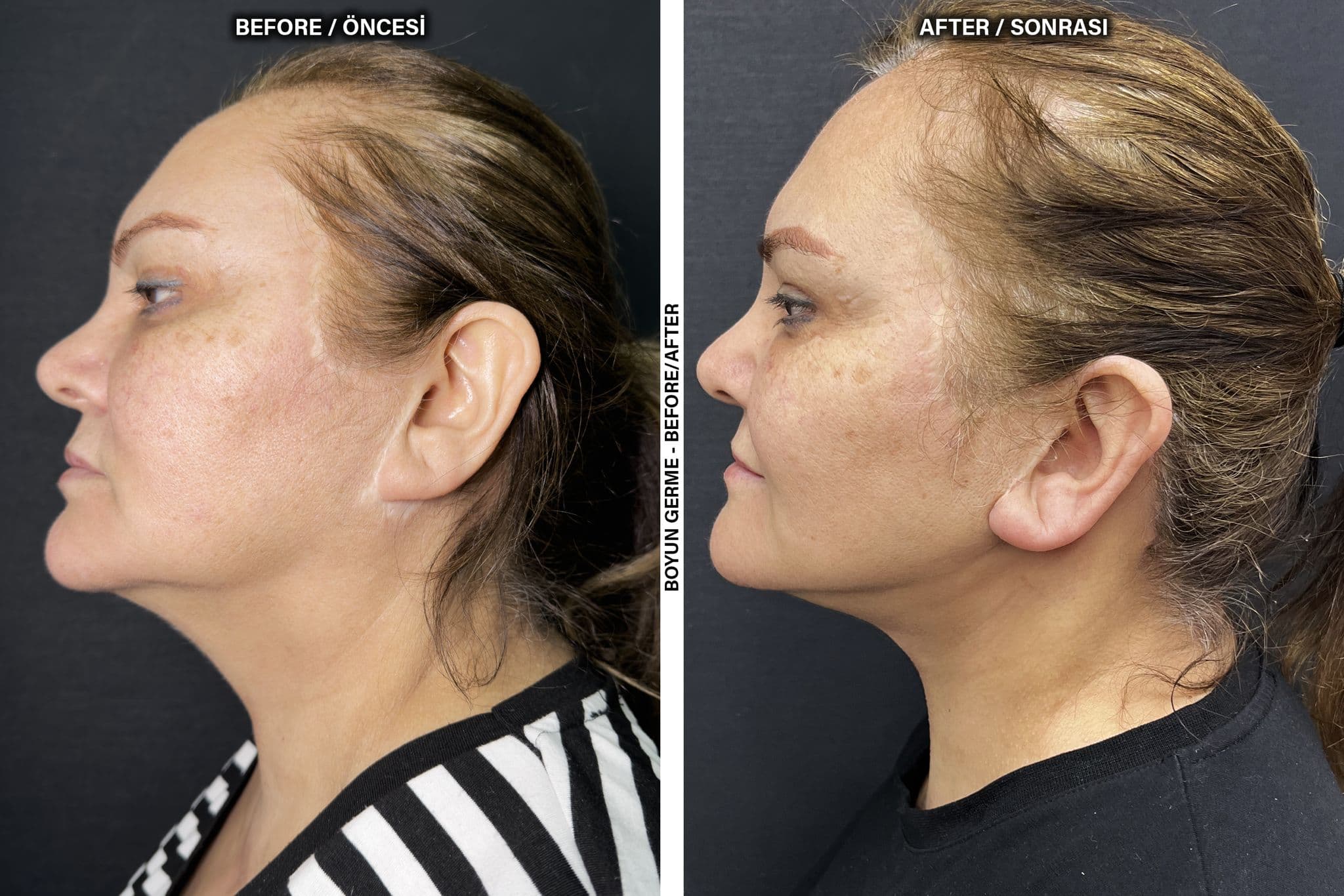
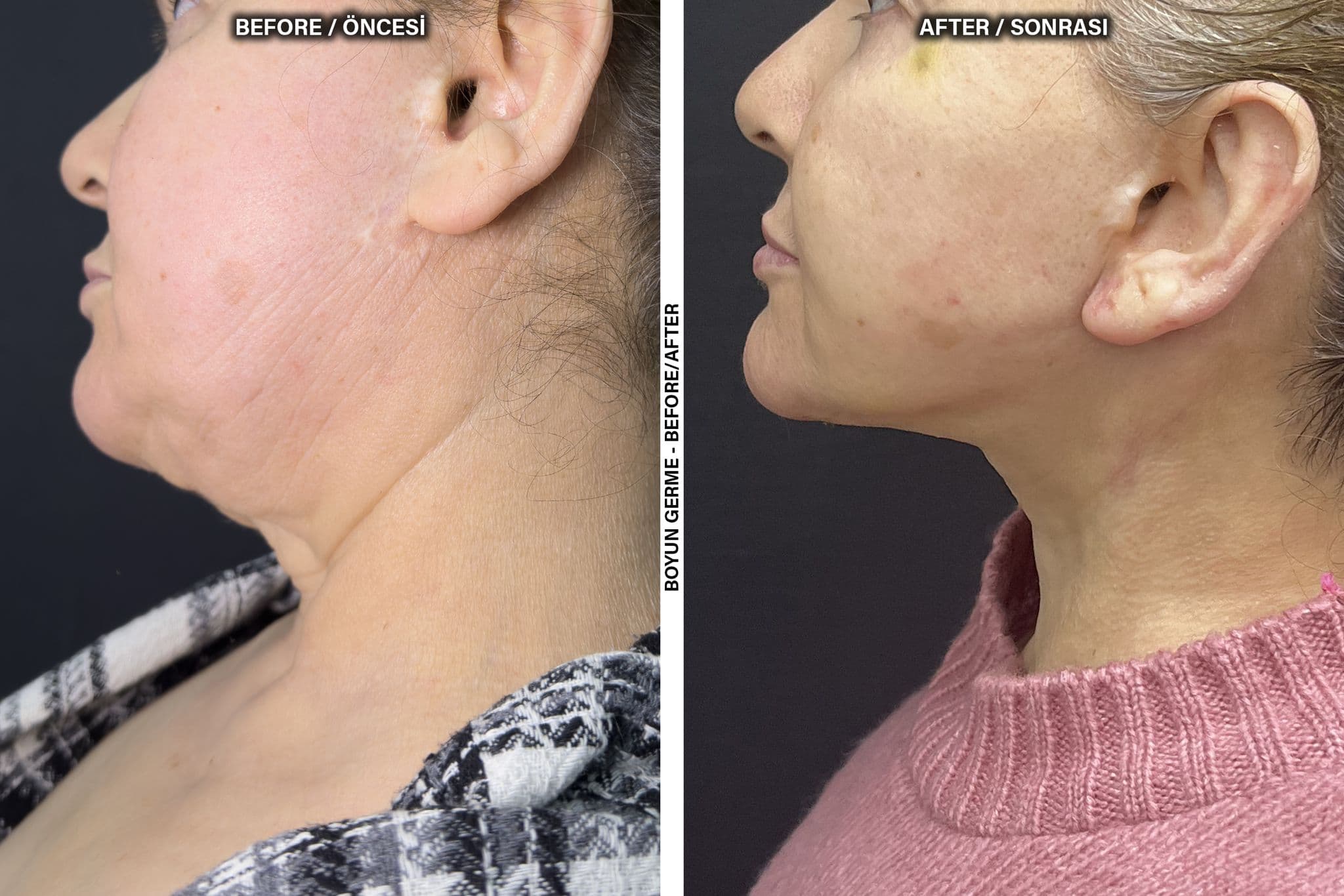
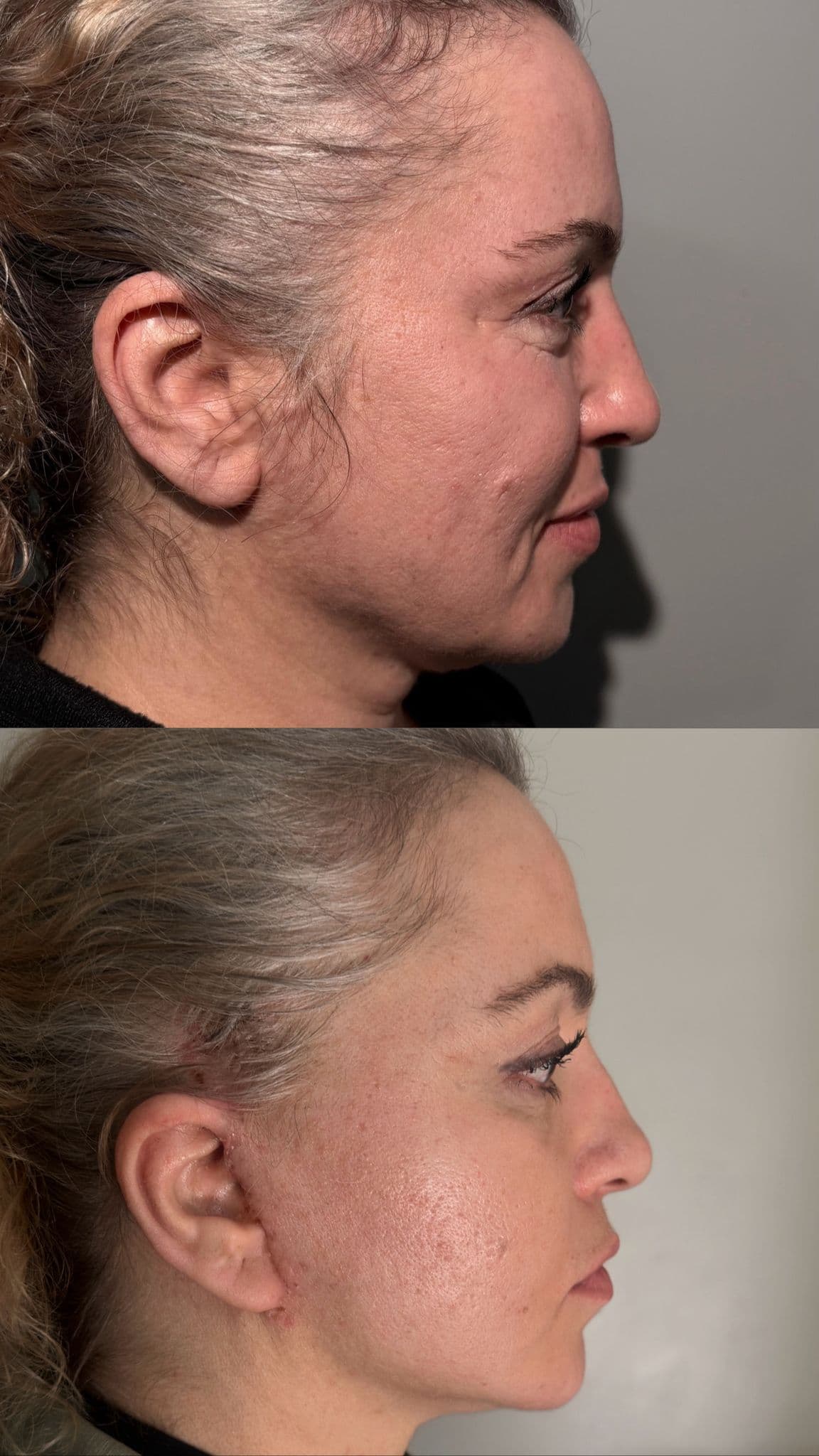
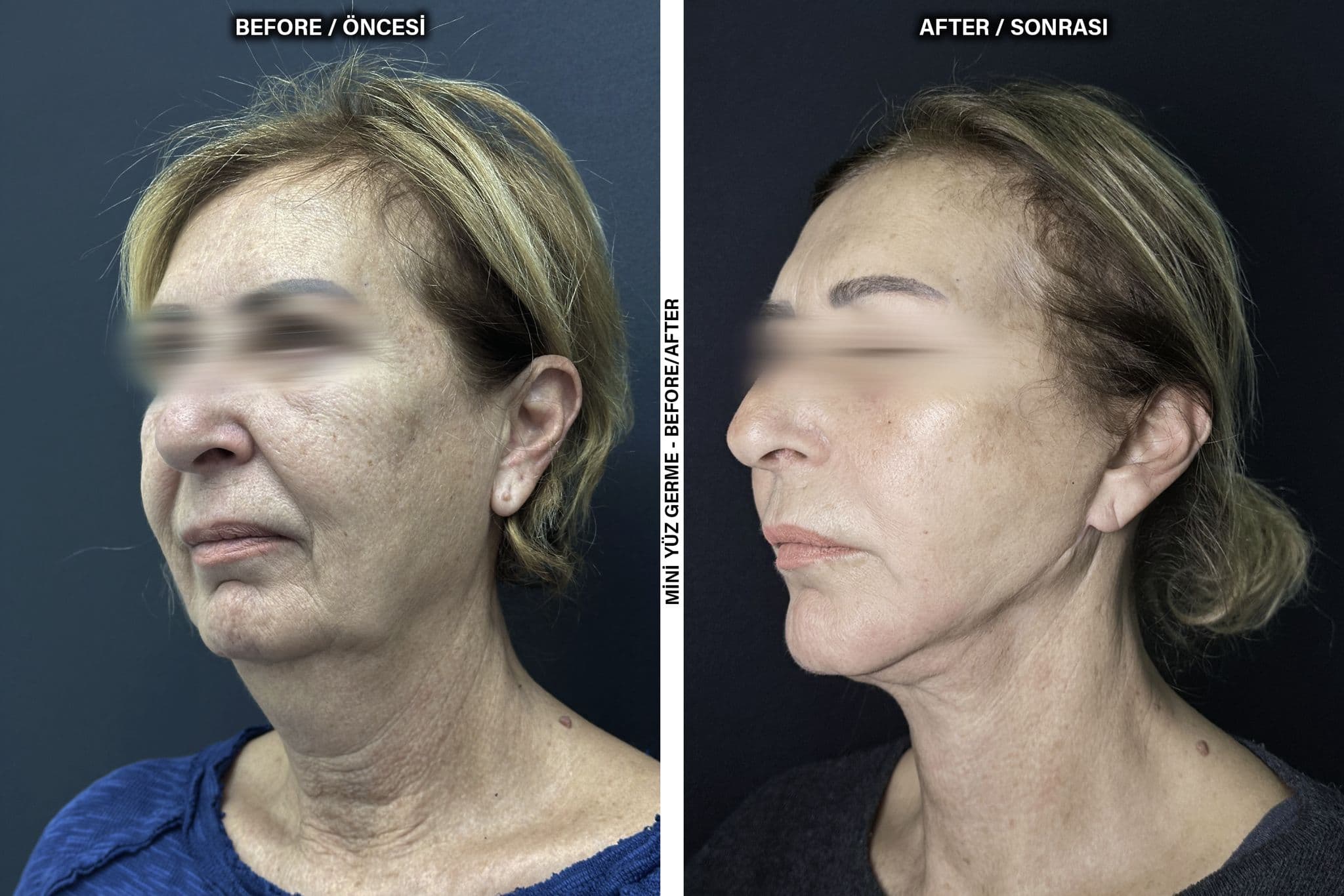
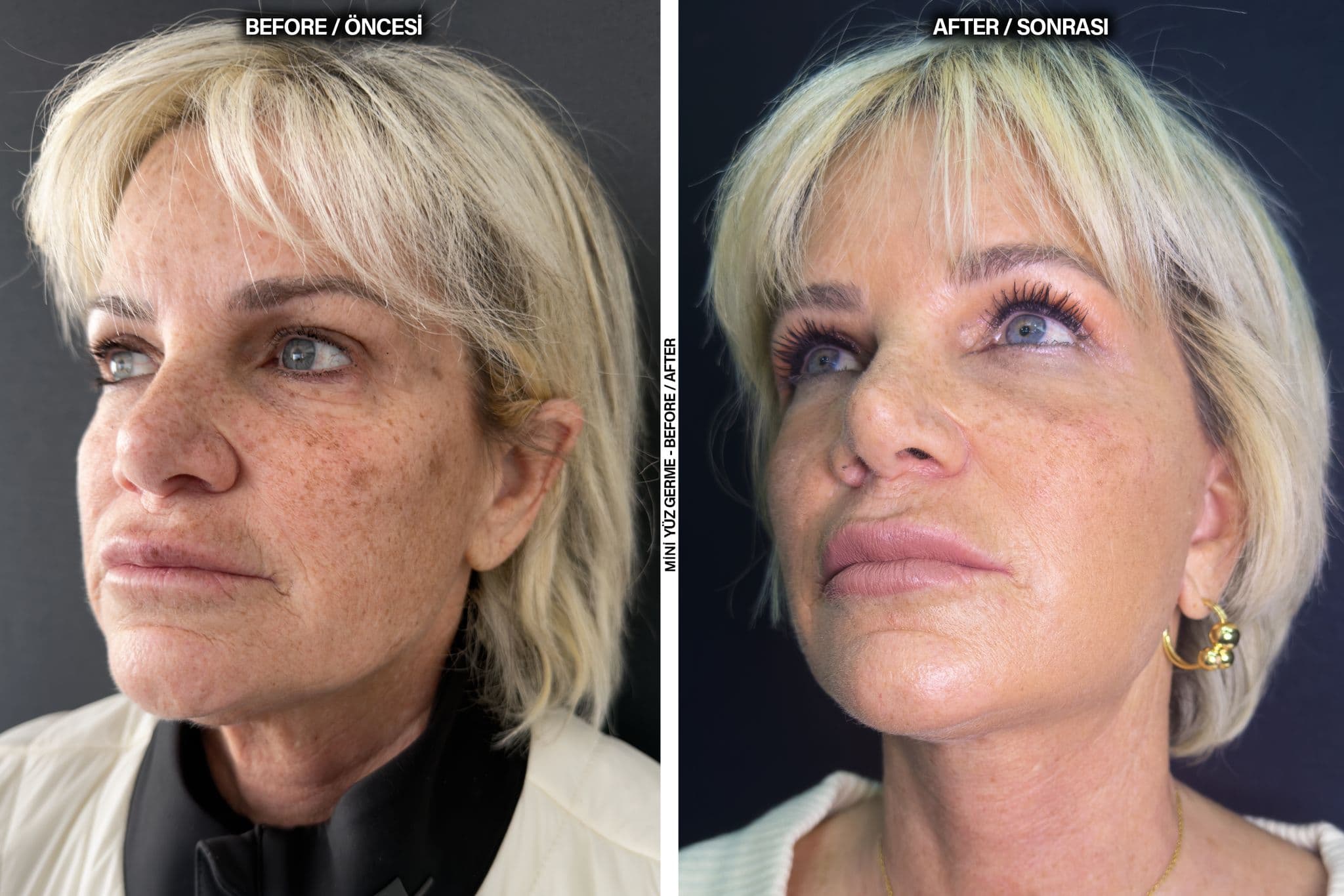
A deep plane facelift repositions the descended cheek, jowl and neck tissues to restore a clearer jawline and a more rested lower face. It does not stop the ageing process, change skin texture, remove fine wrinkles or treat the forehead and eyelids, which may need separate procedures. After the overnight hospital stay, swelling and bruising usually peak in the first days and ease over two to three weeks, when most people feel comfortable returning to social life. Tightness and numbness fade gradually. Subtle swelling, especially along the jaw and neck, continues to settle for several months, so the final result is judged between 6 and 12 months after surgery.
Revision & Follow-Up Policy
After you return home, your recovery is followed remotely through scheduled photo and video reviews at around 1, 3, 6 and 12 months, with your coordinator available in between. Because the deep tissues and skin continue to settle for up to a year, any request for a touch-up or revision is considered only after this maturation period. Each case is assessed individually by the operating surgeon, based on objective medical findings. For 12 months after your treatment you can also send photos to the medical team whenever you wish and receive their feedback, and your questions are answered remotely.
Authoritative Medical References & Studies
- [1]Khoury S, Almubarak Z, Khan H, et al. The Deep Plane versus SMAS Facelift: A Systematic Review and Meta-Analysis. Aesthetic Plast Surg. 2025;49(21):5895-5903.View Source
- [2]Vayalapra S, Guerero DN, Sandhu V, et al. Comparing the Safety and Efficacy of Superficial Musculoaponeurotic System and Deep Plane Facelift Techniques: A Systematic Review and Meta-analysis. Ann Plast Surg. 2025;95(5):582-589.View Source
Medical Disclaimer: This information is educational and does not replace a medical consultation. Facial anatomy, skin quality, general health and healing vary from person to person. Whether a deep plane facelift is suitable, the exact surgical plan and the likely result are determined only after an individual assessment by a qualified specialist plastic surgeon.
Frequently Asked Questions
Related Treatments
Piezo Ultrasonic Rhinoplasty
Advanced ultrasonic nasal reshaping using high-frequency micro-vibrations. Designed for selective bone remodeling with soft-tissue preservation to support comfortable healing; individual recovery varies.
Vaser Liposuction (High-Def)
Targeted fat removal with ultrasound. Sculpts athletic contours while tightening the skin.
Double Chin Liposuction
A precise, minimally invasive procedure that removes localized fat cells under the chin; with a stable weight, it can restore a more defined jawline and a younger-looking profile.
Breast Augmentation (Implants)
Premium Motiva & Mentor implants. Natural "Dual Plane" technique for a soft, authentic feel.
Medical Insights & Blog
Anesthesia Safety Protocols: Preoperative Assessment, Monitoring & Clinical Standards
A comprehensive clinical guide explaining anesthesia types (local, sedation, general), preoperative risk screening (ASA classification), and intraoperative vital monitoring.
Tummy Tuck vs Liposuction After Weight Loss: Skin Laxity, Muscle Diastasis, and Body Contouring
A medical guide evaluating when excess skin excision (abdominoplasty) or targeted fat reduction (VASER lipo) is clinically indicated after bariatric or natural weight loss.
Mentor vs Motiva Breast Implants: Shell Technology, Cohesivity, FDA Status, Warranties & Longevity
An objective medical comparison of leading silicone breast implant options (Mentor and Motiva), analyzing shell textures, cohesive gels, official FDA PMA P230005 regulatory status, manufacturer warranty programs, and clinical safety.
Procedure Details
Hospital Stay
1 Night
Hotel Package
7 Nights
Return to Work
14 Days
Anaesthesia
General
Clinical Outcomes
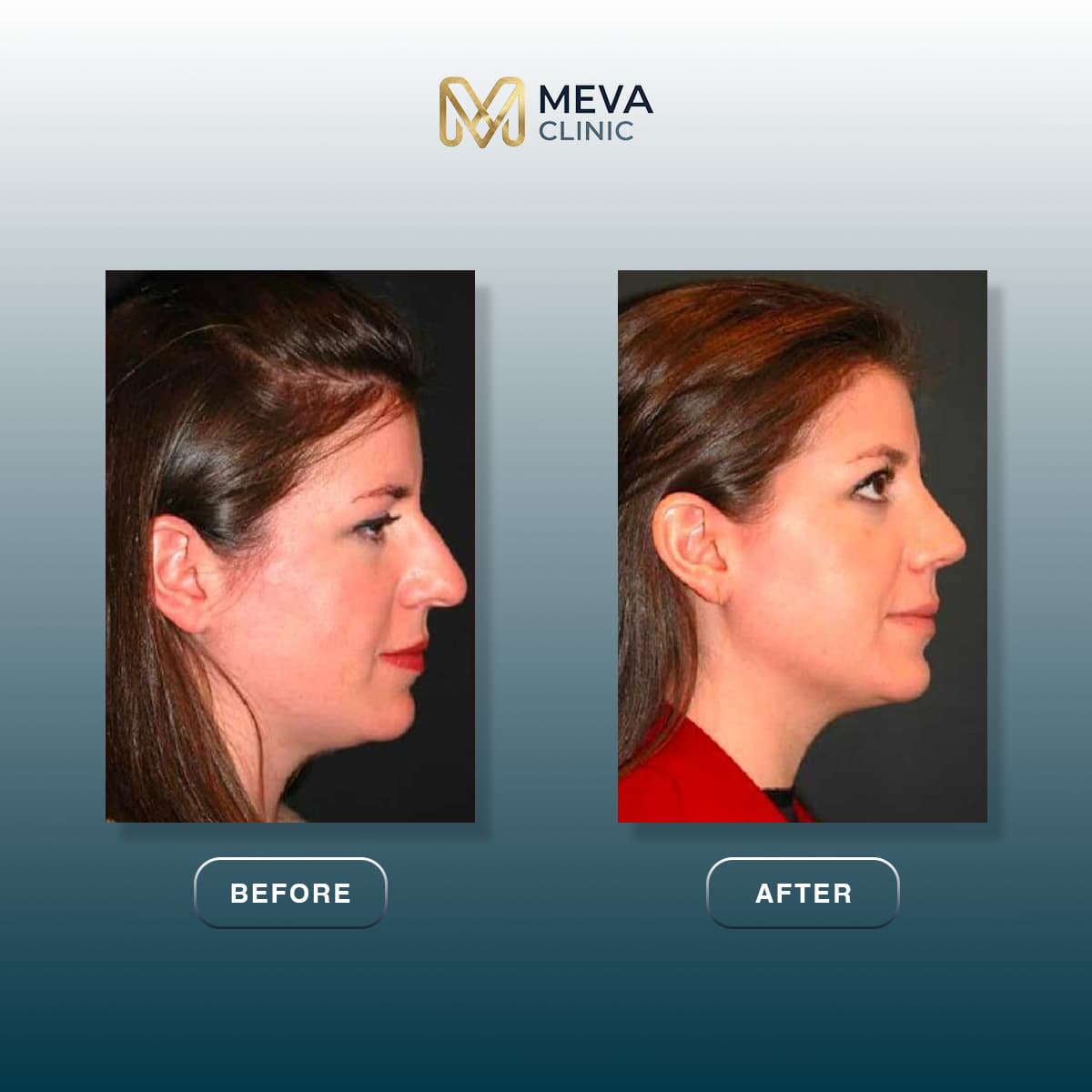
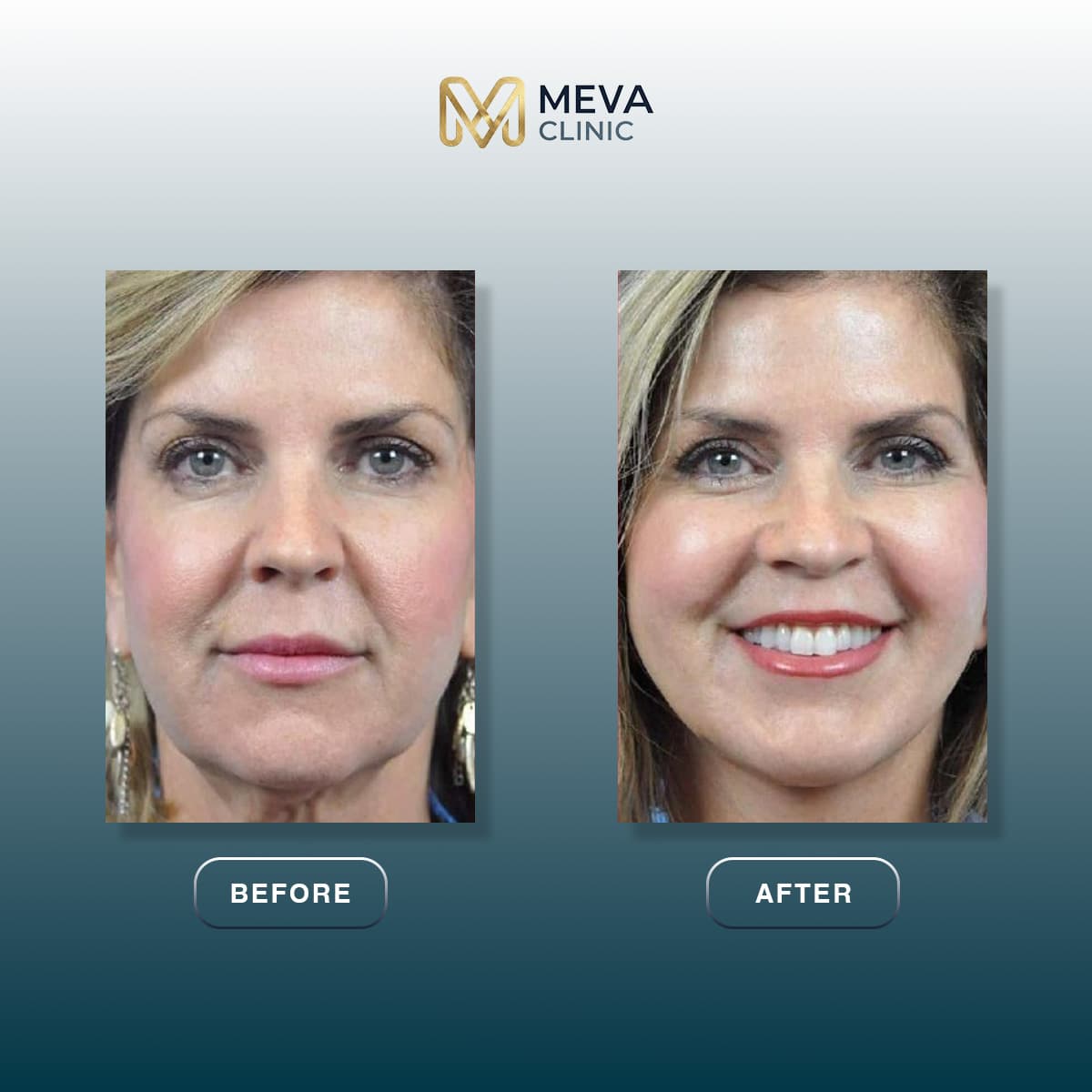
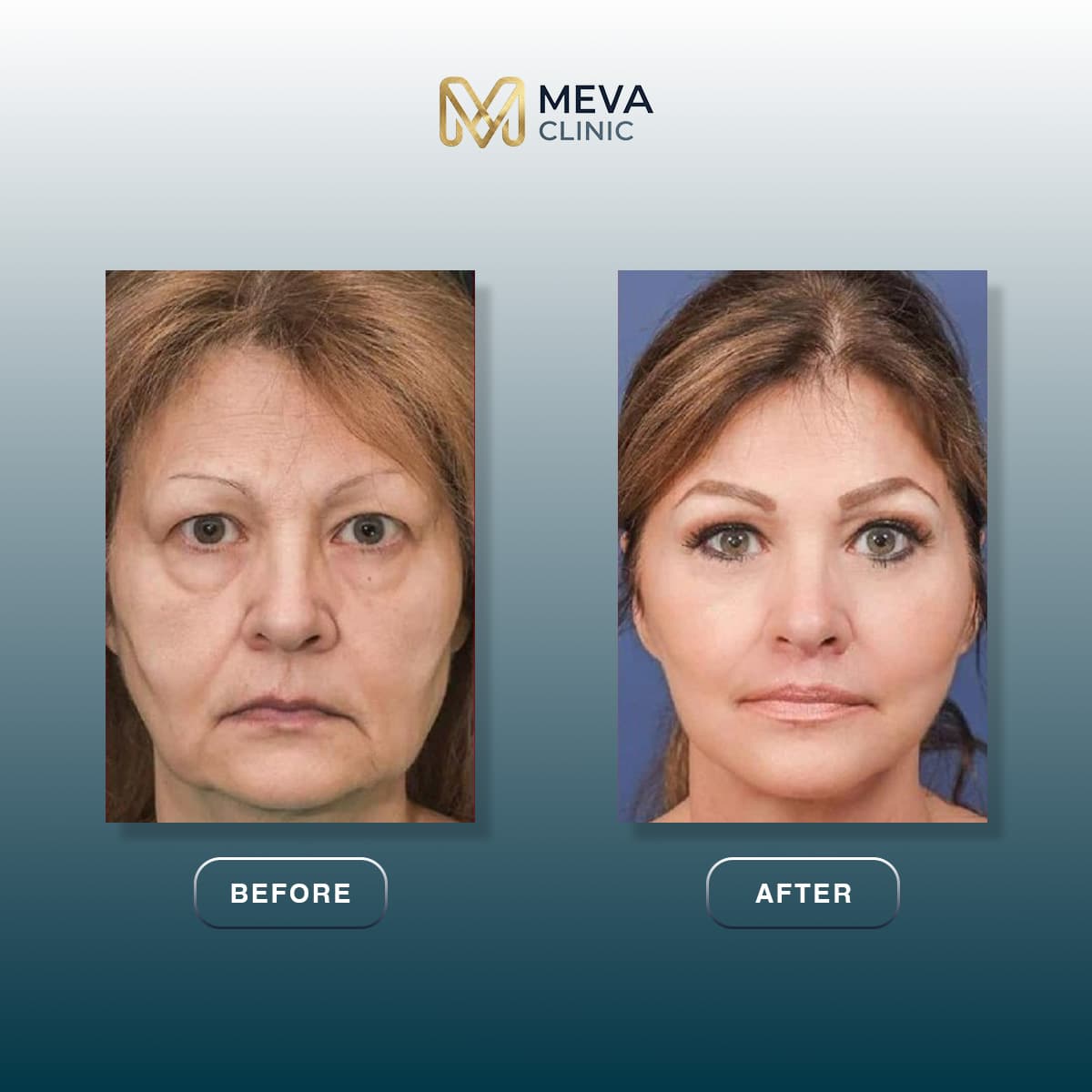
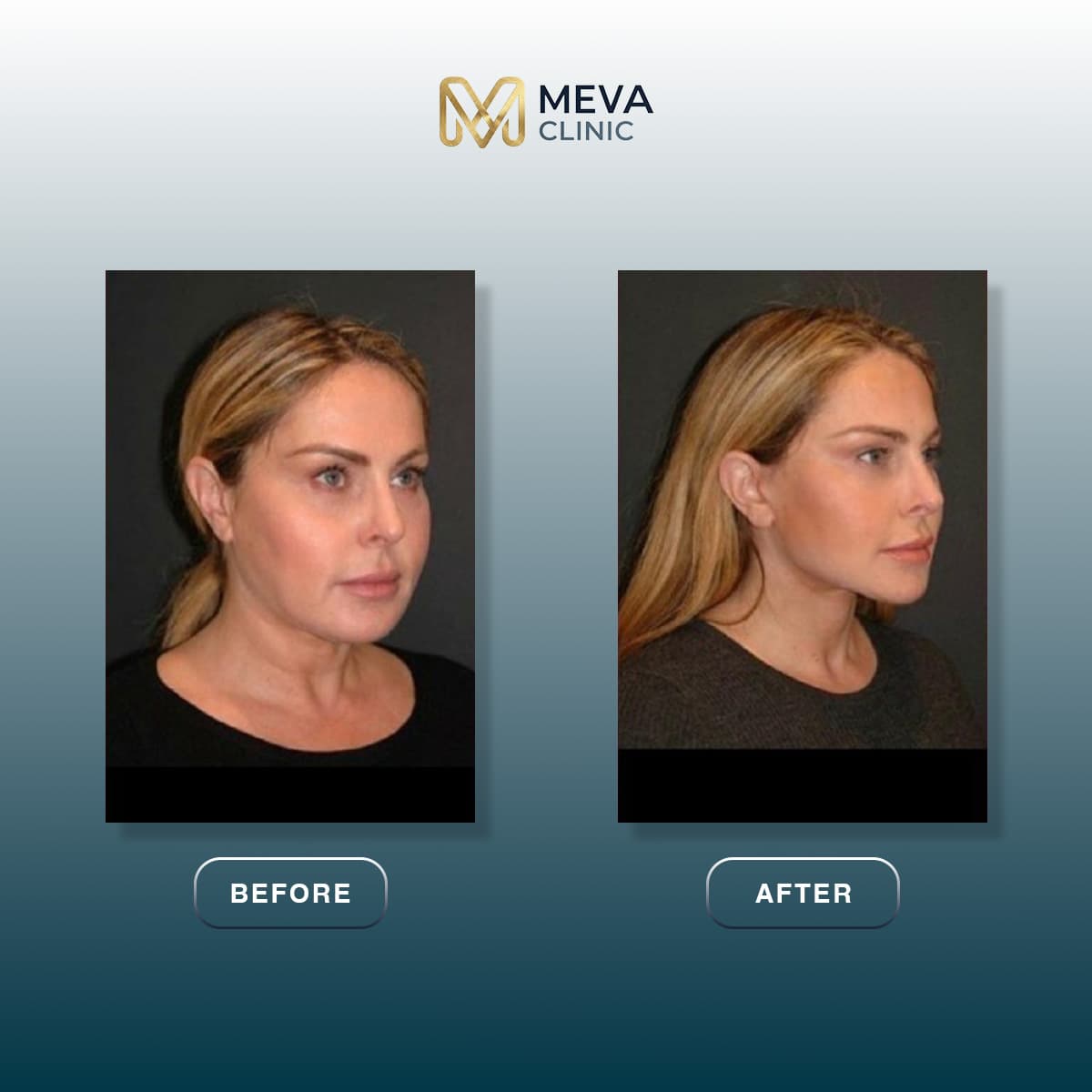
Real results from our patients. Witness the transformational outcomes achieved by our expert medical team.