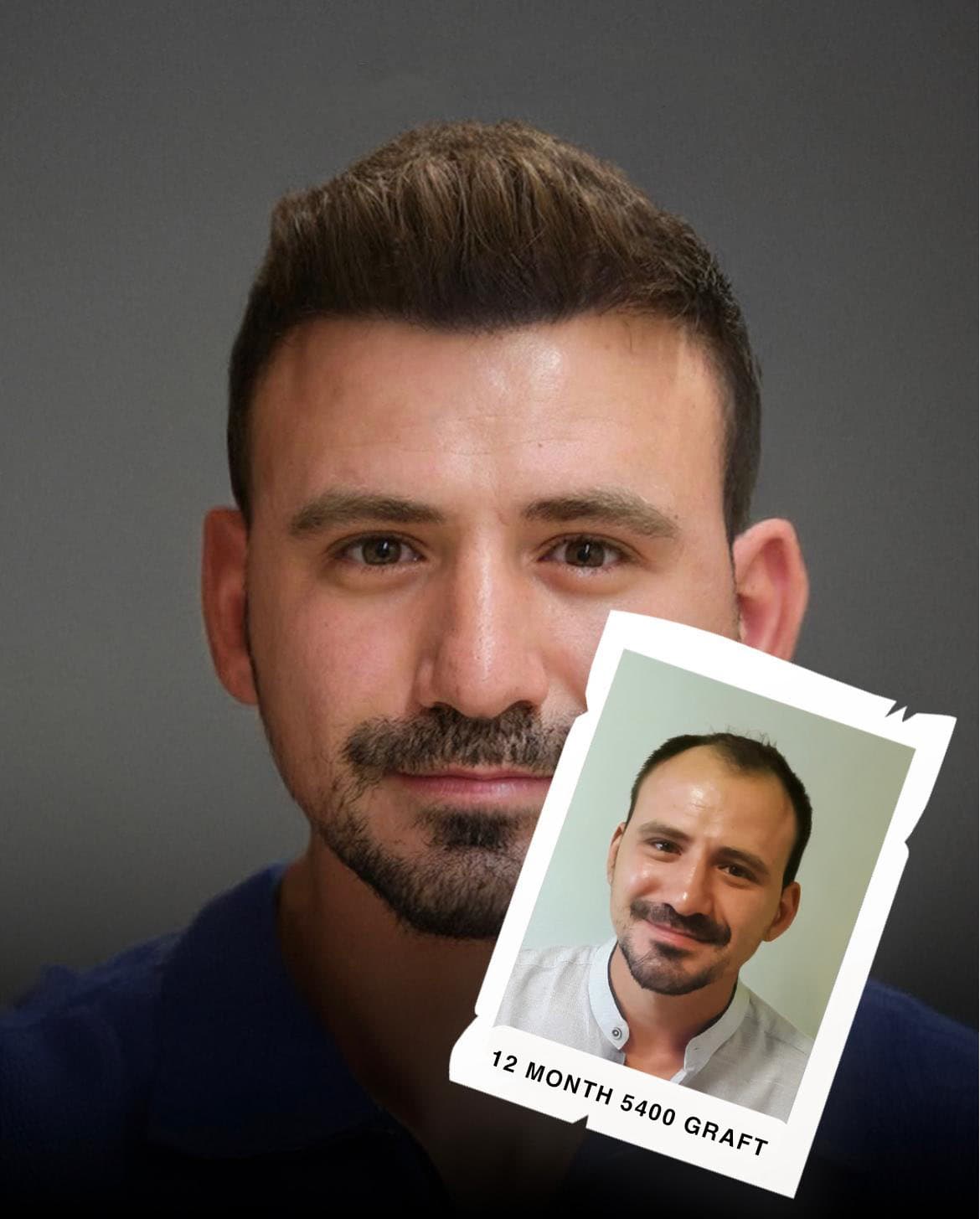
Revisione Medica
Meva Clinic Hair Restoration Care Team
DHI (Impianto Diretto dei Capelli)
Opzione senza rasatura disponibile. Impianto ad alta densità utilizzando la penna Choi specializzata per una guarigione più rapida.
Meva Clinic Hair Restoration Care Team
Informazioni sull'Assistenza al Paziente
Clinical Governance & Trichology Safety Standards
"DHI hair transplantation combines individual donor-graft harvesting through Follicular Unit Excision with implanter-assisted placement in the recipient area. At Meva Clinic, the placement workflow is integrated with donor assessment, individualized hairline design and graft-allocation priorities to support natural-looking coverage, donor-aware planning and long-term visual balance."
Questa pagina è stata esaminata nell'ambito del percorso di revisione medica specialistica di Meva Clinic. L'idoneità finale al tratamento, l'assegnazione del medico operatore, la pianificazione chirurgica e le decisioni mediche sono confermate solo dopo la revisione dell'anamnesi, la consultazione di persona, i test diagnostici, la valutazione dell'anestesia e la disponibilità del medico.
Informazioni su questa procedura
Perché scegliere Meva Clinic?
Opzione senza rasatura disponibile. Impianto ad alta densità utilizzando la penna Choi specializzata per una guarigione più rapida.
La disciplina del restauro dei capelli presso la Meva Clinic ridefinisce l'estetica della linea dei capelli naturale utilizzando innovazioni di micro-trapianto premium a basso trauma. Utilizzando lame di zaffiro di precisione per incisioni micro-canale a forma di V e metodologie di impianto d'élite DHI Choi Pen, i nostri team clinici specializzati garantiscono una forte ritenzione dei trapianti attraverso un'attenta manipolazione e cure post-operatorie. Progettati per affrontare alopecia avanzata e diradamento senza compromettere l'area donatrice, tutti gli interventi di trapianto di capelli prevedono anestesia locale orientata al comfort del paziente, mappatura delle unità follicolari assistita da computer, un kit di assistenza medica premium post-operatoria e un supporto di follow-up a lungo termine.
Informazioni sull'Assistenza al Paziente
Team di assistenza per il trapianto di capelli Meva Clinic
Clinical Governance & Trichology Safety Standards
Standardized Hair Follicle Implantation & Trichology Guidelines
Questa pagina è stata esaminata nell'ambito del percorso di revisione medica specialistica di Meva Clinic. L'idoneità finale al tratamento, l'assegnazione del medico operatore, la pianificazione chirurgica e le decisioni mediche sono confermate solo dopo la revisione dell'anamnesi, la consultazione di persona, i test diagnostici, la valutazione dell'anestesia e la disponibilità del medico.
Questo trattamento fa per me?
Perdita di capelli femminile
Cercatori senza rasatura
Aree specifiche di diradamento
Piano Completo di Cura del Paziente Internazionale
Trasferimento aeroportuale privato secondo il piano di cura confermato
Sistemazione in hotel convenzionato secondo il piano confermato
Supporto dedicato al paziente durante il percorso di cura confermato
Guida e materiali di assistenza post-operatoria secondo il piano di trattamento confermato
Supporto di follow-up secondo le raccomandazioni mediche individuali
La Procedura Clinica
Trasferimento diretto del follicolo senza apertura del canale separata.
1. Donor Assessment and Individualized Hairline Planning
Assess hair-loss pattern, donor capacity, facial proportions, recipient coverage priorities and long-term appearance. Confirm the planned hairline and graft distribution before treatment.
2. Follicular Unit Excision
Harvest follicular units individually from a clinically appropriate donor area using suitable micro-punch instrumentation. Implanter pens are used later for graft placement, not donor harvesting.
3. Graft Preparation and Implanter Loading
Inspect and organize extracted follicular units according to the treatment plan. Load grafts carefully into the selected implanter system to maintain follicle viability.
4. Recipient-Site and Placement Planning
Confirm the intended angle, direction, spacing and distribution for the hairline and treated areas. The exact site-creation workflow depends on the clinical protocol.
5. Implanter-Assisted Graft Placement
Place grafts using implanter pens according to the individualized plan, supporting controlled depth, angle and distribution across the recipient zone.
6. Aftercare and Clinical Follow-Up
Provide the first-wash plan, early-care instructions and structured follow-up pathway, connected directly with Meva Clinic clinical care.
Percorso di Recupero e Trasformazione
Initial healing and gentle scalp washing demonstrated at the clinic; donor and recipient areas protected according to aftercare instructions.
Superficial crusts over recipient sites gradually soften and shed through gentle daily cleansing without force.
Transplanted hair shafts commonly shed as follicles enter a temporary resting phase before new growth begins.
Fine new hair shafts begin to emerge from the recipient scalp and progressively gain calibre over time.
Noticeable improvement in coverage and hair calibre develops across the treated areas.
Overall hair calibre, coverage and visual density are assessed through Meva Clinic's structured clinical follow-up as maturation continues.
Il Vantaggio Meva
Meno traumi al cuoio capelluto e maggiore densità.
Linee guida mediche e protocolli di sicurezza
Treatment pathways are coordinated with selected specialist medical partners and accredited provider institutions, depending on the procedure and doctor assessment. Di seguito sono riportate le linee guida cliniche, i protocolli di sicurezza e la documentazione medica di riferimento per questa procedura.
Indicazioni ed idoneità
- Candidates for DHI hair transplant in Turkey with a stable hair loss pattern and realistic expectations of density.
- Patients with an adequate donor area (occipital and temporal regions) verified during our detailed donor area assessment.
- International hair transplant patients comparing DHI hair transplant in Istanbul with other advanced micro-grafting techniques.
- Adults who require a direct hair implantation approach for natural hairline planning or target area density enhancement.
- Individuals who are medically suitable for local anesthesia and committed to post-operative care and hair transplant travel planning.
Controindicazioni e situazioni non idonee
- Diffuse Unpatterned Alopecia (DUPA) or unstable donor areas where healthy follicles are insufficient for graft extraction.
- Active scalp disorders such as untreated psoriasis, severe seborrheic dermatitis, or lichen planopilaris.
- Severe, uncontrolled metabolic conditions, active coagulation disorders, or medical instability under local anesthesia.
- Extremely weak donor area where graft extraction would cause donor area thinning or overharvesting.
- Heavy smoking or history of non-compliance with post-operative hygiene, washing, or clinical guidance.
Valutazione pre-operatoria e controlli diagnostici
Pre-Arrival Photo & Document Review: Remote donor assessment and preliminary hair restoration planning for international patients.
Trichoscopic Scalp Evaluation: Microscopic mapping of follicular unit density, caliber, and graft extraction capacity.
Hairline Design Istanbul Consultation: Collaborative hairline planning taking into account facial symmetry and age-appropriate design.
Standard Laboratory Profile: Coagulation tests (PT/INR), blood counts, and infectious disease screenings.
Medical Clearance Check: In-person evaluation of scalp condition, cardiovascular readiness, and anesthesia suitability.
Potenziali rischi e complicazioni
In compliance with transparent clinical reporting, Meva Clinic ensures patients are fully informed of the physiological risks associated with surgical procedures through accredited partner-hospital safety protocols where clinically appropriate.
Normal shedding of native or transplanted hair shafts post-procedure, resolving within 3-4 months.
Mild forehead or facial edema, managed with rest, head elevation, and cold compression.
Minor hair follicle irritation in recipient areas, treated with antiseptic solutions or topical antibiotics.
Potential overharvesting of the occipital region, mitigated by strict adherence to donor area limits.
Variation in graft retention caused by scalp circulation, compliance, or individual tissue response.
Minor irregularities requiring a secondary density enhancement session in selected cases.
Aspettative realistiche e risultati
Based on Meva Clinic's internal clinical follow-up, graft growth has been observed to approach 99% in clinically suitable patients who follow the recommended aftercare pathway. The observation reflects the complete clinical pathway—including donor assessment, graft handling, placement and aftercare—rather than an outcome guaranteed by the implanter technique alone.
Politica di revisione e monitoraggio
Meva Clinic Lifetime Graft Growth Assurance: Meva Clinic evaluates graft growth after the full maturation period (12–18 months). If clinically meaningful insufficient growth is confirmed, an eligible patient may receive a complimentary corrective procedure, subject to donor availability, clinical suitability, safety and adherence to the recommended aftercare pathway. Travel, accommodation and personal expenses are not included unless separately confirmed in writing.
Riferimenti medici autorevoli e studi clinici
- [1]International Society of Hair Restoration Surgery (ISHRS): Core Curriculum Guidelines on Follicular Unit Extraction and Implanter Pen Usage.Vedi fonte
- [2]Journal of Cutaneous and Aesthetic Surgery: 'Direct Hair Transplantation: A Modified Follicular Unit Extraction Technique' (2013).Vedi studio
- [3]American Academy of Dermatology (AAD): Clinical Guidelines on the Diagnosis and Management of Androgenetic Alopecia.Vedi fonte
Disclaimer medico: The hair restoration information on this page is for educational purposes only. Final suitability, hairline design, and graft estimates are determined exclusively after face-to-face donor area assessment and medical evaluation.
Domande Frequenti
Trattamenti correlati
Tecnica Mista Meva (Zaffiro + DHI)
Una tecnica ibrida di ripristino dei capelli che combina Sapphire FUE per l'attaccatura dei capelli e DHI per la pianificazione della densità.
Trapianto di Capelli Sapphire FUE
Creazione di canali nel sito ricevente mediante lame con punta di zaffiro durante le procedure FUE.
Trapianto di Capelli DHI vs FUE
Valutazione clinica comparativa tra i flussi di lavoro DHI (Direct Hair Implantation) e FUE (Follicular Unit Excision) per guidare una pianificazione personalizzata.
Trapianto di Capelli Senza Rasatura
Un'opzione specializzata di trapianto di capelli per pazienti idonei che desiderano mantenere la lunghezza e l'aspetto abituale dei propri capelli. La procedura viene pianificata in base alla capacità dell'area donatrice, al modello di caduta e agli obiettivi realistici di copertura, nell'ambito del modello di cura di Meva Clinic coordinato dal medico.
Approfondimenti medici e blog
L'Evoluzione del Sapphire FUE: Principi Chirurgici, Sicurezza Donatrice e Risultati
Approfondimento medico sull'impiego delle lame in zaffiro nella tecnica FUE, la tutela della zona donatrice e il confronto clinico con il metodo DHI.
Decorso e Recupero Post Trapianto Capelli: Fasi Biologiche, Shock Loss e Cure
Guida clinica sulla cura del cuoio capelluto, caduta delle crosticine, shock loss fisiologico e maturazione dei fusti piliferi secondo standard AAD e ISHRS.
DHI vs Sapphire FUE: Differenze Cliniche, Meccanica d'Innesto e Scelta della Tecnica
Confronto medico obiettivo sull'abbinamento dell'estrazione FUE con implanter Choi (DHI) o microlame in zaffiro (Sapphire FUE).
Dettagli della procedura
Soggiorno in ospedale
Nessuno
Pacchetto Hotel
3 notti
Ritorno al lavoro
3 giorni
Anestesia
Locale
Risultati clinici
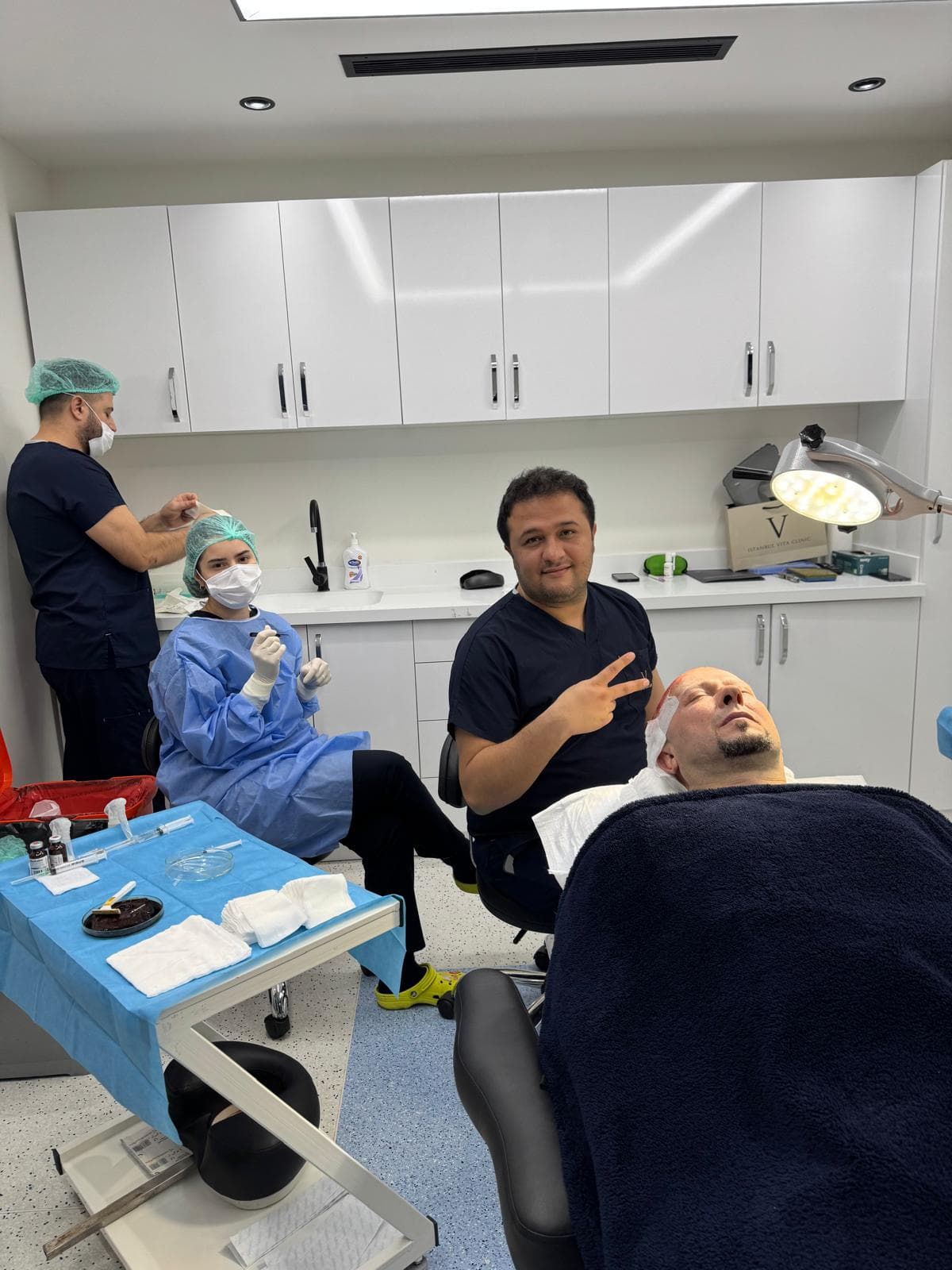
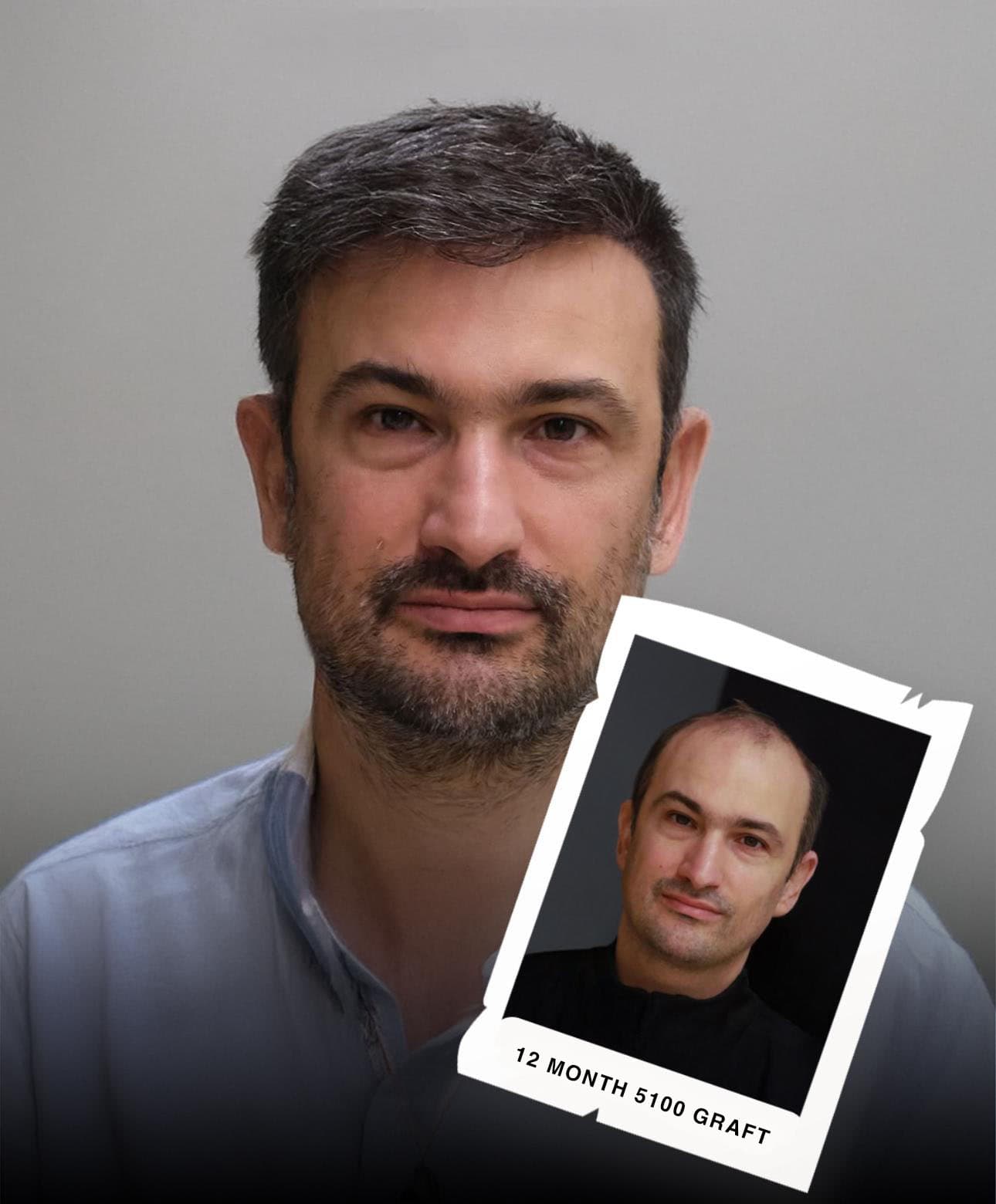
Risultati reali dei nostri pazienti. Scopri le trasformazioni ottenute dal nostro team medico di esperti.
.jpeg&w=3840&q=75)
.jpeg&w=3840&q=75)
.jpeg&w=3840&q=75)
.jpeg&w=3840&q=75)
.jpeg&w=3840&q=75)
.jpeg&w=3840&q=75)
.jpeg&w=3840&q=75)
.jpeg&w=3840&q=75)
.jpeg&w=3840&q=75)
.jpeg&w=3840&q=75)
.jpeg&w=3840&q=75)
.jpeg&w=3840&q=75)
.jpeg&w=3840&q=75)
.jpeg&w=3840&q=75)
.jpeg&w=3840&q=75)
.jpeg&w=3840&q=75)
.jpeg&w=3840&q=75)
.jpeg&w=3840&q=75)
.jpeg&w=3840&q=75)